High-capacity refrigerant recovery machines are specialized HVAC tools designed to quickly extract refrigerants from large commercial cooling systems, typically handling volumes exceeding standard residential equipment. These industrial-grade machines enable faster recovery rates, improved regulatory compliance, and reduced downtime during maintenance operations. Refrigerant Recovery Pro provides expert guidance on selecting appropriate equipment for commercial applications, helping HVAC professionals maximize efficiency while meeting environmental standards.
Understanding High-Capacity Recovery Machine Benefits
The primary benefits of high-capacity refrigerant recovery machines include significantly faster recovery times compared to standard models, enabling technicians to complete large-scale projects more efficiently. These machines typically reduce labor costs by minimizing system downtime during maintenance or retrofitting operations. Enhanced recovery rates mean refrigerant recovery machines provide several essential advantages for commercial facilities, including improved environmental compliance and reduced refrigerant losses. Commercial operations particularly benefit from the ability to handle multiple refrigerant types without extensive reconfiguration, streamlining workflow across diverse cooling systems.
How High-Capacity Machines Work in Commercial Settings
High-capacity recovery machines work by creating a pressure differential that draws refrigerant from the cooling system into specialized storage tanks. The process involves connecting the machine to the system’s service ports, then using powerful compressors to extract refrigerant vapor or liquid. These machines incorporate advanced filtration systems that remove contaminants during recovery, ensuring refrigerant quality for potential reuse. Most commercial-grade units feature automatic shut-off mechanisms when recovery is complete, preventing over-extraction and maintaining system integrity. The entire process typically takes significantly less time than standard recovery methods, though exact durations depend on system size and refrigerant volume.
Maximizing Operational Efficiency with Advanced Recovery Equipment
Commercial cooling operations achieve maximum efficiency when using refrigerant recovery machines greatly enhance efficiency through several key features. Multi-refrigerant compatibility eliminates equipment changes between different system types, while high-flow-rate designs minimize recovery time. Variable-speed compressors adapt to different refrigerant pressures and temperatures, maintaining optimal performance across varying conditions. These machines deliver comprehensive performance improvements particularly in large commercial buildings where multiple cooling systems require simultaneous servicing.
Essential Features for Commercial Recovery Applications
When selecting high-capacity recovery equipment, choosing a high-capacity refrigerant recovery machine requires evaluating several critical features. Oil-less compressor designs reduce maintenance requirements and prevent cross-contamination between different refrigerant types. Dual-cylinder configurations enable continuous operation by alternating between cylinders during extended recovery sessions. Built-in scale systems provide real-time weight measurements, ensuring accurate refrigerant tracking for regulatory compliance. Portable designs with heavy-duty wheels facilitate movement between job sites, while robust construction materials withstand demanding commercial environments. Advanced models include digital displays showing pressure readings, temperature data, and recovery progress for enhanced operational control.
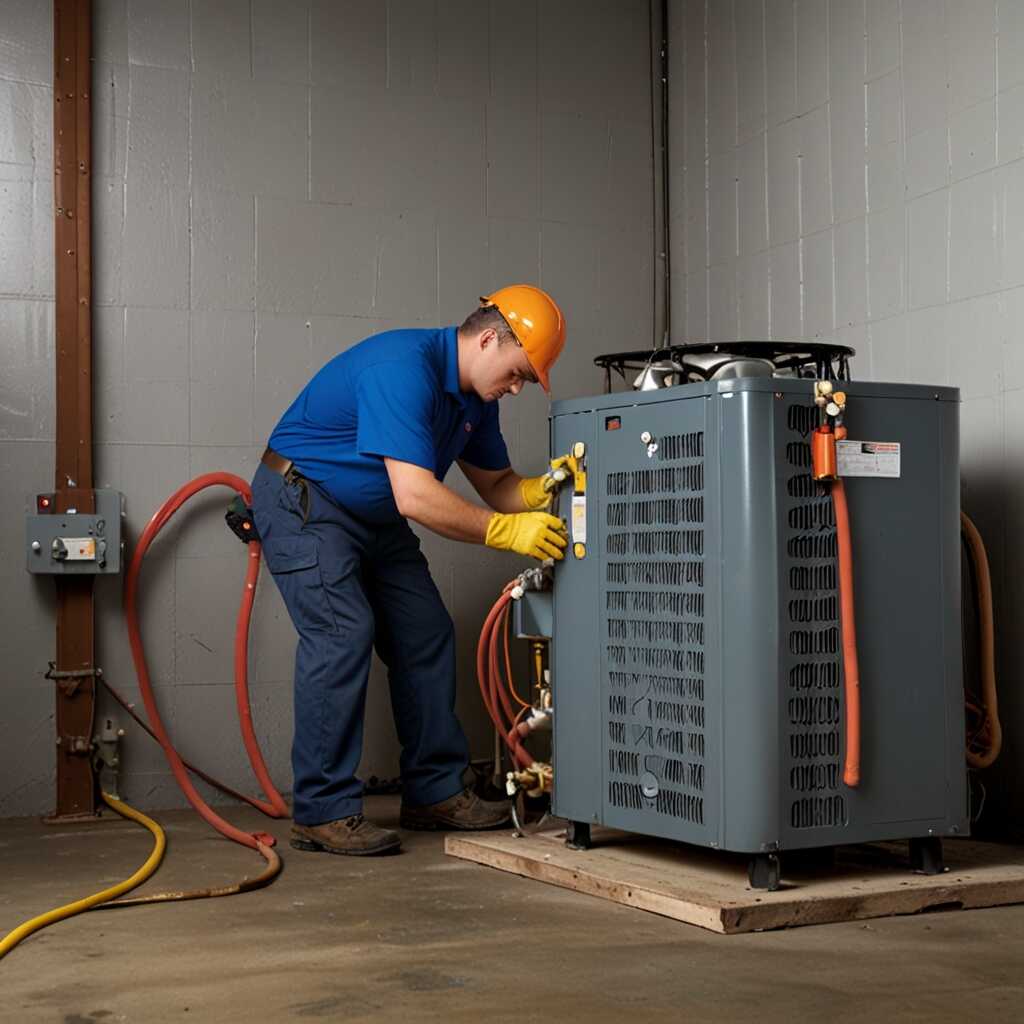
Meeting Regulatory Requirements with Professional Recovery Equipment
EPA regulations mandate specific recovery efficiency levels for commercial refrigerant handling, requiring technicians to recover substantial percentages of system refrigerant before opening equipment for service. High-capacity refrigerant recovery machines enhance compliance by consistently achieving required recovery rates across various refrigerant types and system configurations. Current regulations emphasize proper refrigerant management to minimize environmental impact, with penalties for non-compliance ranging from warnings to significant fines. Commercial operations must maintain detailed records of refrigerant recovery activities, including quantities recovered, equipment used, and technician certifications.
Understanding Current EPA Recovery Standards
The EPA requires different recovery levels depending on equipment type and refrigerant category, with commercial comfort cooling systems typically requiring high recovery percentages. High-capacity refrigerant recovery machines are designed to exceed these minimum standards, providing compliance margins that protect against regulatory violations. Recovery requirements vary based on system age, with newer installations subject to stricter standards. Technicians must use EPA-certified recovery equipment and maintain current certifications to legally perform refrigerant recovery operations. Documentation requirements include recording recovery start and end times, refrigerant types and quantities, and equipment identification numbers.
Key Considerations for Commercial Recovery Operations
- Recovery capacity should match or exceed the largest system in your service area to ensure efficient operations
- Multi-refrigerant compatibility reduces equipment requirements when servicing diverse commercial systems
- Automatic features like pressure monitoring and shut-off valves enhance safety during unattended recovery
- Portable designs with sturdy construction balance mobility needs with durability requirements
- Digital monitoring capabilities provide documentation for regulatory compliance and customer records
- Service accessibility features enable easy maintenance to minimize equipment downtime
- Investment in quality equipment typically provides returns through increased efficiency and reduced labor costs
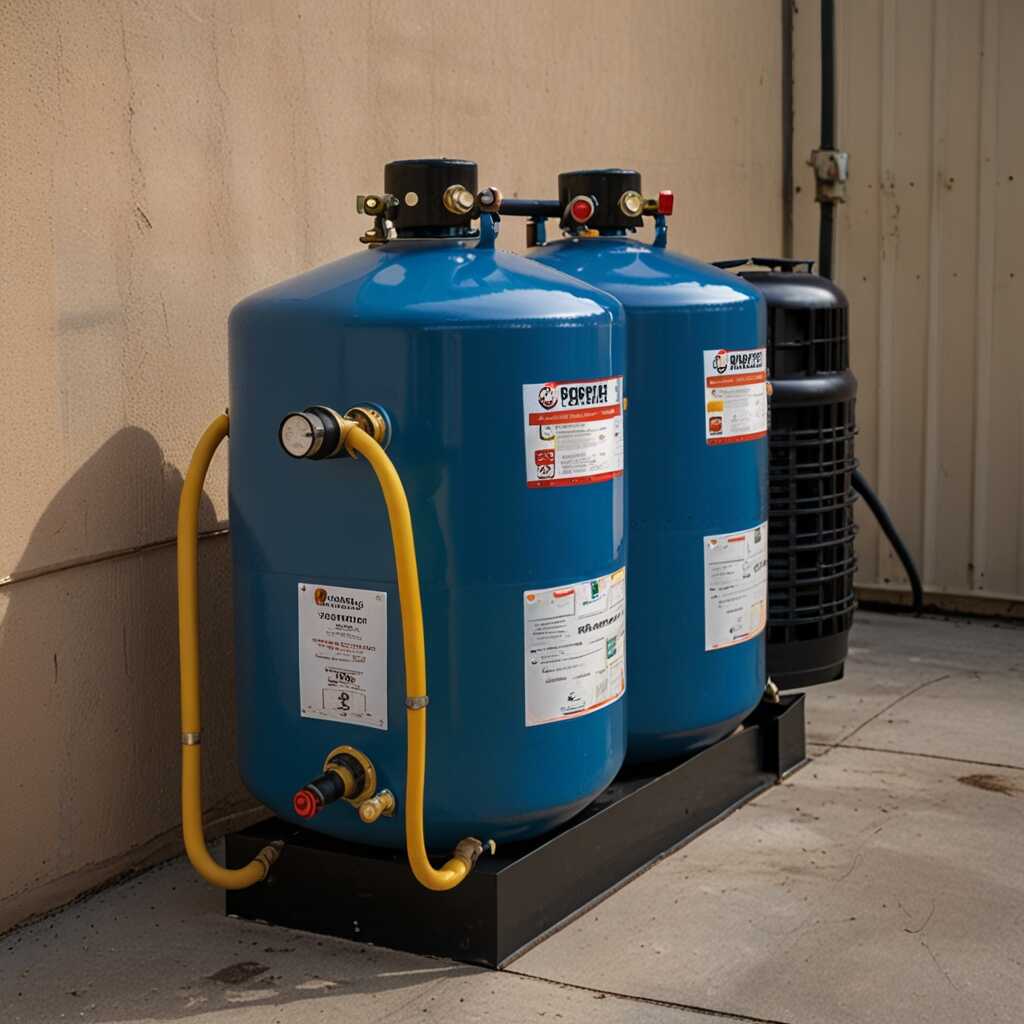
Selecting Appropriate Recovery Equipment for Commercial Applications
Choosing the right high-capacity recovery machine requires evaluating specific operational needs against available features and capabilities. Commercial applications demand equipment that balances recovery speed with reliability, as downtime directly impacts profitability. Key selection criteria include recovery rate specifications, compatible refrigerant types, portability requirements, and durability ratings. Professional-grade machines from established manufacturers typically offer superior performance and longevity compared to budget alternatives, though initial costs require careful consideration against long-term operational benefits.
Evaluating Leading Recovery Equipment Manufacturers
Several manufacturers specialize in commercial-grade refrigerant recovery equipment, each offering distinct advantages for different applications. Industry leaders focus on reliability and performance, with models designed for continuous operation in demanding environments. When comparing brands, consider factors including warranty coverage, parts availability, technical support quality, and user reviews from commercial technicians. Established manufacturers provide comprehensive product information helping buyers make informed decisions based on specific operational requirements. Equipment certifications, testing standards compliance, and manufacturer reputation significantly influence long-term satisfaction and operational reliability.
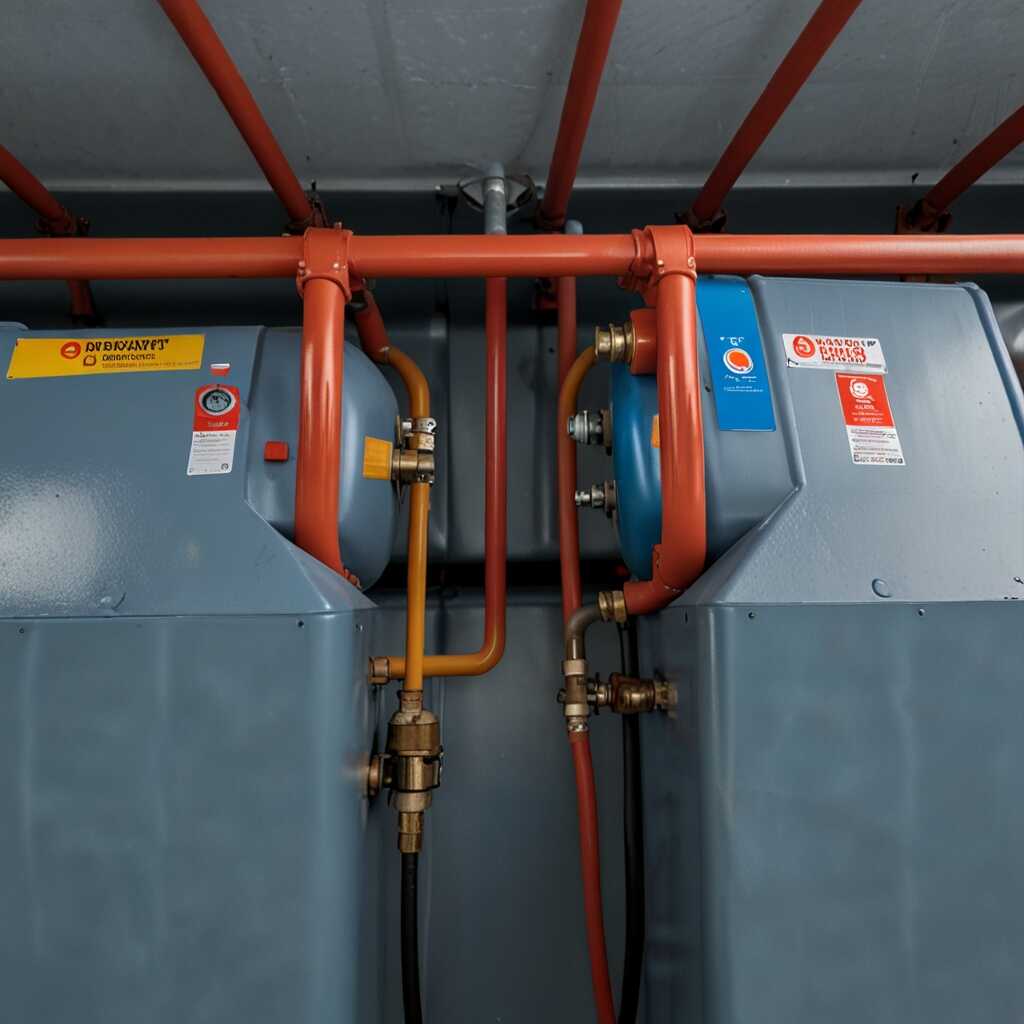
Financial Analysis of High-Capacity Recovery Equipment Investment
Investing in high-capacity refrigerant recovery machines involves analyzing initial equipment costs against operational savings and revenue potential. Purchase prices vary significantly based on features, capacity, and manufacturer, with professional-grade equipment representing substantial capital investments. However, increased recovery speeds translate directly to reduced labor hours per job, enabling technicians to complete more projects daily. Additional financial benefits include reduced refrigerant losses, minimized regulatory compliance risks, and enhanced service capabilities that command premium pricing. Comprehensive cost analysis helps determine optimal equipment investments based on service volume and customer base.
Identifying Cost Reduction Opportunities
Financial incentives for energy-efficient equipment adoption exist through various utility programs and government initiatives, potentially offsetting initial purchase costs. Manufacturer financing options, including lease programs and deferred payment plans, enable equipment acquisition without significant upfront capital requirements. Volume purchasing agreements through industry associations or buying groups provide discounted pricing on professional-grade equipment. Tax advantages, including accelerated depreciation schedules for qualifying equipment, further improve investment economics. Regular equipment maintenance extends operational lifespan, maximizing return on investment through sustained performance and reliability.
Operational Advantages of Professional Recovery Systems
- Faster recovery rates enable technicians to service more systems per day, increasing revenue potential
- Multi-refrigerant compatibility eliminates need for multiple specialized machines, reducing capital requirements
- Reduced refrigerant losses through efficient recovery translate to direct cost savings for customers
- Enhanced reliability minimizes service interruptions and emergency repair costs
- Professional equipment commands higher service rates due to superior results and efficiency
- Automated features reduce labor requirements for routine recovery operations
- Compliance with regulations prevents costly fines and protects business reputation
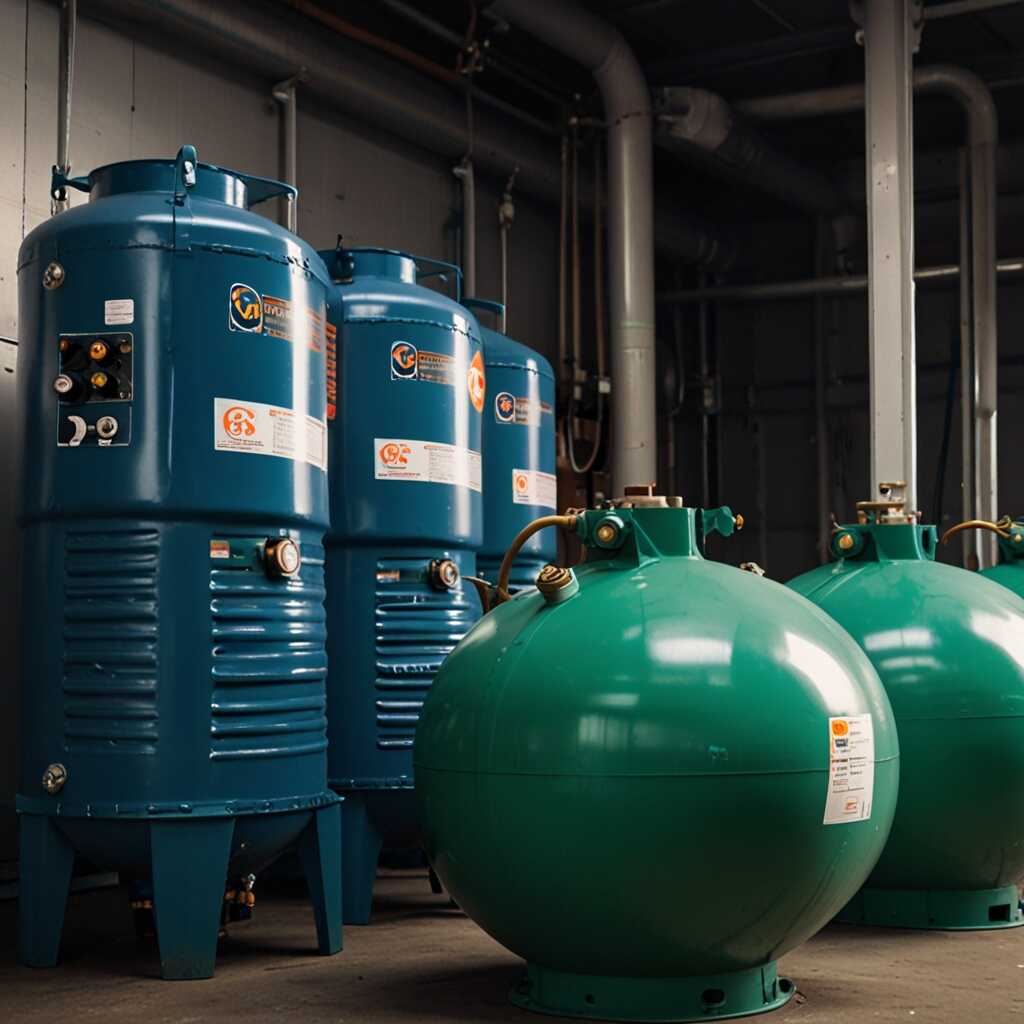
Maintaining Peak Performance in Commercial Recovery Equipment
Regular maintenance ensures high-capacity refrigerant recovery machines enhance their reliability throughout demanding commercial applications. Essential maintenance tasks include filter replacements, oil level checks in applicable models, and seal inspections to prevent refrigerant leaks. Compressor performance testing identifies potential issues before complete failure occurs, minimizing unexpected downtime. Calibration of pressure gauges and scales maintains measurement accuracy for regulatory compliance. Following manufacturer-recommended maintenance schedules, typically involving quarterly inspections and annual comprehensive servicing, maximizes equipment lifespan and performance consistency.
Critical Maintenance Points for Sustained Performance
Key components requiring regular attention include intake filters that prevent contaminant ingestion, potentially damaging internal components. Hose connections need periodic inspection for wear, cracks, or loosening that could cause refrigerant leaks or recovery inefficiency. Electrical components, including motors and control circuits, benefit from thermal imaging inspections identifying potential failure points. Recovery cylinder valves require cleaning and lubrication to maintain smooth operation and prevent sticking during critical recovery operations. Documentation of all maintenance activities provides valuable equipment history for troubleshooting and warranty claims.
Real-World Applications Across Commercial Sectors
High-capacity refrigerant recovery machines are essential tools serving diverse commercial applications from retail refrigeration to industrial process cooling. Supermarket chains utilize these machines during refrigeration system upgrades, minimizing food spoilage risks through rapid refrigerant recovery. Data centers depend on efficient recovery equipment when servicing critical cooling infrastructure, where downtime directly impacts operations. Healthcare facilities require reliable recovery solutions for maintaining temperature-controlled environments essential for medication storage and patient comfort.
Industry-Specific Recovery Requirements and Solutions
Different commercial sectors present unique recovery challenges requiring specialized equipment features and operational approaches. Food service establishments need rapid refrigerant recovery to maintain refrigeration equipment functionality while minimizing business disruption during peak operating hours. Manufacturing facilities often require recovery equipment capable of handling industrial refrigerants and large system volumes. Office buildings benefit from portable recovery solutions enabling efficient servicing of multiple rooftop units. Educational institutions prioritize quiet operation and safety features when servicing cooling systems in occupied buildings. Each sector’s specific requirements influence equipment selection and operational procedures.
Leading Equipment Manufacturers and Market Applications
- Established manufacturers offer specialized models for different commercial applications and refrigerant types
- Portable units excel in multi-site service operations requiring equipment transport between locations
- High-flow models suit large industrial applications with substantial refrigerant volumes
- Dual-refrigerant machines provide versatility for contractors servicing diverse system types
- Compact designs enable access to equipment rooms with space constraints
- Heavy-duty construction suits demanding environments like industrial facilities
- Advanced monitoring features support data-driven maintenance programs in critical applications
Future Developments in Commercial Refrigerant Recovery Technology
Emerging technologies promise enhanced efficiency and capabilities in refrigerant recovery equipment, driven by evolving environmental regulations and operational demands. Smart connectivity features enable remote monitoring of recovery operations, providing real-time data to service managers and customers. Advanced sensor integration improves recovery precision while preventing equipment damage through predictive maintenance alerts. Next-generation machines will likely incorporate artificial intelligence for optimizing recovery parameters based on refrigerant type and system conditions. Environmental considerations drive development of equipment compatible with emerging low-GWP refrigerants requiring specialized handling characteristics.
Anticipated Features in Next-Generation Recovery Equipment
Future refrigerant recovery machines should include enhanced diagnostic capabilities providing detailed operational data for maintenance optimization. Cloud connectivity will enable fleet management for service companies operating multiple recovery units across various job sites. Improved energy efficiency through variable-speed drives and optimized compression cycles will reduce operational costs. Modular designs allowing field upgrades will extend equipment lifespan as regulations and refrigerant types evolve. Advanced ergonomic features will enhance technician safety while reducing fatigue during extended recovery operations. Integration with service management software will streamline documentation and regulatory compliance reporting.