Inlet filters for refrigerant recovery machines are filtration components that trap contaminants before they enter your equipment. The right filter extends machine life by 30% or more, prevents compressor damage, and maintains consistent recovery rates. Key selection criteria include micron rating (5-50 microns), filter material (polyester or fiberglass), and compatibility with your specific refrigerant type.
What Are Refrigerant Recovery Machines and How Do Inlet Filters Help?
Refrigerant recovery machines are specialized HVAC tools that extract refrigerant from cooling systems during service, repair, or disposal. These machines serve essential roles in protecting the environment by preventing refrigerant release. Recovery rates typically range from 5 to 15 pounds per hour, depending on the model and refrigerant type. Professional-grade units cost between $800 and $3,000.
Inlet filters work by creating a barrier that captures particles, moisture, and debris before they reach the compressor. This filtration process involves mechanical separation through mesh or pleated media. The filter media physically blocks contaminants while allowing refrigerant vapor to pass through. Most filters use multiple layers, with outer layers catching large debris and inner layers trapping fine particles down to 5 microns.
Key Benefits of Using Quality Inlet Filters
The primary benefits of proper inlet filters include extended equipment life, reduced maintenance costs, and improved recovery efficiency. Quality filters prevent over 90% of contaminants from entering the system, which reduces wear on internal components. This protection saves HVAC professionals approximately $500-1,500 annually in repair costs. Additional advantages include consistent recovery speeds, fewer service interruptions, and compliance with EPA recovery standards requiring 90% refrigerant capture.
Types of Inlet Filters Available for Recovery Machines
Three main types of inlet filters enhance refrigerant recovery efficiency: mesh filters, pleated filters, and HEPA filters. Mesh filters cost $15-30 and work best for large debris removal in standard applications. Pleated filters ($25-50) offer 3-5 times more surface area, making them ideal for dusty environments. HEPA filters ($40-80) provide the finest filtration for sensitive applications.
Filter selection depends on your specific recovery needs and operating environment. For general HVAC service, pleated filters with 10-25 micron ratings offer the best balance of protection and flow rate. Industrial applications with heavy contamination require 5-micron filters or dual-stage filtration. Mobile service technicians benefit from washable mesh pre-filters that extend primary filter life.
Understanding Micron Ratings and Their Impact
Micron ratings indicate the smallest particle size a filter can capture effectively. A 5-micron filter traps particles as small as red blood cells, while 50-micron filters catch particles visible to the naked eye. Most refrigerant recovery applications perform well with 15-25 micron filters. Finer filtration (5-10 microns) suits contaminated systems but may reduce flow rates by 10-20%.
How to Choose the Right Inlet Filter for Your Recovery Machine
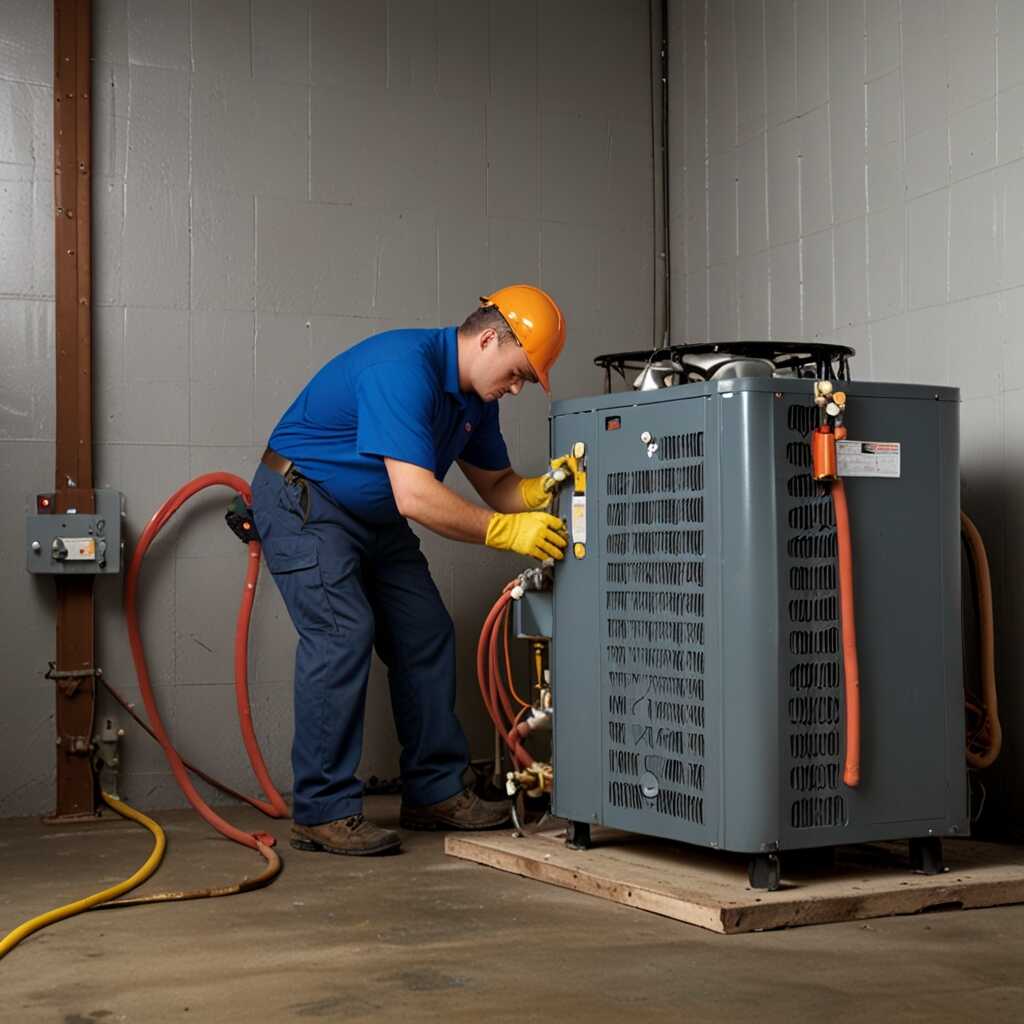
Selecting appropriate inlet filters for refrigerant recovery requires evaluating four key factors: compatibility, size, flow rate, and maintenance requirements. Filter compatibility means matching the filter to your machine’s specifications and the refrigerants you handle. Common refrigerants like R-410A and R-134a work with standard polyester filters, while ammonia systems need specialized materials.
Proper sizing ensures optimal performance without restricting flow. Measure your machine’s inlet diameter and choose filters that match exactly. Undersized filters cause pressure drops that reduce recovery rates by 15-30%. Oversized filters create bypass paths that allow contaminants through. Most recovery machines use 1/4″, 3/8″, or 1/2″ inlet connections.
Maintenance Schedule for Maximum Filter Life
Filter maintenance frequency depends on usage intensity and contamination levels. Light-duty applications (1-2 recoveries weekly) need filter changes every 3-6 months. Heavy commercial use requires monthly inspection and quarterly replacement. Visual indicators of filter replacement include discoloration, visible debris accumulation, or recovery times increasing by more than 20%.
Cost Analysis of Different Filter Options
- Basic mesh filters: $15-30 each, last 3-6 months, suitable for clean systems
- Pleated filters: $25-50 each, last 6-12 months, ideal for standard recovery applications
- HEPA filters: $40-80 each, last 12-18 months, required for contaminated systems
- Washable filters: $50-100 initial cost, last 2-3 years with proper cleaning
- Filter cleaning supplies: $20-40 annually for compressed air and solvents
- Labor savings: Proper filters reduce service calls by 50%, saving $1,000+ yearly
- Bulk purchasing: Buying 12+ filters typically provides 15-20% discount
How Inlet Filters Improve Recovery Machine Performance
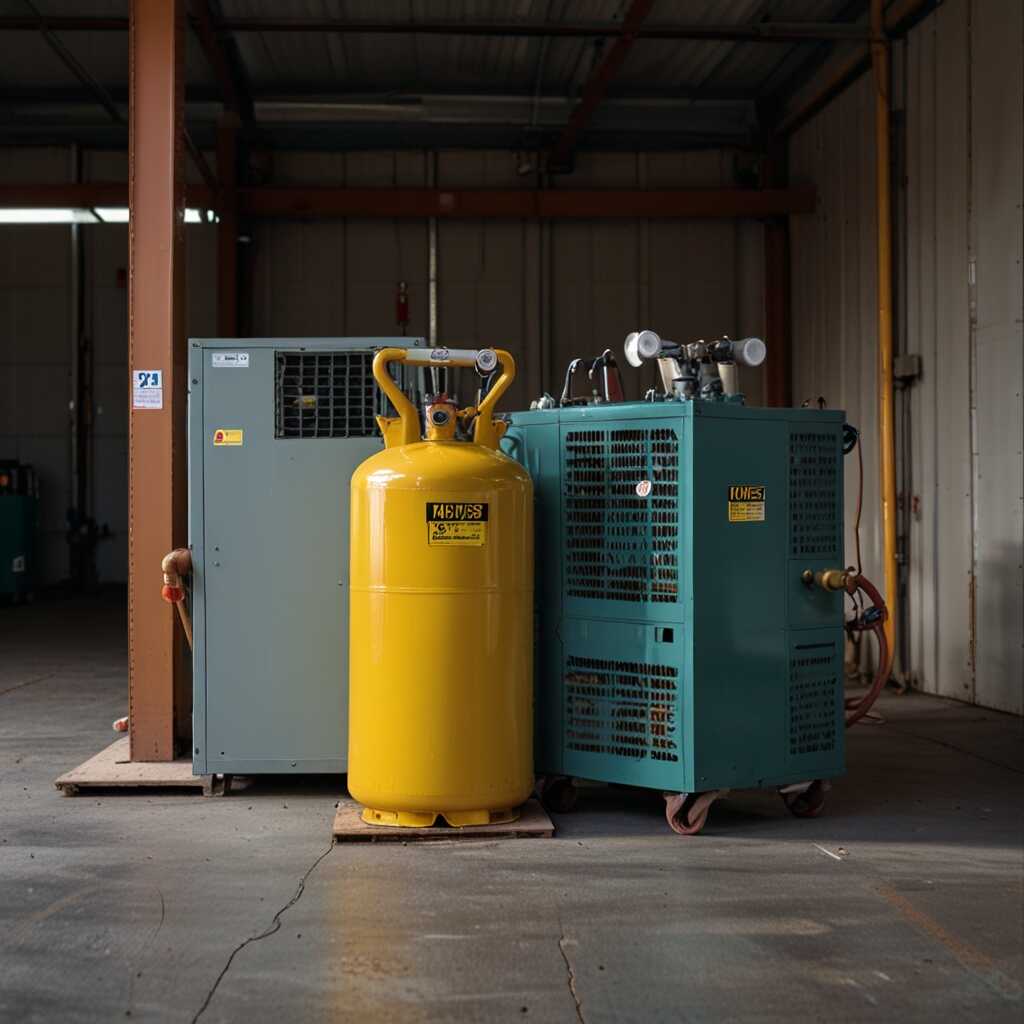
Inlet filters directly impact refrigerant recovery machine efficiency by maintaining consistent flow rates and protecting internal components. Clean filters enable machines to maintain rated recovery speeds, typically 8-12 pounds per hour for standard units. Clogged filters reduce flow rates by 20-40%, extending job times and increasing labor costs.
Performance improvements from quality filtration include faster recovery cycles, reduced compressor strain, and consistent vacuum levels. Machines with proper filtration complete typical residential system recoveries in 15-30 minutes, compared to 45-60 minutes with poor filtration. This efficiency gain translates to 2-3 additional service calls per day for busy technicians.
Common Filter-Related Performance Issues
Warning signs of filter problems include extended recovery times, unusual compressor sounds, and inconsistent gauge readings. A 30% increase in recovery time often indicates filter replacement is needed. Compressor overheating, typically occurring when discharge temperatures exceed 250°F, frequently results from restricted inlet flow. Regular filter maintenance prevents these issues and maintains optimal performance.
Best Practices for Inlet Filter Maintenance and Replacement
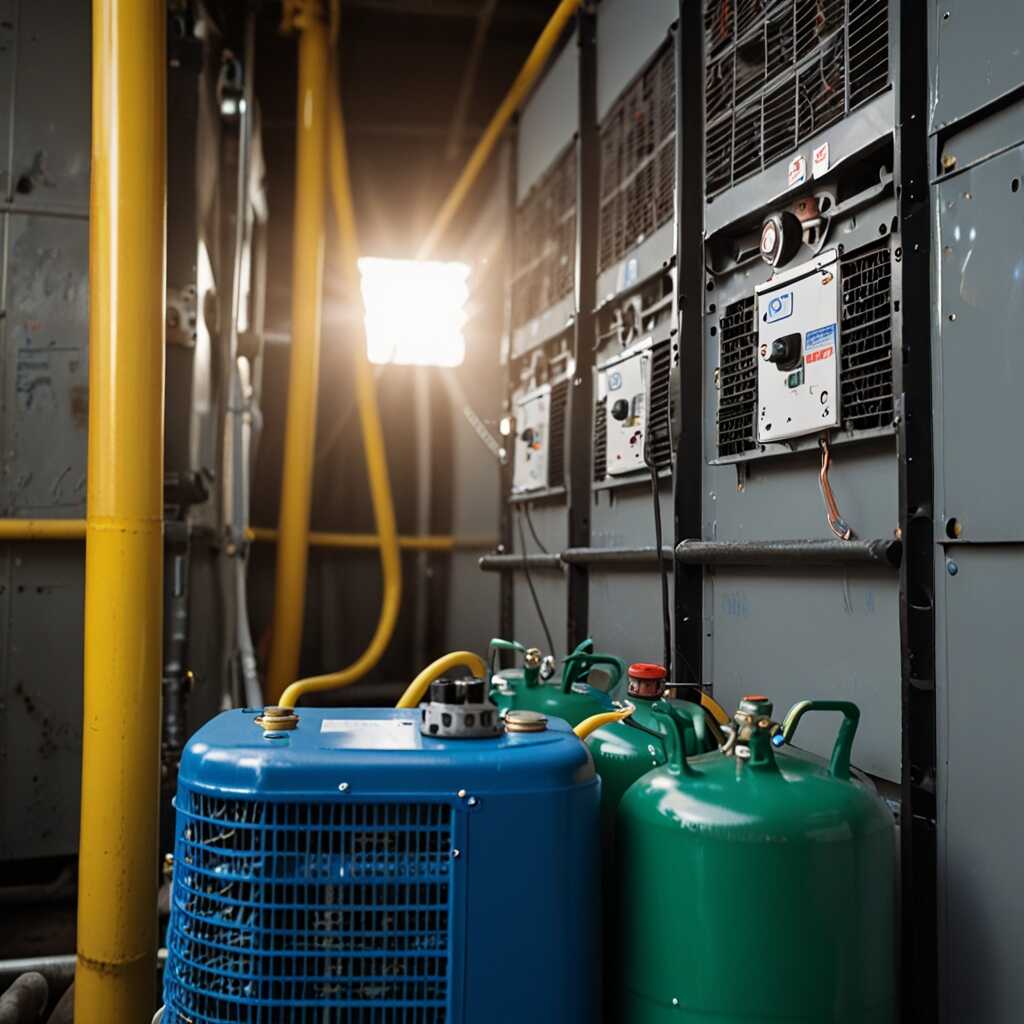
Effective filter maintenance for refrigerant recovery machines involves regular inspection, cleaning, and timely replacement. Weekly visual inspections help identify contamination before it impacts performance. Look for discoloration, oil residue, or visible debris accumulation. Document inspection dates and findings to establish replacement patterns for your specific usage.
Cleaning reusable filters extends their service life by 50-100%. Use compressed air at 30-40 PSI to blow debris outward from the clean side. For stubborn contamination, soak filters in approved solvents for 10-15 minutes, then rinse with clean refrigerant oil. Allow complete drying before reinstallation to prevent moisture introduction.
Creating an Effective Filter Management System
Professional technicians benefit from implementing a systematic filter management approach. Stock 3-6 replacement filters per machine to ensure availability. Label filters with installation dates and machine assignments. Track filter costs and replacement intervals to optimize maintenance budgets. This system typically reduces equipment downtime by 60-80%.
Recommended Filter Brands and Their Features
- Sporlan filters: Industry standard, widely available, $20-40 range, excellent particle retention
- Parker Hannifin: Premium quality, extended life design, $30-60, superior flow characteristics
- Emerson Climate: OEM quality, machine-specific options, $25-50, reliable performance
- DiversiTech: Budget-friendly, good for light use, $15-30, adequate protection
- Henry Technologies: Commercial grade, high flow rates, $35-70, minimal pressure drop
- Danfoss: European quality, precise tolerances, $40-80, excellent contamination control
- Generic alternatives: Mixed quality, $10-25, suitable for non-critical applications
EPA Compliance Requirements for Recovery Equipment Filtration
EPA regulations require refrigerant recovery machines to achieve specific recovery levels based on system type and refrigerant. Standard requirements mandate recovering 80-90% of system refrigerant, depending on the application. Proper inlet filtration helps maintain these recovery rates by preventing efficiency losses from contamination.
Compliance testing procedures evaluate recovery machine performance under standard conditions. Machines must demonstrate consistent recovery rates over multiple cycles. Filter condition directly impacts test results, with dirty filters causing failures in 15-20% of cases. Regular filter maintenance ensures machines pass periodic certification requirements.
Documentation Requirements for Filter Maintenance
EPA guidelines recommend maintaining filter service records as part of equipment documentation. Record filter changes, cleaning dates, and performance observations. This documentation proves proper maintenance during inspections and supports warranty claims. Digital maintenance logs simplify record-keeping and provide performance trending data.
Future Developments in Recovery Machine Filtration Technology
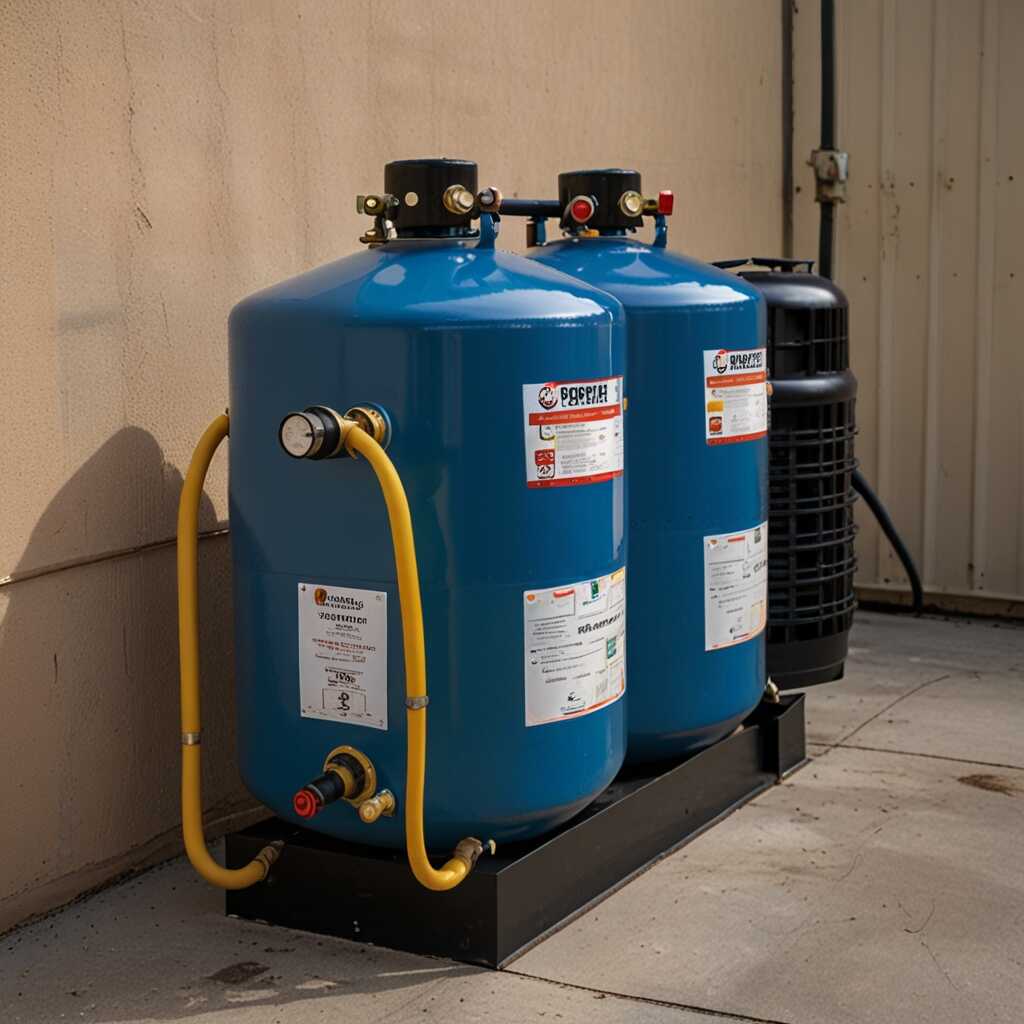
Emerging filtration technologies for refrigerant recovery include smart filters with contamination sensors, self-cleaning mechanisms, and enhanced media materials. Smart filters feature built-in pressure sensors that alert technicians when replacement is needed. These systems reduce unexpected failures by 70-80% compared to traditional visual inspection methods.
Next-generation filter materials offer improved contamination resistance and longer service life. Nanofiber technology provides 5x more surface area than traditional pleated filters while maintaining flow rates. Antimicrobial coatings prevent biological growth in moisture-prone environments. These advances promise filter life extensions of 50-100% within the next 2-3 years.
Preparing for Industry Changes
HVAC professionals should monitor developments in filtration technology and recovery equipment design. Manufacturers are integrating advanced filtration monitoring systems into new recovery machines. Training on these systems ensures technicians maximize equipment investments. Industry associations offer courses on emerging technologies, helping professionals stay current with best practices.
Cost considerations for new technology adoption include initial equipment premiums of 20-30% over traditional systems. However, reduced maintenance requirements and extended equipment life typically provide payback within 18-24 months. Early adopters of smart filtration report maintenance cost reductions of 40-60% and equipment life extensions of 2-3 years.