What Are Refrigerant Recovery Machines with Internal Storage?
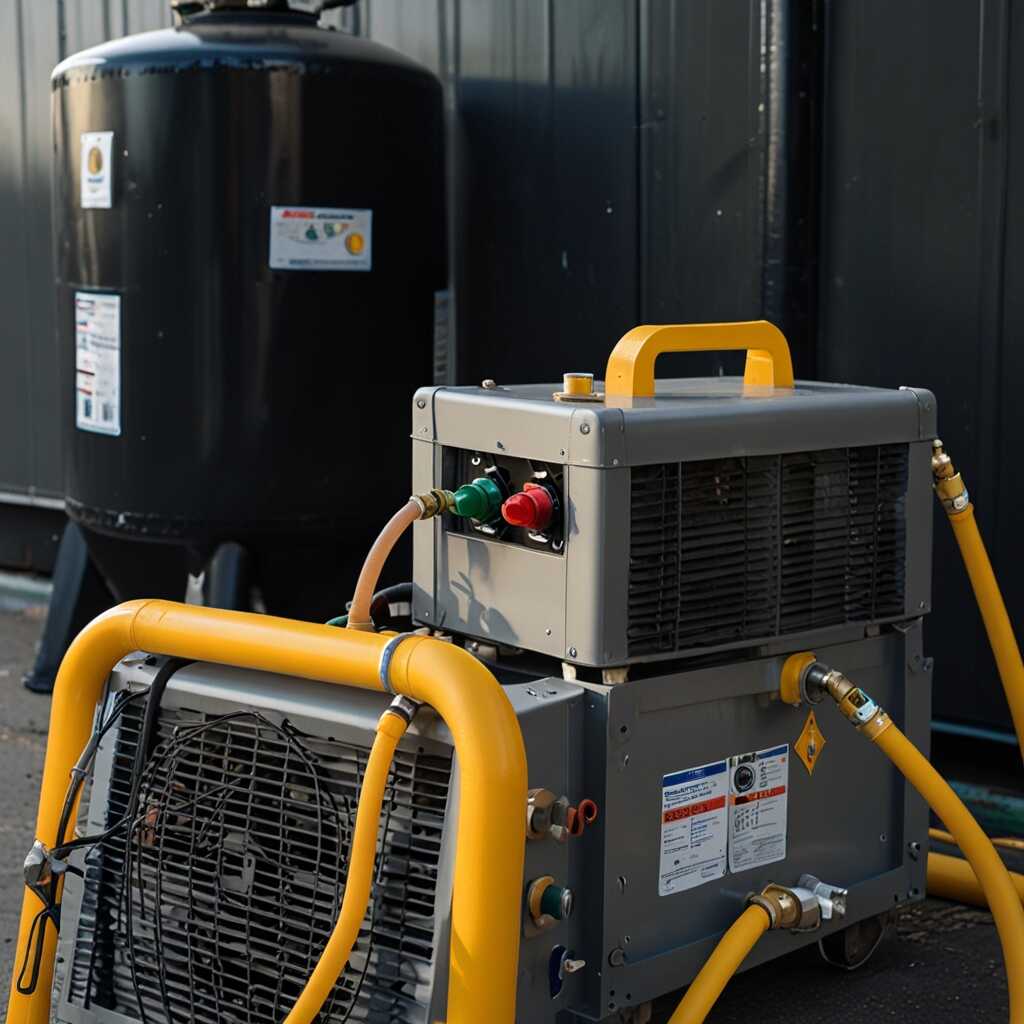
Refrigerant recovery machines with internal storage are specialized HVAC service tools that capture and store refrigerants directly within the unit during repairs. These machines combine recovery functionality with built-in storage tanks, typically holding 20-50 pounds of refrigerant, eliminating the need for separate external cylinders. For example, the Appion G5Twin and CPS TRS21 feature integrated storage that streamlines small repair jobs by reducing equipment setup time and improving workspace organization.
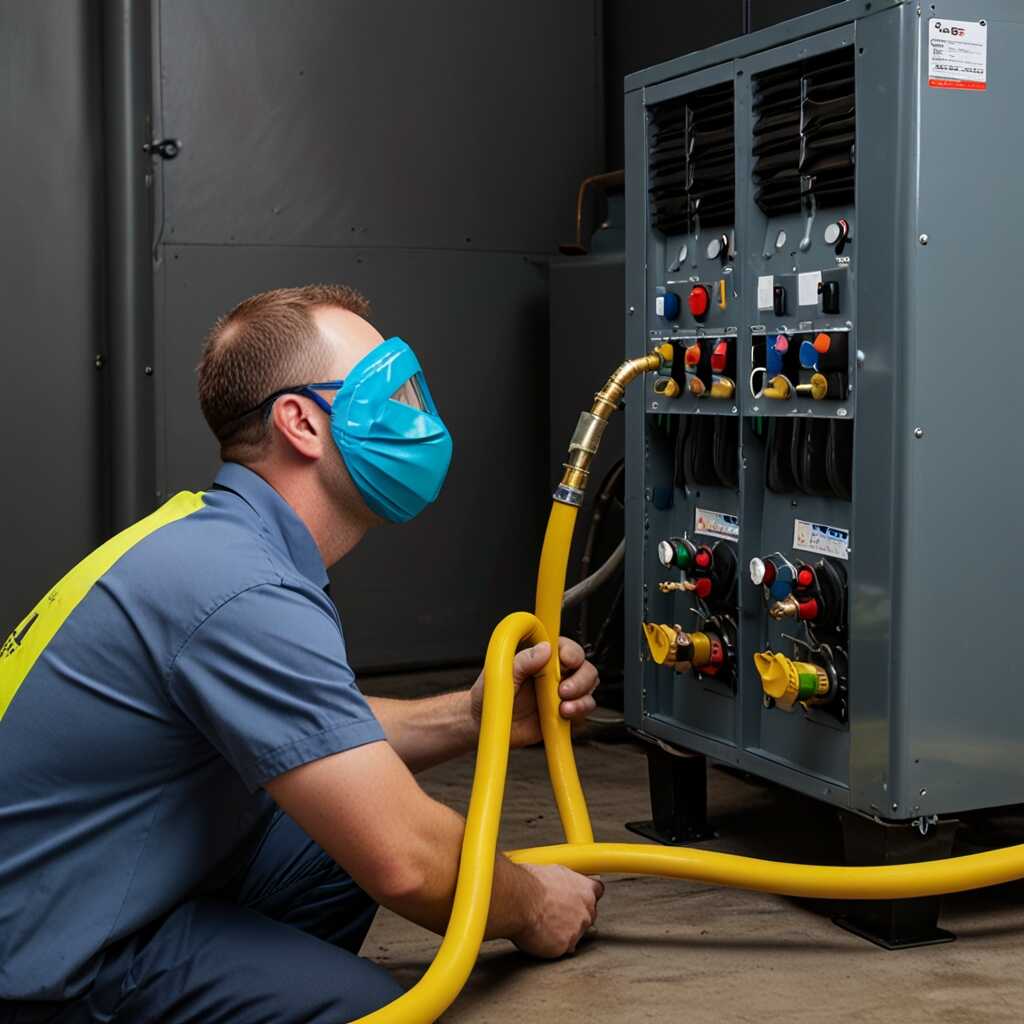
These recovery units work by creating a pressure differential that draws refrigerant from HVAC systems into their internal storage chambers. The process involves connecting service hoses to the system’s access ports, activating the recovery pump, and allowing the machine to transfer refrigerant from the serviced unit into its built-in tank. Most models include automatic shut-off features that prevent overfilling and maintain safe operating pressures throughout the recovery process.
Essential Features and Key Components
Modern refrigerant recovery machines with internal storage incorporate several critical features that enhance their functionality for small repair jobs. The most important components include high-efficiency compressors that achieve recovery rates between 0.25 to 0.75 pounds per minute, insulated storage tanks ranging from 20 to 50 pounds capacity, and digital pressure gauges that provide real-time monitoring. Advanced models like the Robinair RG3 and Inficon Vortex feature twin-cylinder compressors that improve recovery speed and operational efficiency while maintaining compact, portable designs suitable for field service work.
Technical Specifications That Matter Most
When evaluating refrigerant recovery machines with hour meters and internal storage, technicians should prioritize several key specifications. Recovery speed typically ranges from 4 to 8 CFM (cubic feet per minute), which determines how quickly refrigerant can be removed from systems. Operating temperature ranges usually span from -10°F to 120°F, ensuring reliable performance in various environmental conditions. The internal storage tank’s working pressure rating, commonly between 400-550 PSI, must accommodate different refrigerant types including R-410A, R-22, and R-134a.
How Internal Storage Improves Small Repair Job Efficiency
Internal storage systems dramatically reduce the time required for small HVAC repairs by eliminating multiple equipment connections and transfers. Traditional recovery methods require connecting to external recovery cylinders, which adds 10-15 minutes of setup time per job. Machines with built-in storage allow technicians to begin recovery immediately after connecting service hoses, reducing total job time by approximately 25-40 percent. This efficiency gain becomes particularly valuable when servicing multiple residential units or performing routine maintenance on small commercial systems where proper recovery methodology ensures compliance with EPA regulations.
Workflow Optimization Benefits
Recovery machines featuring swivel fittings and internal storage create streamlined workflows that benefit technicians in several ways. The consolidated design reduces equipment transportation requirements, allowing technicians to carry fewer items to job sites. Built-in storage eliminates the need to monitor and switch external cylinders during recovery, enabling technicians to perform other diagnostic tasks simultaneously. Additionally, these units typically include automatic purge functions that remove non-condensables from the storage tank, maintaining refrigerant purity without manual intervention.
Cost Analysis and Financial Benefits
Refrigerant recovery machines with internal storage typically cost between $800 and $3,500, depending on capacity and features. Entry-level units suitable for residential work start around $800-1,200, while professional-grade machines with larger storage capacity and faster recovery rates range from $2,000-3,500. The investment pays off through reduced labor costs, as technicians save 15-30 minutes per small repair job. For a service company completing 5-10 small repairs daily, this time savings translates to handling 1-2 additional service calls per day, potentially increasing revenue by $200-500 daily.
Return on Investment Calculations
Small HVAC businesses typically recover their investment in internal storage recovery machines within 3-6 months through improved efficiency and reduced refrigerant loss. The financial analysis shows that properly selected equipment can reduce refrigerant waste by 85-95 percent compared to manual recovery methods. Considering current refrigerant prices ranging from $20-150 per pound depending on type, preventing the loss of just 20-30 pounds of refrigerant can offset a significant portion of the initial equipment cost.
Environmental Compliance and Regulatory Requirements
EPA Section 608 regulations mandate proper refrigerant recovery to prevent atmospheric release of ozone-depleting substances and greenhouse gases. Machines with electronically controlled valves significantly reduce refrigerant leakage during recovery operations. Recovery machines must meet specific vacuum levels: 0 inches Hg for systems containing less than 200 pounds of high-pressure refrigerant, 4 inches Hg for systems with over 200 pounds, and 25 inches Hg for low-pressure refrigerants. Internal storage units help technicians consistently achieve these requirements by maintaining stable recovery conditions.
Certification and Training Requirements
Technicians using refrigerant recovery equipment must hold EPA Section 608 certification appropriate to the systems they service. Type I certification covers small appliances, Type II covers high-pressure systems, and Type III covers low-pressure systems. Universal certification combines all three types and is recommended for technicians working with recovery machines featuring phase separation technology that handle multiple refrigerant types. Regular training updates ensure technicians understand evolving regulations and best practices for equipment operation.
Common Applications and Use Cases
Refrigerant recovery machines with internal storage excel in specific small repair scenarios where efficiency and portability matter most. Residential air conditioner compressor replacements, which typically involve recovering 5-15 pounds of refrigerant, benefit significantly from integrated storage systems. Commercial reach-in cooler repairs, heat pump maintenance, and automotive AC service also represent ideal applications. These machines prove particularly valuable for mobile technicians who service multiple locations daily, as the self-contained design reduces vehicle space requirements while ensuring all safety requirements are met during transport.
Selecting Equipment for Specific Job Types
Different repair scenarios require varying storage capacities and recovery speeds. For residential HVAC work involving systems under 5 tons, machines with 20-30 pound storage capacity typically suffice. Light commercial applications may require 30-50 pound capacity to handle larger refrigerant charges without interruption. Recovery machines designed for small repair jobs should feature quick-connect fittings and clear sight glasses to monitor refrigerant flow during operation.
Limitations and Important Considerations
While internal storage offers numerous advantages, these machines have specific limitations technicians must understand. Storage capacity restrictions mean they’re unsuitable for large commercial systems containing over 50 pounds of refrigerant, which would require multiple recovery cycles or external storage. The integrated design also means that contaminated refrigerant can affect the entire storage tank, potentially requiring complete evacuation and cleaning. Additionally, these units typically cost 20-40 percent more than basic recovery machines without storage, which may impact budget-conscious buyers.
Maintenance and Operational Challenges
Internal storage systems require regular maintenance to ensure optimal performance and prevent cross-contamination between different refrigerant types. Technicians must perform monthly filter changes, quarterly oil separator maintenance, and annual vacuum pump service. The built-in nature of storage tanks means that repairs often require professional service rather than field fixes. Some models also experience reduced recovery rates when storage tanks approach capacity, requiring technicians to monitor levels carefully during extended recovery operations.
Alternative Recovery Methods and Comparisons
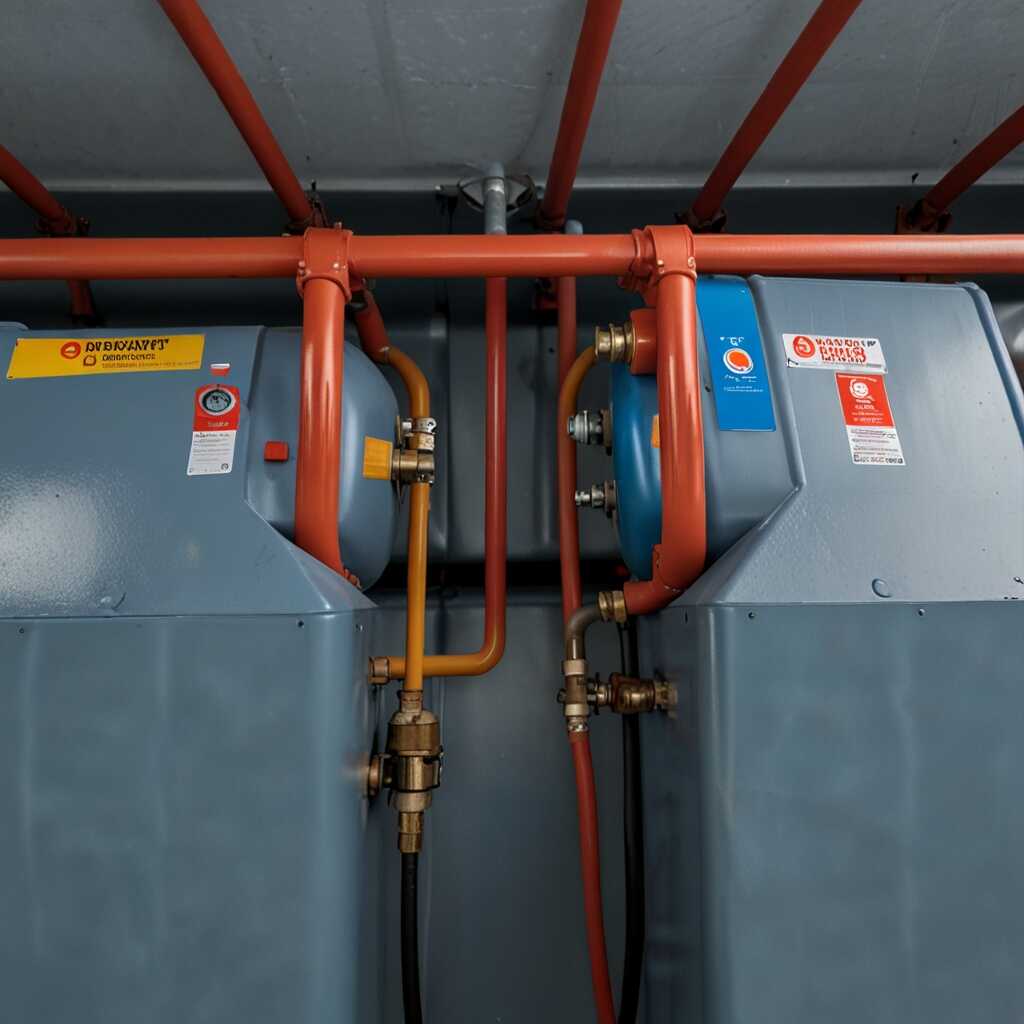
Traditional recovery setups using separate recovery machines and external cylinders remain viable alternatives for certain applications. These systems offer unlimited storage capacity through cylinder swapping but require more setup time and equipment management. Portable recovery bags provide another option for very small jobs under 5 pounds but lack the efficiency and regulatory compliance features of powered recovery machines. Advanced machines featuring sub-cooling processes represent a premium alternative that maximizes recovery efficiency but at significantly higher costs ranging from $4,000-6,000.
Making the Right Choice for Your Business
The decision between internal storage and traditional recovery methods depends on several factors including typical job size, service vehicle constraints, and budget considerations. Businesses primarily servicing residential and light commercial equipment benefit most from internal storage units due to their convenience and efficiency gains. However, contractors working on large commercial installations may find traditional setups more practical due to unlimited storage capacity. Consider conducting a cost-benefit analysis based on your specific service mix and operational requirements.
Common Mistakes to Avoid When Using Internal Storage Units
Technicians new to internal storage recovery machines often make several preventable errors that reduce efficiency and potentially damage equipment. The most frequent mistake involves overfilling the storage tank beyond 80 percent capacity, which triggers safety shutoffs and can damage the compressor. Another common error is mixing incompatible refrigerants in the storage tank, which creates unusable blends requiring expensive disposal. Failing to purge non-condensables regularly leads to increased recovery times and potential compressor damage due to elevated head pressures.
Best Practices for Optimal Performance
Successful operation of refrigerant recovery machines with internal storage requires following established best practices. Always verify storage tank capacity before beginning recovery to ensure adequate space exists. Use dedicated machines for different refrigerant types when possible, or thoroughly purge systems between incompatible refrigerants. Monitor inlet pressure continuously and adjust recovery speed to prevent liquid slugging. Regular maintenance according to manufacturer specifications, including filter replacements every 20-40 operating hours, ensures consistent performance and extends equipment life.
Future Trends in Recovery Machine Technology
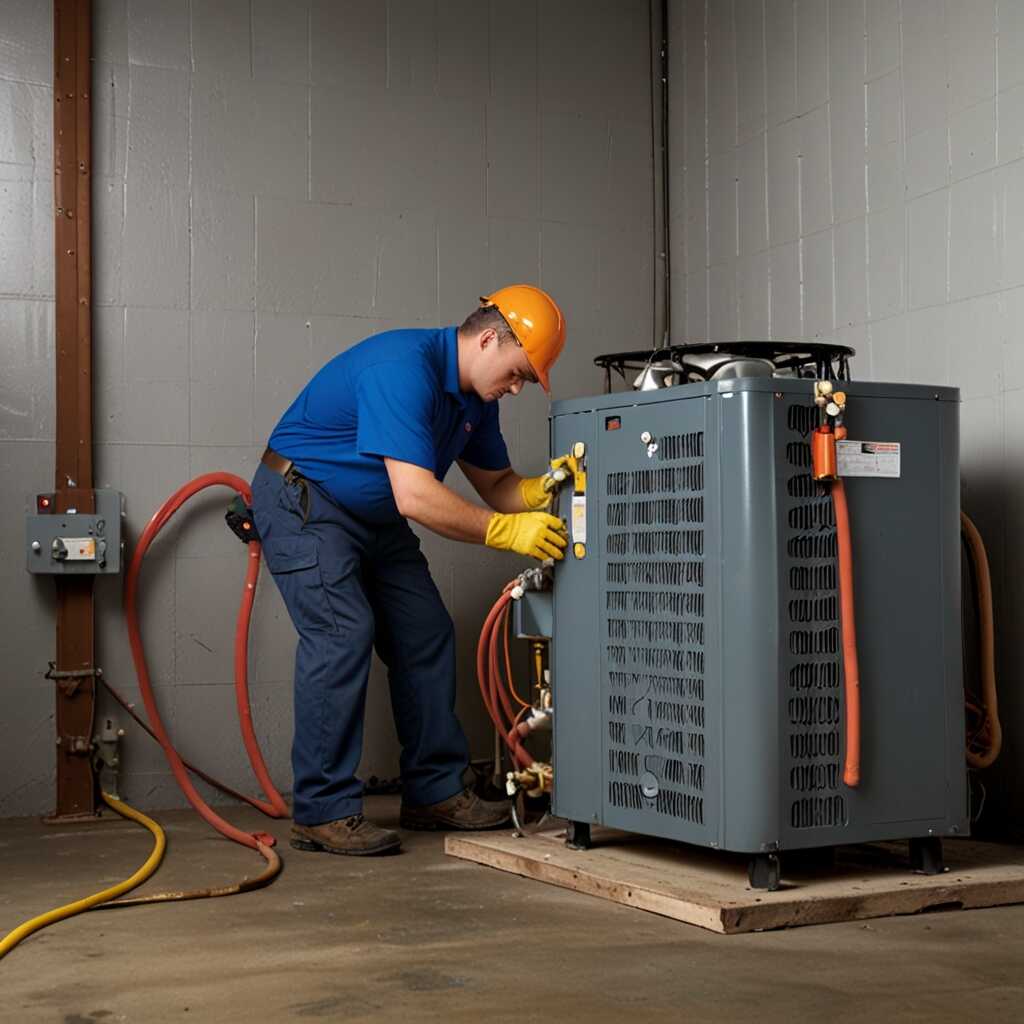
The refrigerant recovery industry continues evolving with technological advances focused on efficiency and environmental compliance. Emerging features include IoT connectivity for remote monitoring, allowing fleet managers to track equipment usage and schedule maintenance proactively. Manufacturers are developing dual-refrigerant storage systems that maintain separation between different types while preserving the convenience of internal storage. Variable-speed compressors that adjust recovery rates based on system conditions represent another innovation that promises to reduce recovery times by an additional 15-25 percent.
Preparing for Industry Changes
As environmental regulations tighten and new refrigerants enter the market, recovery equipment must adapt accordingly. Next-generation machines will likely feature enhanced filtration systems capable of handling A2L mildly flammable refrigerants safely. Increased storage pressures up to 800 PSI will accommodate new high-pressure alternatives to traditional refrigerants. Technicians should invest in training and equipment that provides flexibility for future refrigerant transitions while maintaining compliance with evolving EPA requirements.