Heavy-duty compressors are powerful motor-driven units designed for continuous refrigerant recovery operations in HVAC systems. These compressors feature enhanced motors, thermal protection, and robust construction that enables faster refrigerant extraction compared to standard models. Heavy-duty compressors in refrigerant recovery machines provide superior suction capabilities for commercial applications requiring frequent refrigerant handling.
What Are the Primary Benefits of Heavy-Duty Refrigerant Recovery Compressors
Heavy-duty compressors offer several key advantages for HVAC professionals working with refrigerant recovery systems. These benefits include faster recovery times, improved reliability during continuous operation, and enhanced capability to handle various refrigerant types including R-410A, R-22, and newer eco-friendly alternatives. Refrigerant recovery machines provide essential benefits through their advanced compressor technology, which reduces downtime between jobs and increases overall productivity for HVAC technicians.
How Heavy-Duty Compressors Enhance Recovery Speed and Efficiency
The enhanced efficiency of heavy-duty compressors stems from their increased displacement capacity and improved motor design. Refrigerant recovery machines with proven high-quality components typically feature compressors with higher horsepower ratings that maintain consistent suction pressure throughout the recovery process. This consistent performance allows technicians to complete refrigerant recovery tasks more quickly than with standard compressors, which may struggle under continuous load conditions.
What Durability Features Make Heavy-Duty Compressors Superior
Performance features in refrigerant recovery machines include thermal overload protection, oil return systems, and reinforced internal components. These durability features enable heavy-duty compressors to withstand the demanding conditions of frequent refrigerant recovery operations. The robust construction typically includes hardened cylinder walls, precision-machined pistons, and advanced lubrication systems that reduce wear during extended operation periods.
Key Technical Specifications That Define Heavy-Duty Recovery Compressors
Heavy-duty compressors distinguish themselves through specific technical characteristics that enhance their performance in refrigerant recovery applications. Compressors in refrigerant recovery machines stand out due to their higher displacement volumes, typically ranging from rotary vane designs to reciprocating piston configurations. These compressors often feature multi-stage compression systems that provide better vacuum capabilities and more efficient refrigerant extraction from HVAC systems.
Understanding Motor Power and Displacement in Heavy-Duty Units
Motor power in heavy-duty refrigerant recovery compressors typically ranges from three-quarter horsepower to multiple horsepower configurations, depending on the intended application. The displacement capacity, measured in cubic feet per minute or liters per minute, determines how quickly the compressor can evacuate refrigerant from a system. Heavy-duty models generally feature displacement ratings that exceed standard units, enabling them to handle larger commercial HVAC systems and complete recovery operations more efficiently.
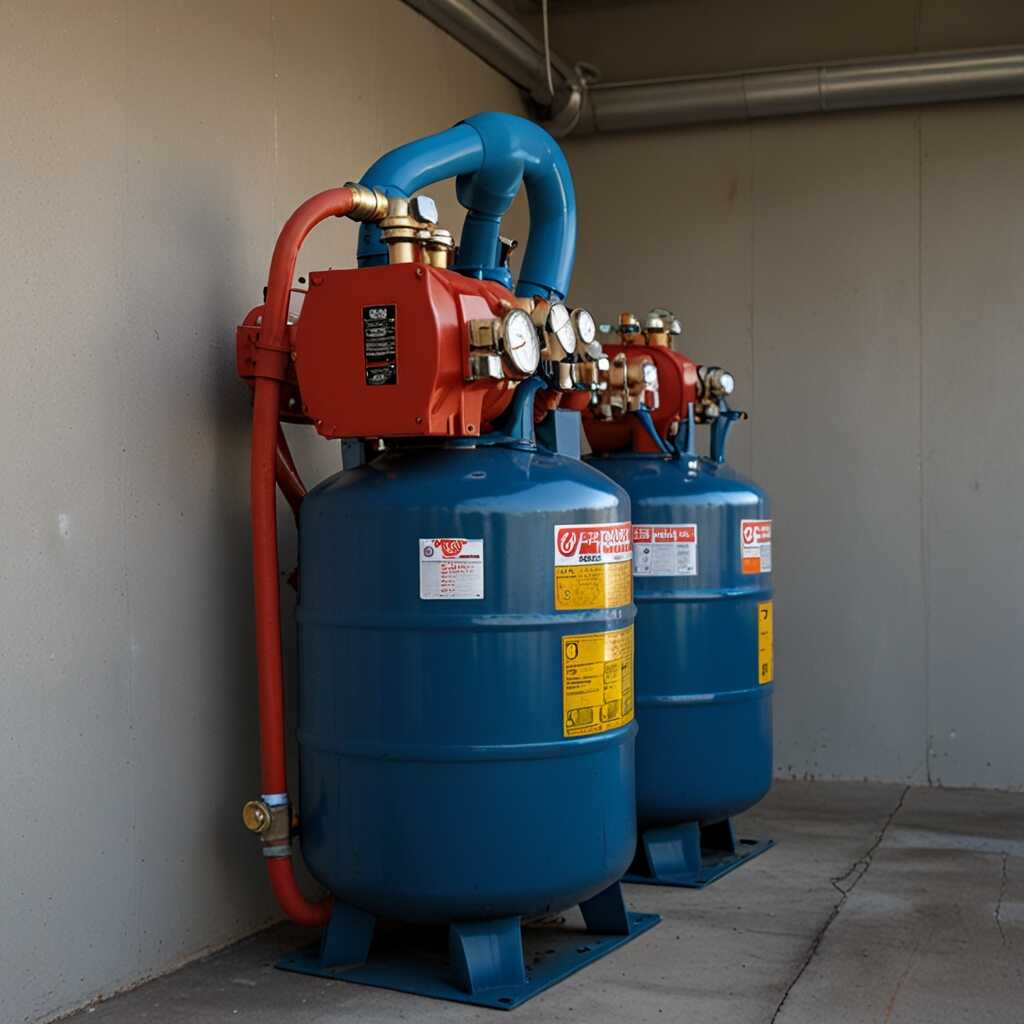
Who Should Use Heavy-Duty Compressor Recovery Machines
Heavy-duty refrigerant recovery machines are most suitable for HVAC professionals who frequently service commercial systems, handle multiple recovery jobs daily, or work with large-capacity equipment. Ensuring reliable and fast refrigerant recovery becomes critical for technicians managing high-volume operations or emergency repairs where time constraints are significant. These machines also benefit contractors who service industrial refrigeration systems, supermarket chains, or large office buildings with substantial HVAC infrastructure.
When Heavy-Duty Compressors Provide the Greatest Value
The greatest value from heavy-duty compressors occurs in situations requiring frequent, continuous, or high-volume refrigerant recovery operations. Refrigerant recovery machines are designed with heavy-duty compressors specifically for commercial applications where standard equipment might become overwhelmed or require frequent breaks to prevent overheating. These situations include servicing multiple units in a single day, handling emergency repairs on critical systems, or working in environments where equipment reliability directly impacts business operations.
Typical Applications for Heavy-Duty Recovery Equipment
- Commercial HVAC system maintenance requiring frequent refrigerant handling throughout the workday.
- Industrial refrigeration servicing where large refrigerant volumes must be recovered efficiently.
- Emergency repair services needing reliable equipment that performs consistently under pressure.
- Retrofit projects involving multiple system conversions and extensive refrigerant recovery work.
- Service companies managing high-volume operations across multiple job sites daily.
- Specialized contractors focusing on large-scale commercial or industrial HVAC installations.
- Training facilities requiring dependable equipment for consistent educational demonstrations.
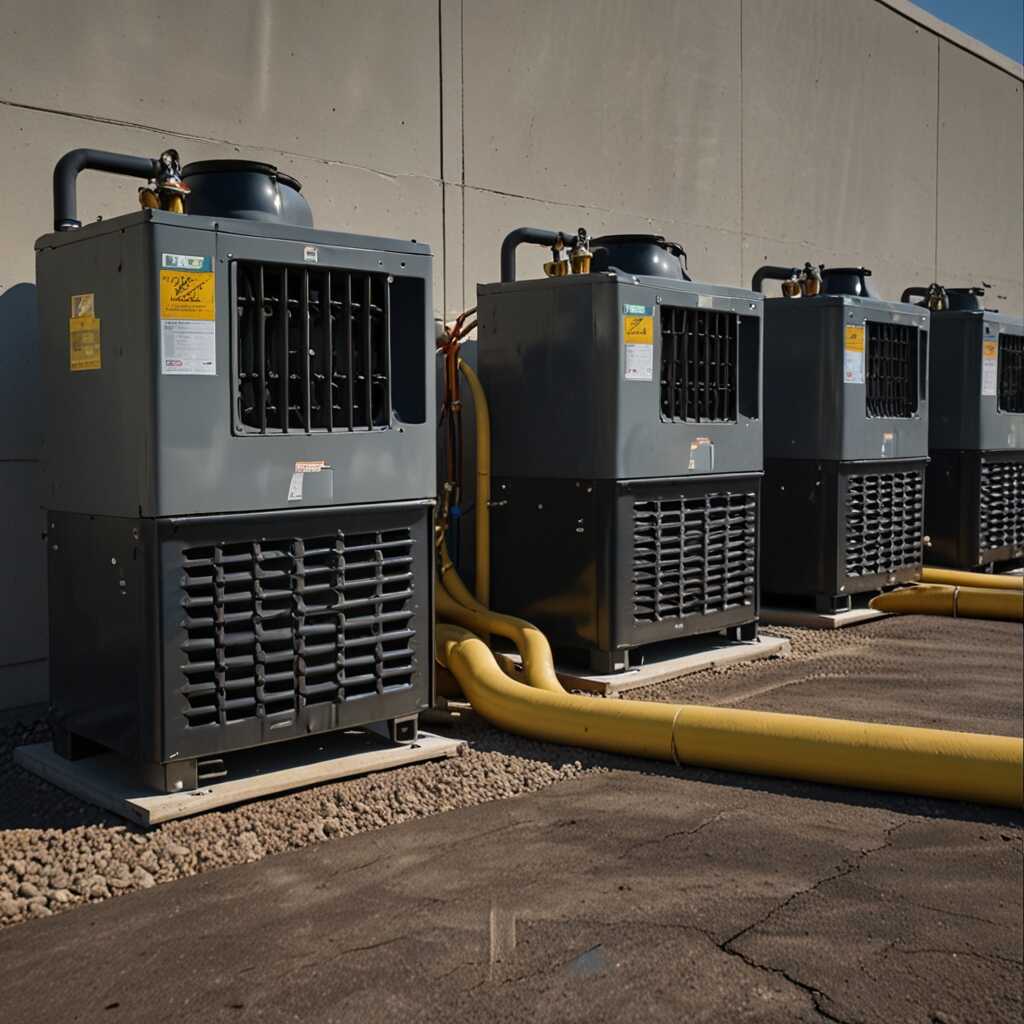
How Much Do Heavy-Duty Refrigerant Recovery Machines Cost
Heavy-duty refrigerant recovery machines typically represent a higher initial investment compared to standard models, with costs varying based on features, brand reputation, and technical specifications. Refrigerant recovery machines typically range from entry-level heavy-duty models to professional-grade units with advanced features. The investment consideration should include not only purchase price but also operating costs, maintenance requirements, and the potential for increased productivity and job completion rates.
What Factors Influence the Cost of Heavy-Duty Recovery Equipment
Several factors influence the cost of heavy-duty refrigerant recovery equipment, including compressor type, displacement capacity, build quality, and included features. Higher-displacement compressors with advanced motor technology command premium pricing due to their enhanced performance capabilities. Additional cost factors include certification levels, warranty coverage, brand reputation, and specialized features such as automatic oil return systems, digital displays, or multi-refrigerant compatibility. Comprehensive price analysis and comparison tools can help HVAC professionals evaluate different options based on their specific requirements and budget constraints.
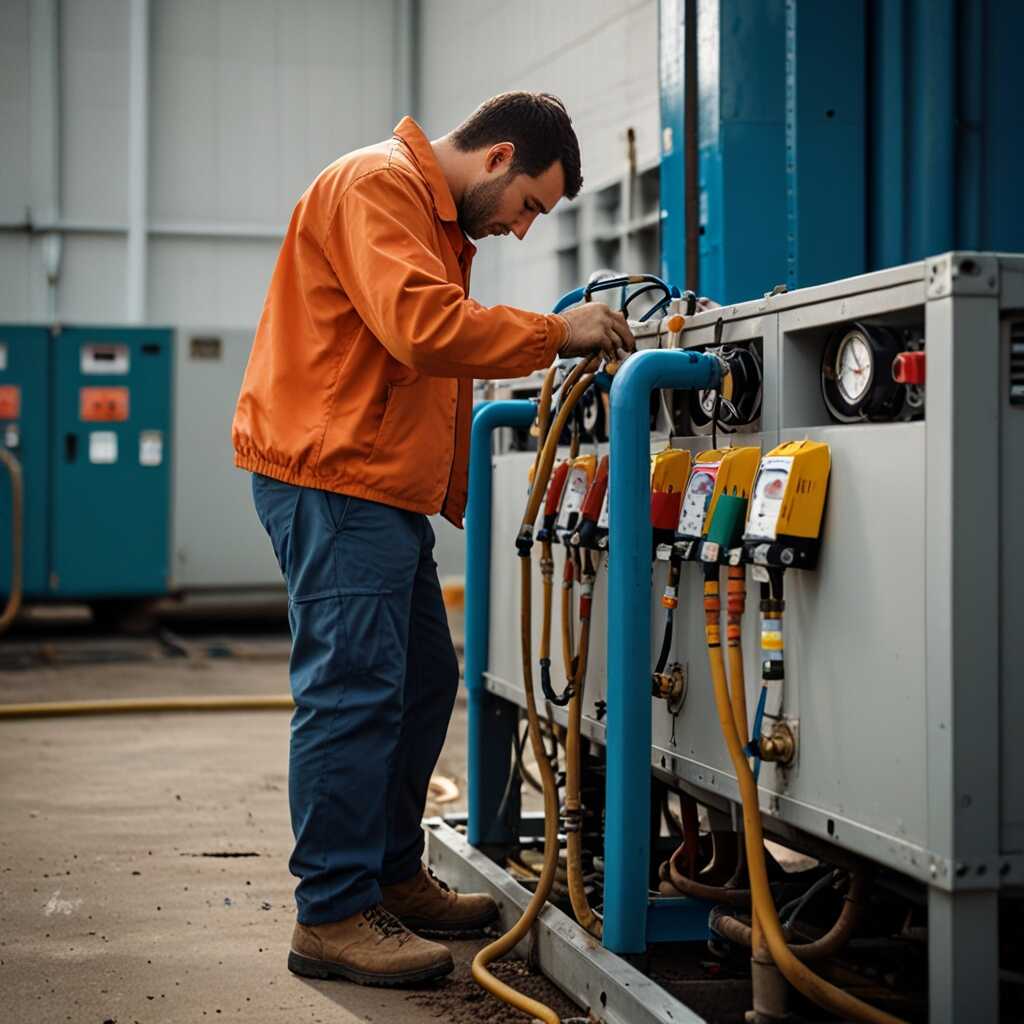
How Heavy-Duty Recovery Supports Environmental Protection
Heavy-duty refrigerant recovery systems play a crucial role in environmental protection by efficiently capturing refrigerants that would otherwise escape into the atmosphere. These systems help prevent the release of greenhouse gases, including hydrofluorocarbons and chlorofluorocarbons, which contribute to ozone depletion and climate change. The enhanced efficiency of heavy-duty compressors ensures more complete refrigerant capture, reducing environmental impact while supporting sustainability goals in the HVAC industry.
What Environmental Regulations Apply to Refrigerant Recovery
Environmental regulations governing refrigerant recovery include EPA Section 608 requirements, which mandate proper recovery procedures during equipment servicing and disposal. These regulations specify minimum recovery efficiency standards and require the use of certified recovery equipment. Heavy-duty recovery machines help technicians meet these requirements more effectively due to their superior performance characteristics. The regulations also establish record-keeping requirements and certification standards for both equipment and technicians performing refrigerant recovery operations.
Environmental Advantages of Efficient Recovery Equipment
- Enhanced capture efficiency reduces harmful refrigerant emissions that contribute to global warming potential.
- Faster recovery times minimize system exposure and reduce the likelihood of accidental releases.
- Reliable performance ensures consistent compliance with environmental protection regulations and standards.
- Advanced filtration capabilities prevent contamination and enable proper refrigerant recycling and reuse.
- Durable construction reduces equipment replacement frequency, supporting sustainable business practices through longevity.
- Efficient operation supports the HVAC industry’s transition toward more environmentally responsible service practices.
- Proper recovery facilitates refrigerant reclamation programs that reduce the need for virgin refrigerant production.
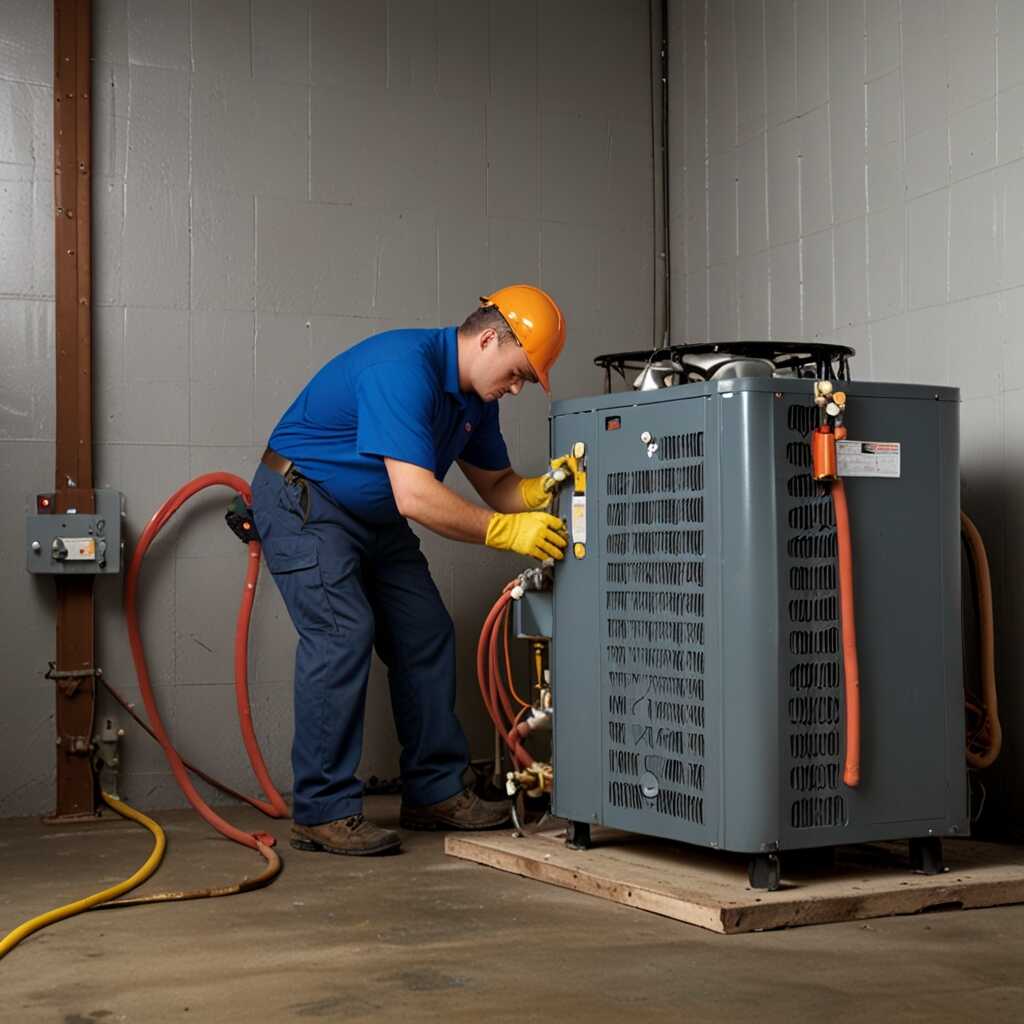
How Heavy-Duty Equipment Ensures EPA Compliance
Heavy-duty refrigerant recovery equipment helps HVAC professionals maintain EPA compliance through reliable performance and consistent recovery efficiency. Heavy-duty refrigerant recovery equipment significantly assists technicians in meeting regulatory requirements by providing the performance reliability needed for proper refrigerant capture. EPA regulations require specific recovery efficiency levels depending on the type of equipment being serviced, and heavy-duty compressors help ensure these standards are consistently met.
What EPA Standards Apply to Refrigerant Recovery Operations
EPA standards for refrigerant recovery include specific efficiency requirements based on equipment type and refrigerant category. The Clean Air Act Section 608 establishes recovery efficiency standards that vary depending on whether the equipment contains high-pressure or low-pressure refrigerants. Technicians must use EPA-certified recovery equipment and maintain proper documentation of all recovery activities. Heavy-duty recovery machines typically exceed minimum EPA requirements, providing additional assurance of regulatory compliance during routine service operations.
What Maintenance Do Heavy-Duty Recovery Compressors Require
Heavy-duty refrigerant recovery compressors require regular maintenance to ensure optimal performance and longevity. Essential maintenance tasks include checking and changing compressor oil according to manufacturer specifications, inspecting and replacing air filters, and monitoring system pressures during operation. Regular maintenance also involves checking electrical connections, inspecting hoses and fittings for leaks, and cleaning condenser coils to maintain proper heat dissipation. Proper maintenance schedules help prevent unexpected failures and maintain the efficiency that makes heavy-duty compressors valuable for professional applications.
What Are Common Problems with Heavy-Duty Recovery Compressors
Common problems with heavy-duty recovery compressors include oil contamination from improper maintenance, overheating due to blocked air flow or dirty condensers, and reduced efficiency from worn internal components. Robust compressors for quick refrigerant recovery may also experience issues with electrical connections, pressure switch failures, or refrigerant leaks in recovery lines. Understanding these potential problems helps technicians perform preventive maintenance and address issues before they result in equipment downtime or costly repairs.
Professional Applications and User Demographics for Heavy-Duty Equipment
- Commercial HVAC contractors benefit from heavy-duty reliability during high-volume service operations and demanding schedules.
- Industrial refrigeration specialists require robust equipment capable of handling large-capacity systems and continuous operation cycles.
- Emergency service technicians depend on reliable heavy-duty compressors for critical repairs where equipment failure impacts business operations.
- Training institutions use heavy-duty models to provide students with experience on professional-grade equipment used in commercial applications.
- Multi-trade contractors appreciate the versatility and durability of heavy-duty compressors across various project types and client requirements.
- Environmental service companies choose heavy-duty equipment to ensure reliable compliance with strict environmental regulations and standards.
- Equipment rental companies stock heavy-duty models to meet contractor demands for reliable, high-performance refrigerant recovery equipment.
What Limitations Should You Consider with Heavy-Duty Compressors
While heavy-duty compressors offer significant advantages, they also have limitations that HVAC professionals should consider. These limitations include higher initial costs compared to standard models, increased weight that may affect portability, and potentially higher energy consumption during operation. Heavy-duty compressors may also require more frequent oil changes due to their intensive operation and could be oversized for smaller residential applications where standard compressors would be more cost-effective. 8% in the refrigerant recovery machine market growth reflects increasing demand, but professionals should carefully evaluate whether heavy-duty features align with their specific application requirements.
What Alternatives Exist to Heavy-Duty Recovery Compressors
Alternatives to heavy-duty recovery compressors include standard-duty models suitable for lighter commercial applications, portable units designed for residential service, and specialized compressors optimized for specific refrigerant types. Refrigerant recovery machines are designed with various compressor configurations to meet different professional needs and budget constraints. Some alternatives include combination units that offer multiple functions beyond refrigerant recovery, such as evacuation and charging capabilities, or modular systems that allow technicians to upgrade components as their business needs change. The choice depends on factors such as typical job size, frequency of use, budget considerations, and specific application requirements. Effectively manage refrigerant recovery while ensuring compliance regardless of the compressor type selected for your operations.