Refrigerant recovery machines with enhanced cooling efficiency are specialized HVAC tools that capture refrigerants faster and more completely than standard models. These machines typically feature advanced condensers, variable-speed compressors, and automated controls like those found in Robinair, Yellow Jacket, and Mastercool units. Enhanced cooling systems reduce recovery time, improve environmental compliance, and lower operational costs for the efficiency of their refrigerant recovery processes.
What Are Refrigerant Recovery Machines and Their HVAC Applications
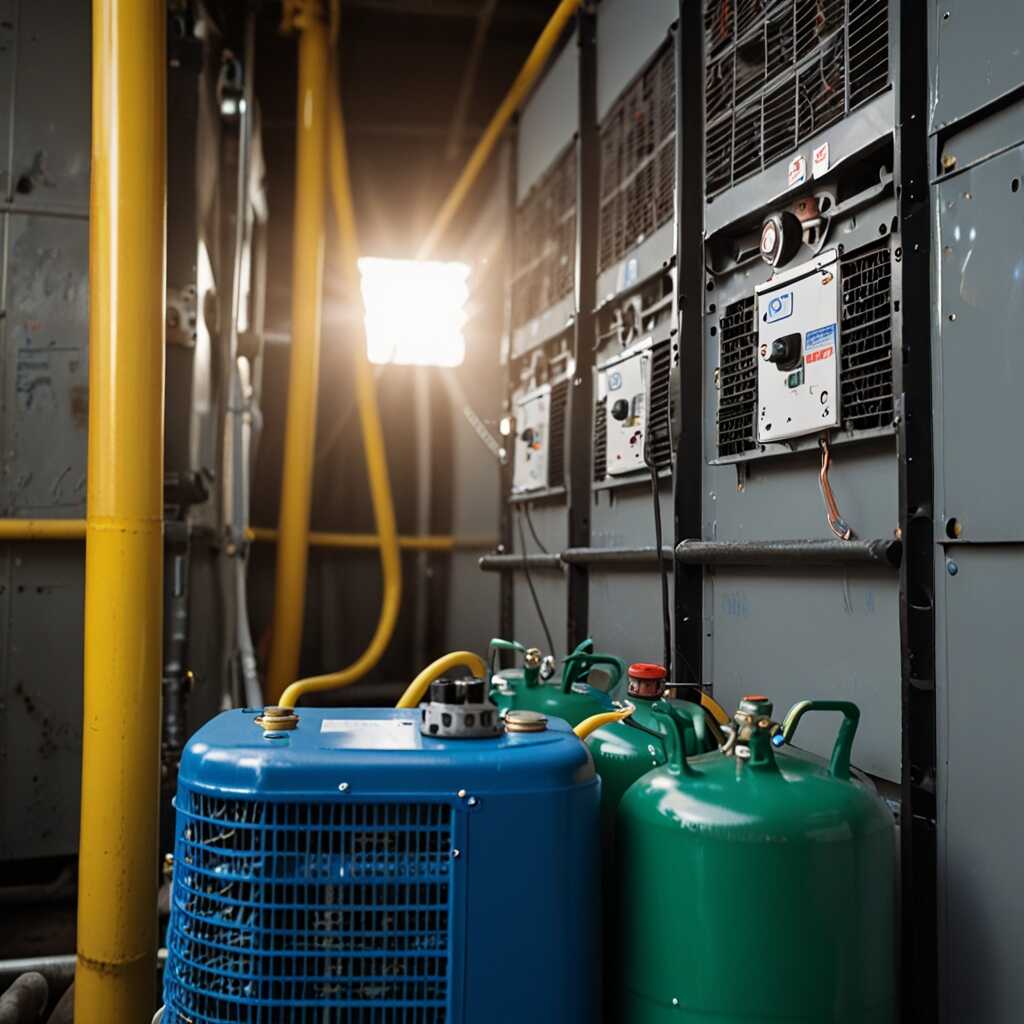
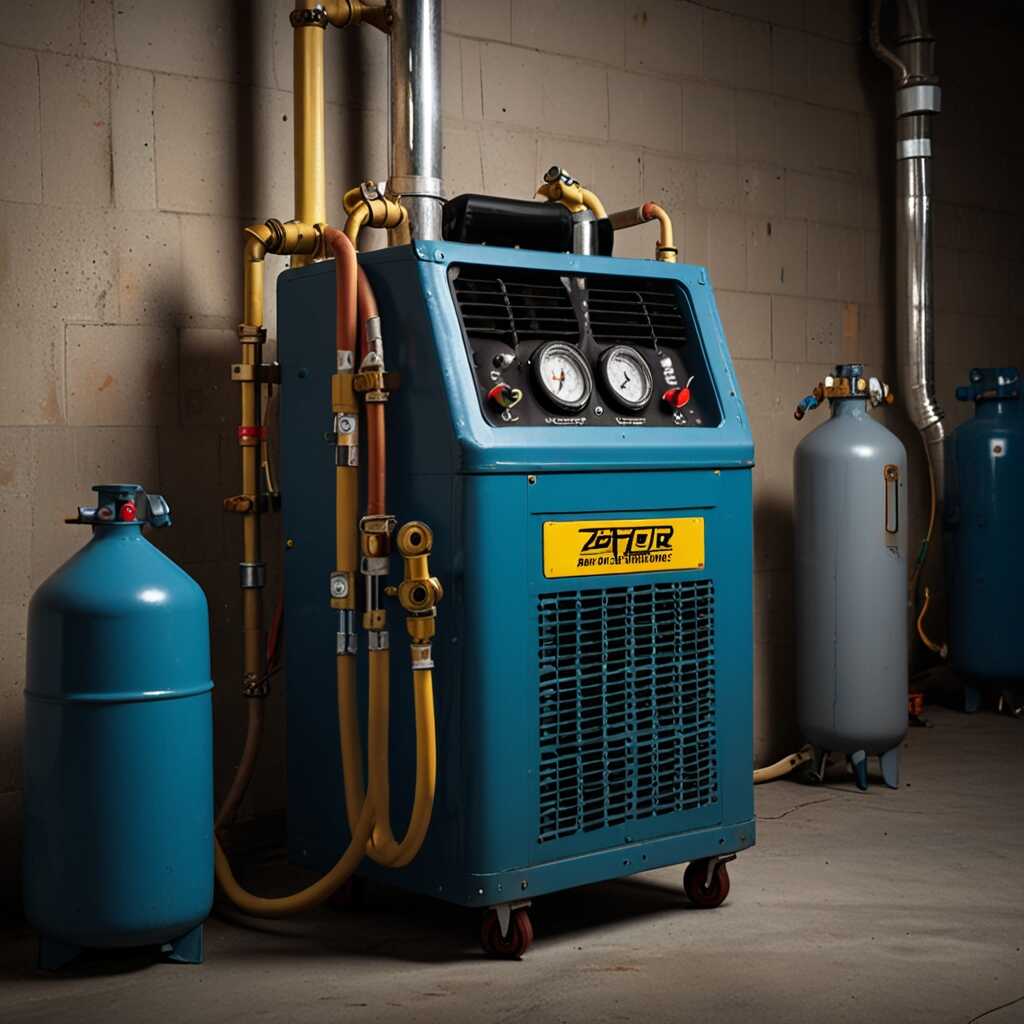
Refrigerant recovery machines are essential tools that extract refrigerants from HVAC systems during maintenance, repair, or disposal. These machines work by creating a vacuum that pulls refrigerant from the system into a recovery tank, preventing harmful emissions. Modern units handle multiple refrigerant types including R-410A, R-22, and R-134a, with recovery rates typically ranging from 1-5 pounds per minute depending on system pressure and ambient conditions.
How Enhanced Cooling Efficiency Transforms Recovery Performance
Enhanced cooling efficiency in refrigerant recovery machines works by using larger condensers, improved fan systems, and better heat exchange designs. This improved cooling allows the machine to maintain lower operating temperatures, which increases the pressure differential and speeds up refrigerant extraction. Professional units with enhanced cooling can reduce recovery time from 45 minutes to 20-25 minutes for typical residential systems, while maintaining higher recovery percentages.
Key Features That Enable Superior Condenser Cooling Efficiency
Enhanced condenser cooling efficiency relies on several critical components working together. Advanced refrigerant recovery systems feature larger condenser coils with increased surface area, variable-speed cooling fans that adjust to ambient conditions, and improved refrigerant flow paths. These features work together to maintain optimal operating temperatures even in hot environments, ensuring consistent condenser cooling efficiency in refrigerant recovery performance regardless of weather conditions.
Latest Technological Innovations Improving Recovery Efficiency
Modern refrigerant recovery machines incorporate variable-speed compressors that automatically adjust power consumption based on system demands. Smart controllers monitor temperature, pressure, and flow rates in real-time, optimizing performance while reducing energy usage. These innovations typically improve cooling efficiency by 20-30% compared to fixed-speed models, while electronic controls prevent overheating and extend equipment lifespan through automated shutdown protocols.

Environmental Benefits of Efficient Refrigerant Recovery Systems
Efficient refrigerant recovery practices offer significant environmental protection by preventing refrigerant emissions that contribute to ozone depletion and global warming. Enhanced recovery machines capture 95-99% of available refrigerant compared to 80-85% for standard models. Refrigerant recovery machines improve reliability and environmental compliance by ensuring thorough extraction, reducing greenhouse gas emissions equivalent to removing thousands of cars from roads annually.
Measurable Environmental Impact Reduction
Refrigerant recovery machines are designed to achieve maximum environmental benefit through superior capture rates. High-efficiency units prevent the release of refrigerants with global warming potentials ranging from 675 to 4,000 times that of carbon dioxide. By capturing additional refrigerant that would otherwise escape, these machines help facilities avoid EPA violations while contributing to climate protection goals and ozone layer preservation.
Environmental Impact Statistics
- Enhanced machines recover up to 99% of available refrigerant versus 85% for standard units.
- Improved cooling efficiency reduces recovery time by 40-50% in most applications.
- Energy-efficient models consume 25-30% less electricity during operation.
- A well-maintained refrigerant recovery unit has a typical service life of 10-15 years with proper maintenance.
- EPA compliance reduces potential fines ranging from $27,500 to $37,500 per violation.
- HVAC technicians report 40% faster job completion with high-efficiency equipment.
- Advanced machines complete typical residential recovery in 15-30 minutes.
Economic Benefits of High-Efficiency Recovery Equipment
High-efficiency refrigerant recovery machines provide substantial cost savings through reduced energy consumption, faster job completion, and lower maintenance requirements. These machines typically reduce electricity costs by 25-35% compared to standard models while completing jobs 40-50% faster. Commercial HVAC contractors often recover their equipment investment within 6-12 months through improved productivity and reduced operating expenses, particularly in high-volume service operations.
Understanding Long-Term Financial Returns
Enhanced cooling efficiency delivers measurable financial benefits beyond initial energy savings. Faster recovery times allow technicians to complete more service calls per day, increasing revenue potential while reducing labor costs per job. Professional recovery equipment provides excellent value through extended component life, reduced repair frequency, and improved customer satisfaction scores that lead to repeat business and referrals.

EPA Compliance Requirements for Refrigerant Recovery
The Environmental Protection Agency (EPA) requires certified technicians to recover refrigerant to specific levels before opening or disposing of HVAC equipment. Current regulations mandate recovery to 15 inches of mercury vacuum for systems containing more than 200 pounds of refrigerant, and 10 inches for smaller systems. High-efficiency recovery machines help ensure compliance by achieving these vacuum levels more reliably and documenting the recovery process through built-in gauges and data logging capabilities.
Meeting EPA Standards with Enhanced Recovery Technology
EPA Section 608 regulations require proper refrigerant handling to avoid penalties ranging from $27,500 to $37,500 per violation. Enhanced recovery machines assist compliance by maintaining accurate vacuum measurements, providing documentation capabilities, and ensuring thorough refrigerant extraction. Many professional-grade units include certification labels and testing reports that demonstrate compliance with EPA requirements, protecting technicians and contractors from regulatory violations.
Compliance and Performance Advantages
- Enhanced efficiency reduces recovery time while ensuring complete EPA compliance.
- Lower energy consumption supports sustainable business practices and cost reduction.
- Reliable performance helps avoid EPA fines ranging from $27,500 to $37,500.
- Superior cooling systems extend equipment lifespan and reduce replacement costs.
- Automated controls simplify operation and reduce technician training requirements.
- Professional-grade equipment enhances business reputation and customer confidence.
- Efficient recovery processes improve customer satisfaction and service ratings.
How Enhanced Recovery Technology Improves HVAC System Performance
Enhanced condenser cooling efficiency in refrigerant recovery machines contributes to better HVAC system performance through thorough refrigerant extraction and contamination prevention. Complete recovery prevents cross-contamination between different refrigerant types, maintains system efficiency, and reduces wear on HVAC components. Systems serviced with high-efficiency recovery equipment typically experience 15-25% longer component life and improved energy efficiency due to proper refrigerant management and reduced moisture contamination.
Technical Features That Enhance HVAC System Protection
Refrigerant recovery machines come with features specifically designed to protect HVAC systems during service. Enhanced cooling prevents refrigerant overheating that can cause chemical breakdown, while precise vacuum control removes moisture and contaminants that damage system components. Refrigerant Recovery Pro provides critical insights into selecting equipment with automatic purge systems, leak detection capabilities, and multi-refrigerant compatibility for comprehensive system protection.
Common Recovery Machine Challenges and Solutions
Typical challenges with refrigerant recovery machines include inadequate refrigerant recovery rates due to insufficient cooling, equipment overheating in high ambient temperatures, and difficulty achieving required vacuum levels. These issues often result from undersized condensers, inadequate cooling fan capacity, or worn seals and valves. Enhanced cooling systems address these problems through larger heat exchangers, variable-speed fans, and improved component design that maintains performance in challenging conditions.
Essential Features for Reliable Recovery Performance
Reliable refrigerant recovery requires machines with robust cooling systems, accurate vacuum measurement, and durable construction. Key features include oversized condensers that maintain efficiency in ambient temperatures up to 125°F, precision vacuum gauges reading to 50 microns, and corrosion-resistant components rated for multiple refrigerant types. Professional equipment testing demonstrates optimal performance through standardized procedures that verify cooling capacity, recovery speed, and long-term reliability under demanding field conditions.
Leading Recovery Machine Brands and Their Specializations
- Robinair offers user-friendly models with enhanced cooling for residential applications.
- Yellow Jacket provides heavy-duty units designed for commercial and industrial use.
- Mastercool specializes in portable units with superior cooling efficiency for mobile service.
- Appion focuses on lightweight models with advanced electronic controls and diagnostics.
- Inficon offers precision units with advanced vacuum measurement and data logging.
- Ritchie Engineering produces versatile machines suitable for multiple refrigerant types.
- CPS Products provides budget-friendly options with reliable performance for small contractors.
Emerging Technologies in Refrigerant Recovery Systems
Current innovations in refrigerant recovery focus on smart technology integration, improved energy efficiency, and enhanced user experience. Modern machines incorporate IoT connectivity for remote monitoring, predictive maintenance alerts, and performance tracking. Advanced models feature touchscreen interfaces, automated refrigerant identification, and cloud-based service records that help technicians optimize recovery processes and maintain compliance documentation.
Advanced Features in Next-Generation Recovery Equipment
Next-generation refrigerant recovery machines include features designed to revolutionize HVAC service efficiency. These innovations include artificial intelligence that optimizes recovery parameters, wireless connectivity for real-time monitoring, and predictive maintenance systems that alert users before component failure. Advanced recovery systems provide superior performance through integrated diagnostics, automatic refrigerant identification, and enhanced cooling systems that maintain efficiency across all operating conditions. ## What Limitations Should Users Consider? While enhanced cooling efficiency provides significant benefits, users should understand that these machines typically cost 30-50% more than standard models and require regular maintenance of cooling components. Performance advantages are most noticeable in high-temperature environments, while benefits may be less significant in moderate climate conditions. Additionally, enhanced systems may consume more power during peak cooling operation, though overall energy efficiency usually remains superior to standard units.