Condensing coil refrigerant recovery machines are specialized HVAC tools that use built-in cooling coils to convert refrigerant vapor back into liquid faster than standard recovery units. These machines typically reduce recovery time by 30-50% compared to traditional models, completing most residential system recoveries in 15-30 minutes. Common brands like Appion, Robinair, and Yellow Jacket offer condensing coil models ranging from $800-3,500, making them essential for professional HVAC technicians who need efficient refrigerant extraction.
How Condensing Coil Recovery Machines Work in HVAC Systems
Condensing coil recovery machines work by pulling refrigerant vapor from HVAC systems through a compressor, then passing it through an integrated cooling coil that rapidly converts the vapor back to liquid state. This condensation process significantly speeds up recovery because liquid refrigerant takes up much less space than vapor, allowing the machine to process more refrigerant per cycle. The cooling coils maintain temperatures typically 20-40 degrees below the refrigerant’s condensation point, which enables continuous high-speed recovery even in hot environments. Most professional-grade units feature variable-speed compressors that adjust automatically based on system pressure, ensuring optimal recovery rates throughout the entire process.
Key Components That Enable Faster Recovery
The primary components that make condensing coil machines faster include oversized condensing coils (usually copper or aluminum), high-efficiency compressors rated for continuous operation, and enhanced heat exchangers that dissipate heat quickly. These machines also incorporate advanced cooling fans that maintain optimal coil temperatures during extended recovery sessions. The combination of these components allows recovery rates between 0.8-1.5 pounds per minute for vapor and up to 8 pounds per minute for liquid refrigerant. Professional models often include dual-piston compressors or scroll compressors specifically designed for high-volume recovery applications.
Primary Benefits of Condensing Coil Technology for HVAC Professionals
The main benefits of condensing coil recovery machines include dramatically reduced job completion times, lower operational costs through faster turnaround, and improved reliability during high-temperature conditions. HVAC technicians using these machines can typically complete a standard residential split system recovery in 15-20 minutes versus 45-60 minutes with basic units. This time savings translates directly to increased daily service capacity – technicians often report handling 2-3 additional service calls per day. The machines also reduce compressor strain by maintaining lower operating pressures, which extends equipment lifespan and reduces maintenance requirements.
Financial and Operational Advantages
From a business perspective, condensing coil recovery machines offer substantial return on investment through increased productivity and reduced labor costs. A typical HVAC service company can save $50-150 per service call in labor time alone, with the initial equipment investment often recovered within 3-6 months of regular use. These machines also help businesses meet EPA recovery efficiency requirements more consistently, avoiding potential fines and maintaining professional certifications. Many contractors report that faster recovery times improve customer satisfaction, as system downtime is minimized during repairs or maintenance.
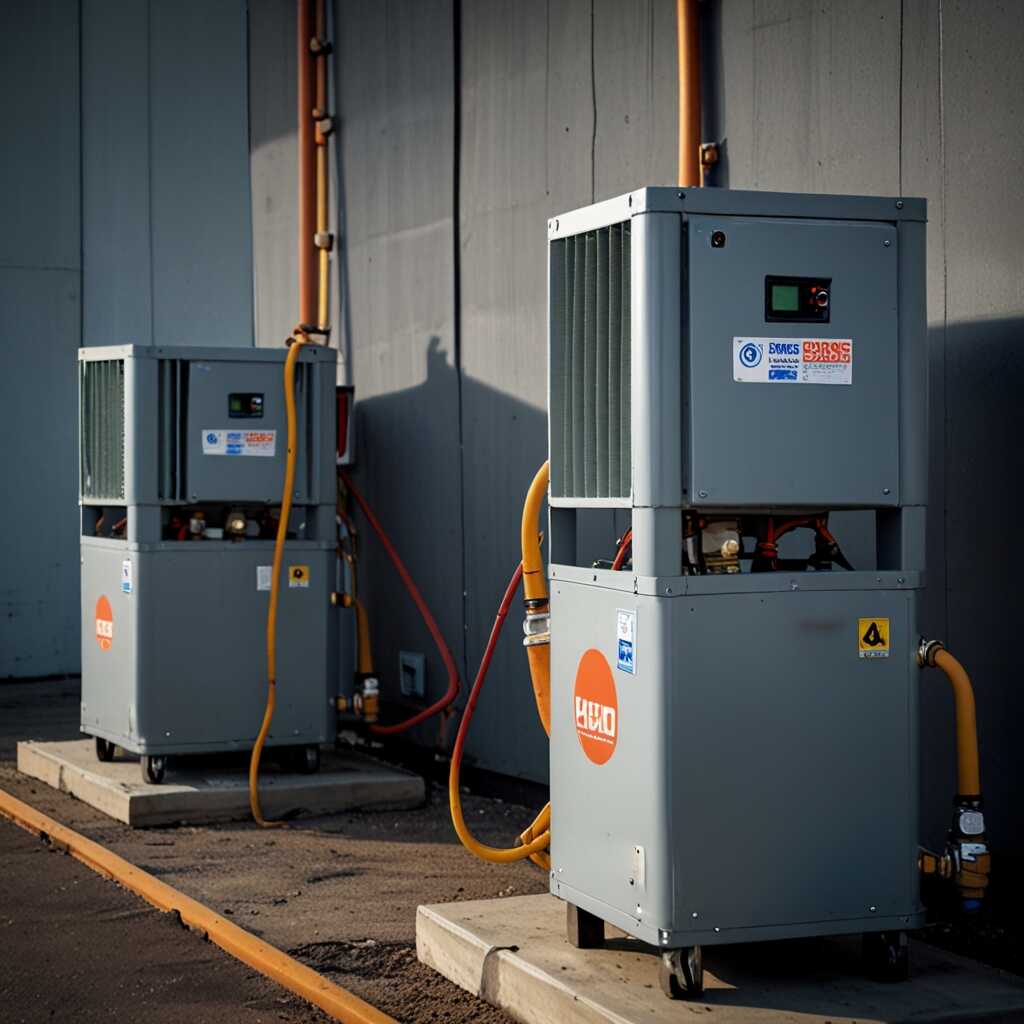
Essential Features When Selecting Condensing Coil Recovery Machines
When choosing a condensing coil recovery machine, professionals should prioritize models with oil-less compressors for reduced maintenance, automatic purge functions to prevent cross-contamination, and compatibility with multiple refrigerant types including R-410A, R-22, and R-134a. Recovery capacity should match your typical workload – residential technicians need machines rated for at least 1/2 HP, while commercial specialists require 1 HP or larger units. Look for machines with built-in micron gauges, automatic shut-off at 80% tank capacity, and dual-port designs that allow simultaneous vapor and liquid recovery.
Technical Specifications That Matter Most
Critical specifications include recovery rate (measured in pounds per minute), maximum inlet pressure rating (typically 500-550 PSI), and operating temperature range. Professional-grade condensing coil machines should offer recovery rates of at least 0.5 lb/min for vapor and handle ambient temperatures up to 120°F without performance degradation. The condensing coil itself should have sufficient surface area – generally 50-100 square inches minimum – to maintain efficiency during continuous operation. Digital displays showing real-time pressure, temperature, and recovery progress help technicians optimize their work and ensure complete refrigerant removal.
Performance Comparison: Condensing Coil vs Traditional Recovery Methods
Condensing coil recovery machines consistently outperform traditional direct recovery units in both speed and efficiency metrics. Standard recovery machines without condensing coils typically achieve 0.3-0.5 pounds per minute recovery rates, while condensing coil models reach 0.8-1.5 pounds per minute under similar conditions. The performance gap widens in high-temperature environments where traditional units may slow to 0.2 pounds per minute, but condensing coil machines maintain near-normal speeds. This difference becomes especially significant on larger commercial systems where recovery time differences can span several hours.
Real-World Performance Metrics
Field testing shows condensing coil machines complete typical residential system recoveries (5-10 pounds of refrigerant) in 15-30 minutes, compared to 45-90 minutes for basic units. On commercial rooftop units containing 20-50 pounds of refrigerant, the time savings often exceed 2-3 hours per job. The efficiency advantages are most pronounced when recovering from systems with high superheat or when working in ambient temperatures above 90°F. Many technicians report that condensing coil machines maintain consistent performance throughout the day, unlike traditional units that may slow down as internal components heat up.
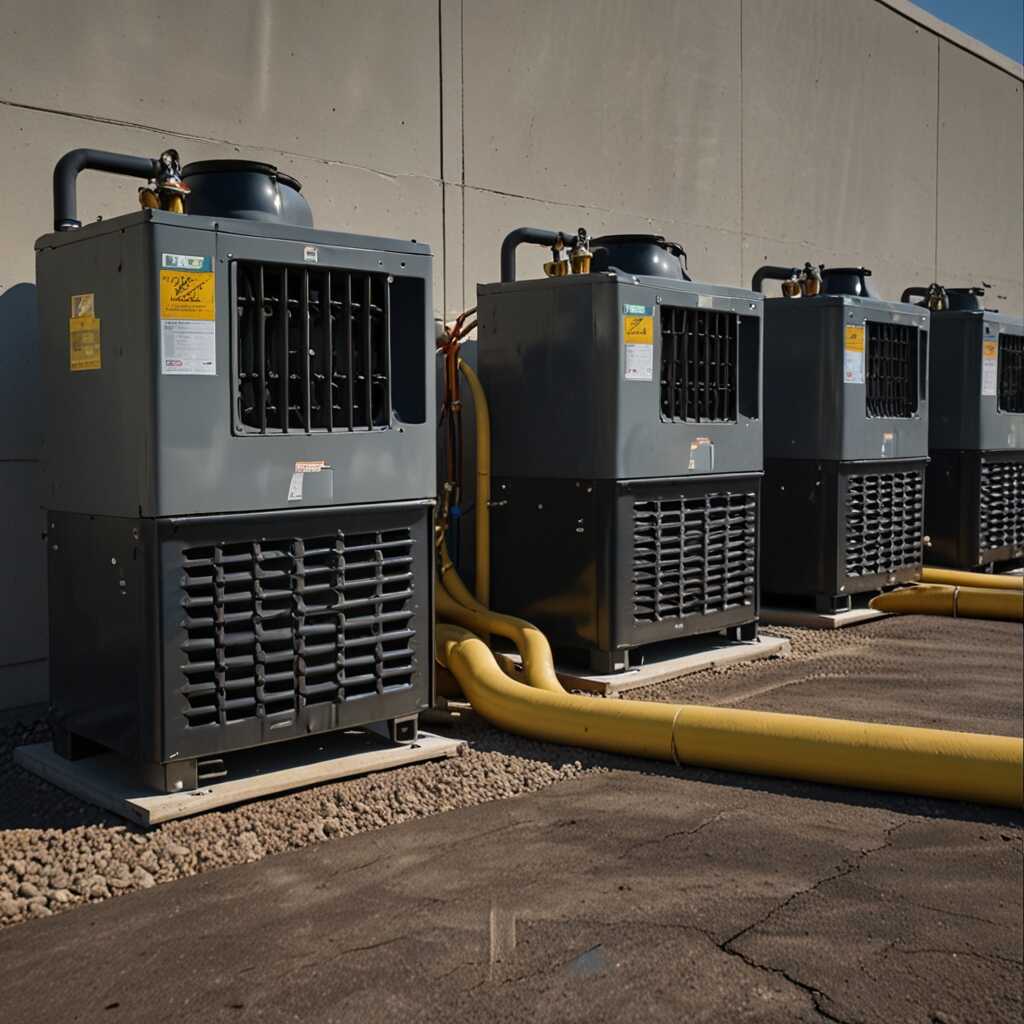
Common Applications and Ideal Use Cases
Condensing coil recovery machines excel in high-volume service environments where technicians perform multiple recoveries daily, such as commercial HVAC contractors, refrigeration specialists, and equipment replacement crews. These machines prove especially valuable during summer peak season when ambient temperatures challenge equipment performance and time efficiency becomes critical. Supermarket refrigeration technicians particularly benefit from condensing coil technology when servicing large rack systems that may contain hundreds of pounds of refrigerant. The machines also suit industrial applications where production downtime costs justify premium recovery equipment.
Specific Industry Applications
In residential HVAC service, condensing coil machines enable technicians to complete more calls per day during busy seasons, directly increasing revenue potential. Commercial refrigeration contractors use these machines for grocery store equipment maintenance, where minimizing food storage disruption is essential. Industrial facilities with large chiller systems benefit from the ability to recover refrigerant quickly during scheduled maintenance windows. Educational institutions and hospitals, where system downtime affects comfort and operations, particularly value the speed advantages these machines provide during emergency repairs.
Environmental Impact and Regulatory Compliance Benefits
Efficient refrigerant recovery using condensing coil machines significantly reduces environmental impact by minimizing refrigerant releases during service procedures. These machines typically achieve 95-98% recovery efficiency, well exceeding EPA requirements of 80-90% depending on system type. The faster recovery process also reduces the risk of accidental releases caused by connection failures or technician errors during lengthy recovery sessions. By enabling more complete refrigerant recovery, these machines help prevent ozone depletion and reduce greenhouse gas emissions from high-GWP refrigerants.
Meeting and Exceeding EPA Standards
Current EPA regulations require specific recovery levels based on system type and size, with penalties for non-compliance ranging from $1,000 to $40,000 per violation. Condensing coil recovery machines help technicians consistently exceed these requirements, providing documentation capabilities through digital logging of recovery amounts and rates. Many models include built-in features that automatically stop recovery at EPA-mandated vacuum levels, ensuring compliance without constant monitoring. This automated compliance reduces liability risks for HVAC contractors while demonstrating environmental responsibility to increasingly eco-conscious customers.
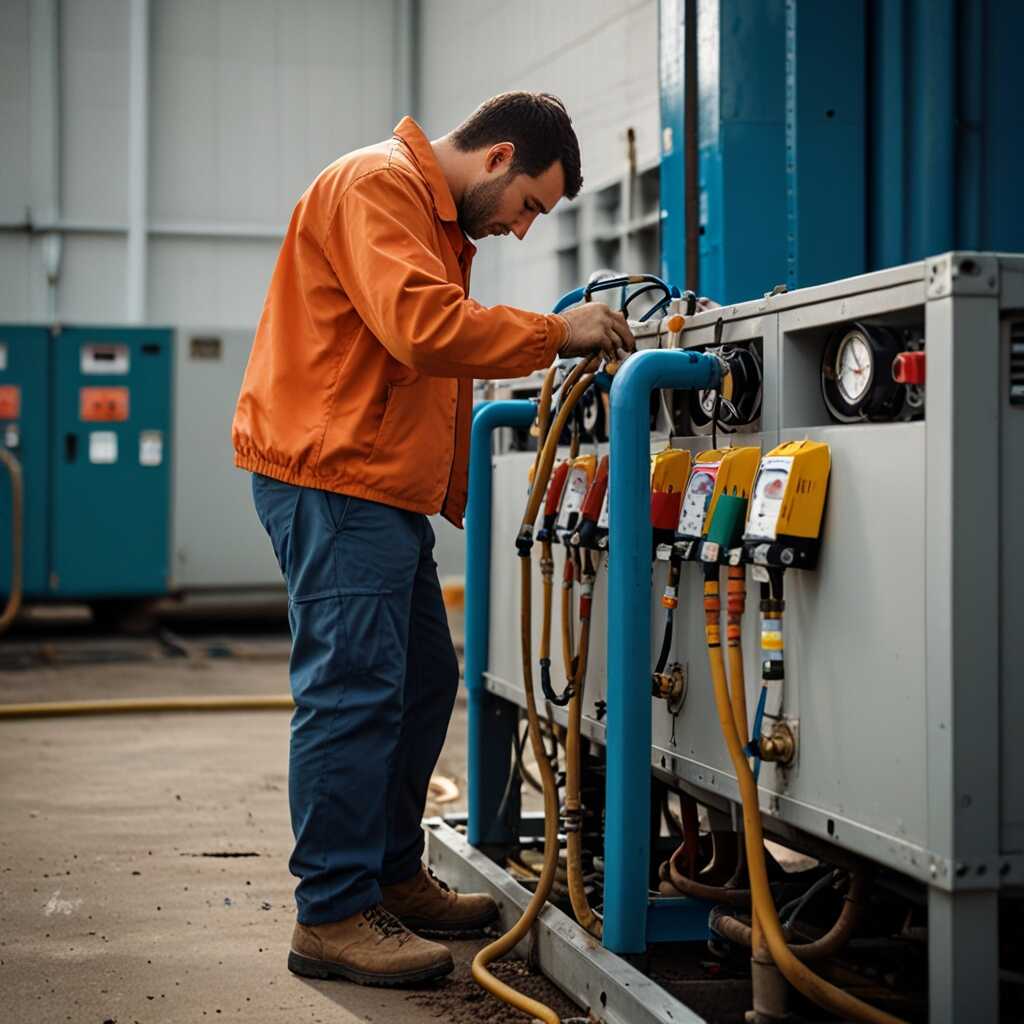
Maintenance Requirements for Optimal Performance
Condensing coil recovery machines require regular maintenance to maintain peak efficiency, including monthly coil cleaning, filter replacement every 20-40 hours of operation, and compressor oil checks for units with lubricated compressors. The condensing coils themselves need inspection for fin damage or debris buildup that can reduce heat transfer efficiency. Most manufacturers recommend annual professional servicing that includes leak testing, electrical component inspection, and calibration of pressure sensors. Proper maintenance typically extends machine lifespan from 5-7 years to 10-12 years of reliable service.
Preventive Maintenance Schedule
A comprehensive maintenance program should include daily visual inspections of hoses and connections, weekly cleaning of air intake filters, and monthly performance testing to verify recovery rates remain within specifications. The condensing coil fins require gentle cleaning with coil cleaner or compressed air to remove accumulated dust and debris. Every 100 hours of operation, technicians should check and tighten all electrical connections, inspect the compressor for unusual noise or vibration, and verify that automatic shut-off functions operate correctly. Maintaining detailed service logs helps identify performance degradation before major failures occur.
Cost Analysis and Return on Investment
Professional condensing coil recovery machines range from $800 for basic portable units to $3,500 for high-capacity commercial models with advanced features. Mid-range units suitable for most HVAC contractors typically cost $1,500-2,500 and offer the best balance of performance and value. When calculating ROI, consider that each hour saved on recovery time represents $75-150 in labor cost savings. Most contractors recover their investment within 3-6 months through increased productivity alone, not counting benefits like reduced compressor wear and improved customer satisfaction.
Long-Term Financial Benefits
Beyond immediate time savings, condensing coil machines provide long-term financial advantages through reduced maintenance costs, extended equipment lifespan, and ability to handle larger jobs efficiently. The machines’ reliability means fewer emergency equipment replacements and less downtime due to equipment failure. Many contractors find they can take on more complex commercial projects with confidence, knowing their recovery equipment won’t become a bottleneck. Insurance companies sometimes offer reduced liability premiums to contractors using EPA-certified high-efficiency recovery equipment, providing additional cost savings.
Limitations and Considerations
While condensing coil recovery machines offer significant advantages, they do have limitations including higher initial purchase costs, increased weight (typically 40-60 pounds versus 25-35 for basic units), and slightly more complex maintenance requirements. The condensing coils can ice up in extremely cold conditions below 32°F, requiring defrost cycles that temporarily slow recovery. These machines also consume more electrical power, potentially requiring dedicated circuits on job sites. Some older models may struggle with newer low-GWP refrigerants that have different thermodynamic properties than traditional refrigerants.
When Traditional Recovery Methods May Be Preferred
Basic recovery machines without condensing coils remain suitable for occasional users, DIY enthusiasts, or technicians who primarily service small residential systems in moderate climates. The lower purchase price and simpler operation make them accessible for part-time HVAC work or emergency backup units. In situations where portability is paramount, such as rooftop access via ladders, the lighter weight of basic units provides an advantage. However, for any professional HVAC contractor performing regular recovery operations, the productivity gains from condensing coil technology typically outweigh these limitations.