Refrigerant recovery machines with sub-cooling processes deliver enhanced efficiency through faster vapor condensation and reduced energy consumption. Sub-cooling involves cooling refrigerant below its saturation temperature, enabling recovery rates up to 25% faster than conventional methods. HVAC professionals using these systems typically experience improved performance, reduced operational costs, and better environmental compliance for their refrigerant management operations.
What Are Refrigerant Recovery Machines and Why They Matter
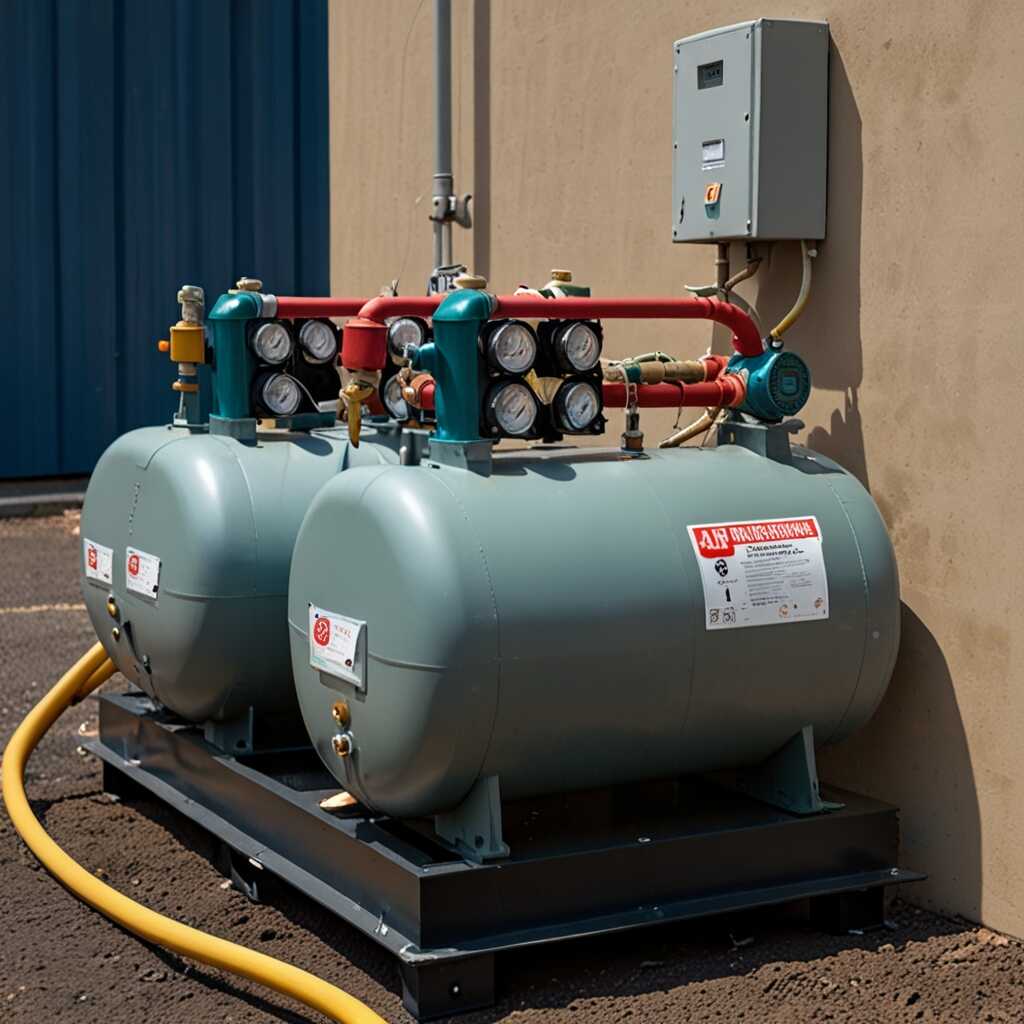
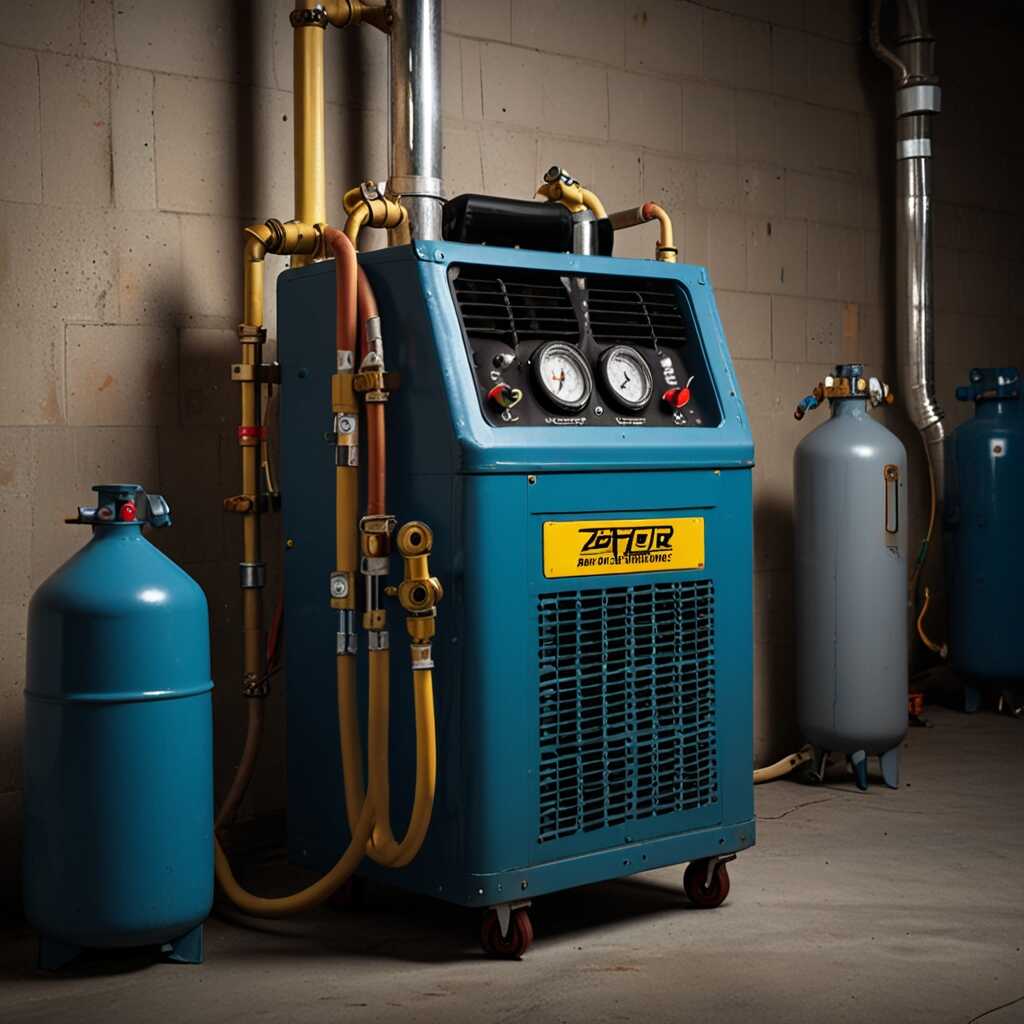
Refrigerant recovery machines are essential tools that extract and reclaim refrigerants from HVAC systems during maintenance, repair, or disposal. These machines prevent harmful refrigerants from escaping into the atmosphere while enabling technicians to reuse recovered materials. Modern recovery units typically feature high-pressure compressors, refrigerant storage tanks, and precision gauges for accurate operation. The recovery process usually takes between 15 to 45 minutes depending on system size, refrigerant type, and ambient conditions.
Core Components and Functionality of Recovery Equipment
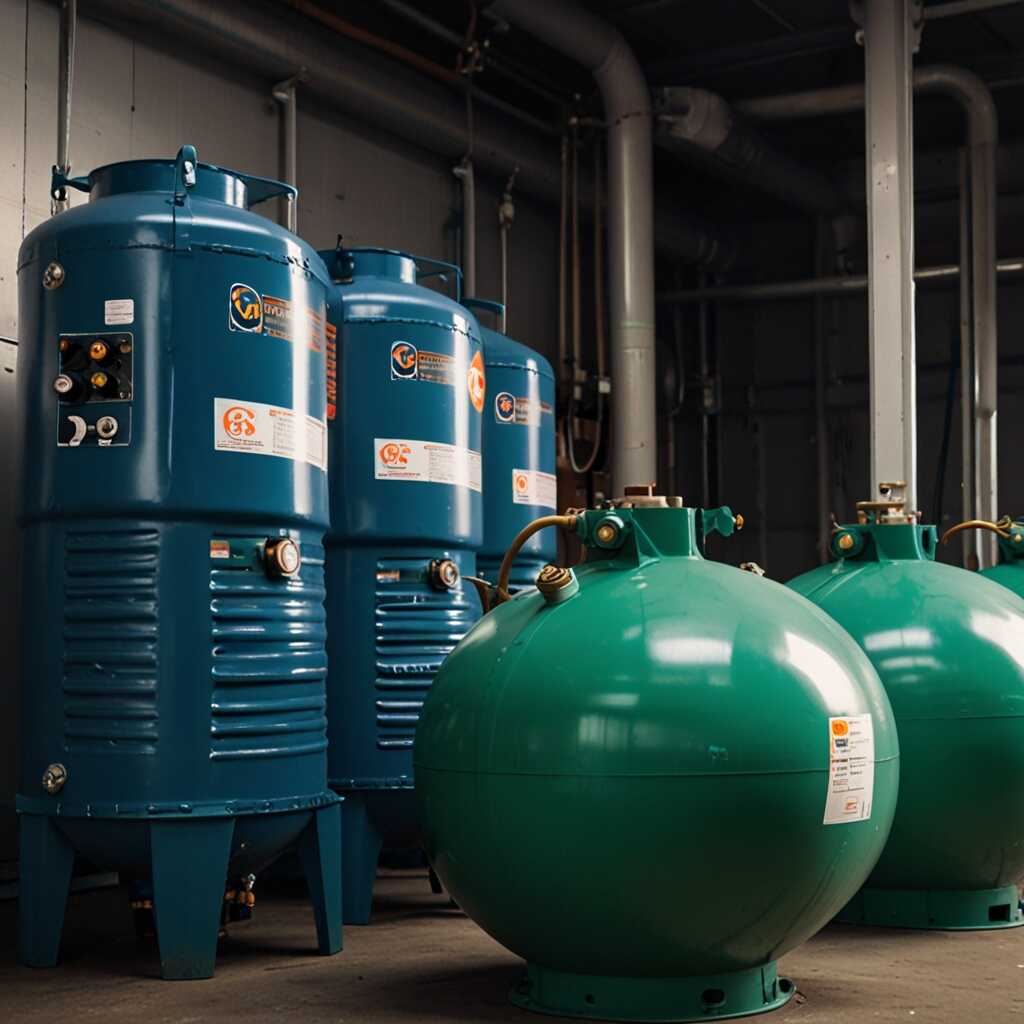
Refrigerant recovery machines are designed with several critical components that determine their effectiveness. The compressor serves as the heart of the system, creating the pressure differential needed to extract refrigerants. Storage tanks hold recovered refrigerant safely, while filter-driers remove moisture and contaminants during the process. Digital displays provide real-time pressure and temperature readings, helping technicians monitor progress. Quality machines handle multiple refrigerant types including R-410A, R-134A, and R-22, making them versatile for various HVAC applications across residential and commercial settings.
How Sub-Cooling Technology Transforms Recovery Efficiency
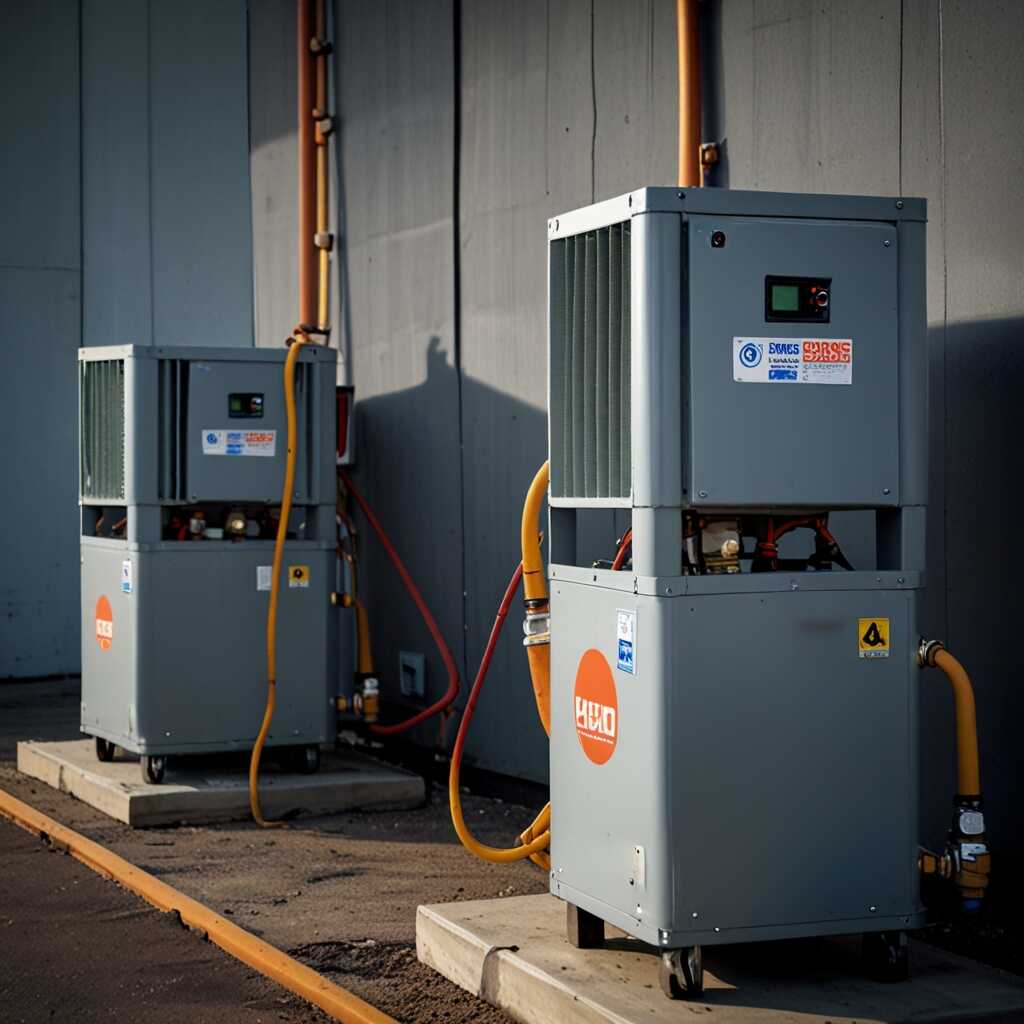
Sub-cooling in refrigerant recovery involves reducing the refrigerant temperature below its condensation point after it has already liquefied. This process involves cooling the refrigerant using additional heat exchangers or cooling coils within the recovery machine. This process helps refrigerant recovery machines achieve faster recovery rates by increasing the density of the liquid refrigerant and reducing vapor formation. The enhanced condensation process ensures fast and effective refrigerant recovery while minimizing the risk of vapor re-expansion during storage.
Technical Mechanics Behind Sub-Cooling Systems
Sub-cooling systems work by incorporating an additional cooling stage after the primary condensation process. The refrigerant first condenses at its saturation temperature, then passes through secondary heat exchangers where ambient air or water further reduces its temperature. This creates a larger temperature buffer between the liquid refrigerant and its vaporization point. The process typically reduces refrigerant temperature by 10-20 degrees Fahrenheit below saturation, significantly improving the stability of the recovered refrigerant and reducing the likelihood of vapor formation during transfer or storage.
Performance Benefits of Sub-Cooling in Recovery Operations
Sub-cooling in refrigerant recovery machines offers multiple performance advantages for HVAC technicians. Recovery speed increases substantially because sub-cooled refrigerant remains in liquid form more consistently, eliminating the need to re-process vapor that forms during traditional recovery. Equipment downtime decreases as machines can handle continuous operation without frequent cycling. Energy efficiency improves by approximately 15-25% compared to conventional recovery methods, translating to lower operational costs. The enhanced cooling also enables more complete recovery, often achieving 98-99% refrigerant extraction rates versus 85-95% with standard methods.
Specific Advantages for HVAC Professional Applications
HVAC professionals benefit from sub-cooling recovery machines through multiple practical advantages. Time savings represent the most immediate benefit, with typical recovery jobs completing 20-30% faster than traditional methods. Cost efficiency emerges through reduced energy consumption and higher refrigerant recovery rates. Equipment longevity improves because sub-cooling reduces stress on compressors and other mechanical components. Compliance becomes easier as these machines consistently meet or exceed EPA recovery standards. Professional credibility increases when technicians can demonstrate superior recovery performance to clients.
When Sub-Cooling Recovery Makes Most Sense
Sub-cooling recovery machines prove most valuable in specific scenarios and applications. Large commercial systems benefit significantly due to the substantial refrigerant volumes involved. Hot climate operations see enhanced performance because sub-cooling counters ambient heat effects. High-volume service operations achieve better return on investment through increased daily job capacity. Emergency repair situations benefit from faster recovery times. However, small residential jobs may not justify the additional equipment cost unless the technician handles multiple daily calls.
Cost Considerations and Return on Investment
Sub-cooling recovery machines typically cost 20-40% more than conventional units, with price ranges from $3,000 to $12,000 depending on capacity and features. The investment generally pays for itself within 6-18 months for busy HVAC operations through time savings and improved recovery rates. Energy cost reductions of $200-800 annually are common for full-time technicians. However, part-time or occasional users may need 2-3 years to recoup the additional investment. Financing options and tax incentives for environmentally friendly equipment can help offset initial costs.
Environmental Benefits and Regulatory Compliance
Refrigerant recovery machines with sub-cooling technology provide substantial environmental advantages by maximizing refrigerant capture rates. These systems typically recover 98-99% of available refrigerant versus 85-95% with conventional methods. The enhanced recovery reduces greenhouse gas emissions equivalent to removing multiple vehicles from roadways annually. Sub-cooling also enables better refrigerant recycling by maintaining higher purity levels during recovery. HVAC professionals using these systems demonstrate leadership in environmental stewardship while meeting increasingly strict EPA regulations.
Greenhouse Gas Reduction Through Enhanced Recovery
Enhanced refrigerant recovery through sub-cooling significantly reduces greenhouse gas emissions from HVAC operations. Each pound of recovered R-410A prevents emissions equivalent to approximately 2,088 pounds of CO2. Sub-cooling enhances the refrigerant recovery process by maintaining refrigerant in liquid form, preventing vapor losses that typically occur during conventional recovery. Commercial buildings using sub-cooling recovery can reduce their annual refrigerant emissions by 15-25%, contributing meaningfully to corporate sustainability goals and environmental compliance.
Regulatory Compliance and EPA Standards
Sub-cooling recovery machines help HVAC professionals exceed EPA Section 608 requirements for refrigerant recovery. The EPA mandates recovering at least 80-90% of refrigerant depending on system type, but sub-cooling systems routinely achieve 95-99% recovery rates. This superior performance provides a safety margin against regulatory violations while demonstrating professional competence. Record-keeping becomes easier with higher recovery rates, and inspections proceed more smoothly when equipment consistently exceeds minimum standards.
Key Performance Metrics for Sub-Cooling Recovery
- Recovery efficiency typically increases by 20-25% compared to conventional methods.
- Complete system recovery usually takes 25-40% less time than traditional approaches.
- Sub-cooling machines handle R-410A, R-134A, R-22, and newer refrigerant types effectively.
- Recovery rates often reach 4-8 pounds per minute depending on system pressure and size.
- Operating costs generally decrease by 15-20% through improved energy efficiency.
- Professional-grade units achieve 98-99% refrigerant recovery versus industry averages of 85-95%.
- Technician training time reduces by approximately 25% due to more consistent equipment performance.
Financial Benefits and Cost Analysis of Sub-Cooling
Sub-cooling recovery systems deliver measurable financial benefits through multiple channels. Energy savings typically range from 15-25% due to improved thermodynamic efficiency and reduced cycle times. Time savings translate to increased daily job capacity, potentially adding 20-30% more billable hours for busy technicians. Reduced refrigerant waste means more recovered material for resale or reuse. Equipment longevity improves through reduced mechanical stress, extending service life by an estimated 15-20%. These combined benefits often result in total operational savings of 10-30% for active HVAC service operations.
Understanding Investment Recovery and Profitability
The financial case for sub-cooling recovery depends heavily on usage volume and application type. High-volume commercial operations typically see payback within 6-12 months through time savings and improved recovery rates. Financial performance in refrigerant recovery operations improves most dramatically when technicians handle multiple daily jobs. Residential-focused businesses may require 18-24 months for full investment recovery. Reliability of refrigerant recovery machines with sub-cooling reduces unexpected repair costs and service downtime, contributing to long-term profitability through consistent performance.
Limitations and Challenges of Sub-Cooling Systems
While sub-cooling offers significant advantages, several limitations require consideration. Initial equipment costs run 20-40% higher than conventional recovery machines, creating a barrier for smaller operations. Power consumption increases slightly due to additional cooling requirements, though this is offset by faster cycle times. Maintenance complexity grows with additional heat exchangers and cooling components requiring regular service. Training requirements increase as technicians must understand the enhanced system operation. Some older HVAC systems may not benefit substantially from sub-cooling due to their design limitations or refrigerant types.
Common Implementation Challenges and Practical Solutions
HVAC professionals implementing sub-cooling recovery face several common challenges that require strategic solutions. Equipment integration issues arise when connecting advanced recovery machines to older HVAC systems with incompatible fittings or pressures. Power requirements may exceed available electrical capacity at some job sites, particularly for portable applications. Technician training takes additional time and resources to master sub-cooling operation effectively. Maintenance scheduling becomes more complex with additional system components. However, proper planning and gradual implementation can address these challenges successfully.
Equipment Selection and Sizing Guidelines
Choosing the right sub-cooling recovery machine requires careful consideration of typical job requirements and operational constraints. Recovery machine selection for specific refrigerant types should prioritize compatibility with commonly serviced systems. Recovery machine performance features like tank capacity, recovery rate, and power requirements must match typical job profiles. Commercial operations typically need machines with 30-50 pound tank capacity and 6-10 pound per minute recovery rates. Residential applications often work well with 15-30 pound capacity units offering 3-6 pound per minute rates.
Training and Implementation Strategies
Successful sub-cooling recovery implementation requires structured training and gradual system integration. Initial training should cover both theoretical operation principles and hands-on equipment operation. Technicians need approximately 8-12 hours of training to become proficient with sub-cooling systems versus 4-6 hours for conventional recovery. Practice sessions with various refrigerant types build confidence and competence. Implementing sub-cooling gradually, starting with larger jobs where benefits are most apparent, allows teams to build experience while maintaining productivity.
Implementation Best Practices for HVAC Operations
- Enhanced recovery rates minimize waste and maximize refrigerant reuse opportunities.
- Sub-cooling processes ensure safer refrigerant handling by maintaining stable liquid states.
- Advanced systems support EPA compliance while exceeding minimum recovery standards.
- Professional equipment creates competitive advantages through faster job completion times.
- Improved efficiency allows technicians to handle more jobs per day effectively.
- Better refrigerant management leads to substantial long-term cost savings and environmental benefits.
- Quality sub-cooling systems provide reliable performance even in challenging temperature conditions.
Compliance Requirements and Industry Standards
EPA Section 608 regulations establish minimum recovery standards that vary by equipment type and refrigerant. Sub-cooling recovery machines help technicians exceed these requirements consistently. Commercial refrigeration systems require 80% recovery, while air conditioning systems need 90% recovery of original refrigerant charge. Sub-cooling systems typically achieve 95-99% recovery, providing substantial compliance margins. Additional standards from ASHRAE and ISO provide technical guidance for proper implementation and operation of advanced recovery equipment.
EPA Regulations and Professional Obligations
Understanding EPA regulations ensures HVAC professionals avoid violations while maximizing environmental benefits. Section 608 requirements cover recovery percentages, equipment certification, technician licensing, and record-keeping obligations. Refrigerant recovery equipment comparisons help identify machines that consistently exceed regulatory minimums. Proper documentation of recovery rates, equipment maintenance, and technician training creates defensible compliance records. Regular equipment calibration and maintenance ensure consistent performance that meets or exceeds regulatory standards throughout the equipment’s service life.
Industry Certification and Training Requirements
Professional competence with sub-cooling recovery requires appropriate certification and ongoing education. EPA Section 608 certification remains mandatory for all refrigerant handling activities. Additional manufacturer training on specific sub-cooling equipment enhances professional competence and ensures warranty compliance. Industry associations offer advanced courses covering latest recovery technologies and environmental regulations. Continuing education helps technicians stay current with evolving standards and emerging equipment technologies.
Real-World Applications and Performance Results
Field applications of sub-cooling recovery demonstrate substantial practical benefits across various HVAC scenarios. A commercial building maintenance team reported 35% faster recovery times after implementing sub-cooling equipment, enabling them to complete more jobs daily. Refrigerant recovery efficiency improvements of 40-50% are commonly reported in large system applications. One major service company documented annual cost savings of $15,000-25,000 after fleet-wide sub-cooling implementation. These results demonstrate the technology’s value across different operation scales and customer types.
Comparative Performance Analysis Across Equipment Types
Performance comparisons between conventional and sub-cooling recovery reveal significant operational differences. Sub-cooling systems consistently achieve higher recovery percentages while reducing cycle times by 20-35%. Equipment reliability improves due to reduced mechanical stress from more efficient thermodynamic cycles. Energy consumption per pound of recovered refrigerant typically decreases by 15-25%, contributing to operational cost reductions. These performance advantages become more pronounced in high-temperature environments where conventional recovery struggles with vapor formation.
Industry Feedback and User Experiences
HVAC professionals consistently report positive experiences with sub-cooling recovery technology. Technicians appreciate faster job completion and more predictable recovery results. Service managers value the ability to schedule more jobs per day and meet customer commitments reliably. Business owners benefit from reduced operational costs and improved environmental compliance. However, some users note the importance of proper training and maintenance to realize full benefits. Recovery system performance analyses help identify optimal applications and usage patterns for maximum benefit.
Equipment Brand Considerations for Sub-Cooling Recovery
- Brand A provides heavy-duty commercial units with excellent capacity but limited portability for smaller jobs.
- Brand B focuses on lightweight residential models that sacrifice some performance for enhanced mobility.
- Brand C emphasizes environmental compliance with advanced monitoring but may cost more initially.
- Brand D offers high-capacity systems ideal for large commercial applications but requires significant power.
- Brand E prioritizes speed and efficiency, making them suitable for high-volume operations despite higher costs.
- Brand F provides comprehensive support and training, beneficial for businesses new to sub-cooling technology.
- Brand G delivers versatile multi-refrigerant capability but requires more extensive technician training.
Alternative Recovery Methods and Technology Comparison
While sub-cooling represents an advanced recovery approach, several alternative methods serve different operational needs and budgets. Conventional recovery machines without sub-cooling remain adequate for basic applications and smaller operations. Vapor injection systems offer enhanced performance for specific refrigerant types. Heat pump recovery provides energy efficiency benefits in moderate climate conditions. Each approach involves trade-offs between initial cost, operational efficiency, and application suitability that HVAC professionals must evaluate based on their specific circumstances.
Cost-Benefit Analysis of Different Recovery Approaches
Comparing recovery technologies requires analysis of both initial investment and long-term operational costs. Sub-cooling systems command premium prices but deliver superior performance and efficiency. Conventional systems cost less initially but may require longer recovery times and achieve lower recovery percentages. Vapor injection systems fall between these extremes, offering enhanced performance at moderate cost increases. The optimal choice depends on job volume, system types typically serviced, and available budget for equipment investment.
Professional Resources and Continuing Education
HVAC professionals need ongoing access to technical resources and training materials to maximize sub-cooling recovery benefits. EPA publications provide official guidance on regulatory requirements and compliance strategies. Professional reviews of refrigerant recovery equipment help inform purchase decisions and operational strategies. Industry associations offer workshops and certification programs covering advanced recovery techniques. Equipment manufacturers provide technical support and training resources specific to their sub-cooling systems.
Regulatory Updates and Industry Developments
Staying current with regulatory changes ensures continued compliance and competitive advantage. EPA regulations evolve periodically, potentially affecting recovery requirements and equipment standards. New refrigerant types may require equipment modifications or replacement. Enhanced efficiency refrigerant recovery machines continue advancing through technological innovation. Professional development through industry publications, conferences, and online resources helps technicians adapt to changing requirements and opportunities.
Building Long-Term Success with Sub-Cooling Recovery
Long-term success with sub-cooling recovery requires strategic planning and continuous improvement. Regular equipment maintenance ensures consistent performance and extends service life. Technician training investments pay dividends through improved efficiency and customer satisfaction. Performance monitoring helps identify optimization opportunities and justify equipment upgrades. Customer education about environmental benefits can support premium pricing for superior service. Building expertise in advanced recovery technologies positions HVAC businesses for continued growth and profitability.