Refrigerant recovery machines with built-in storage are specialized HVAC devices that extract refrigerant from systems while housing essential tools and accessories in integrated compartments. These machines combine refrigerant extraction capabilities with onboard storage for hoses, gauges, and recovery cylinders, streamlining workflows for HVAC technicians. The built-in storage eliminates the need for separate toolboxes and reduces setup time during service calls.
Understanding Refrigerant Recovery Machines with Integrated Storage
Refrigerant recovery machines serve the essential function of safely extracting refrigerant from HVAC systems for reuse or proper disposal. What makes storage-equipped models unique is their integrated compartments that house recovery accessories directly within the machine housing. These compartments typically accommodate items like manifold gauges, recovery hoses, refrigerant cylinders, and connection fittings. The integration addresses a common challenge HVAC technicians face: managing multiple tools and components across different job sites while maintaining organization and preventing equipment loss.
How Built-in Storage Systems Work
Features of refrigerant recovery machines significantly enhance their functionality when combined with thoughtful storage design. The storage system works by incorporating dedicated compartments within the machine’s frame or base unit. These compartments feature secure latching mechanisms to prevent contents from shifting during transport. Most designs include foam inserts or dividers that cradle specific tools, preventing damage from vibration. The storage areas are typically weatherproof and designed to protect sensitive instruments from environmental exposure. Access panels or drawers allow technicians to quickly retrieve needed items without dismantling the entire setup. This integrated approach transforms a single-purpose recovery device into a comprehensive service station. Technicians must ensure regular maintenance of both the recovery system and storage mechanisms for best practices in refrigerant recovery.
Benefits and Advantages of Built-in Storage Compartments
Built-in storage compartments in refrigerant recovery machines deliver multiple practical advantages that directly impact technician productivity. The primary benefit involves enhanced workflow organization, as essential tools remain within arm’s reach throughout the recovery process. This proximity reduces the time technicians spend searching for specific components or walking back to service vehicles. Another significant advantage is improved equipment protection, since tools stored within designated compartments experience less wear and damage compared to loose storage in toolboxes. The integrated design also reduces the likelihood of leaving expensive instruments at job sites, as everything travels together as one unit.
Practical Storage Solutions for HVAC Professionals
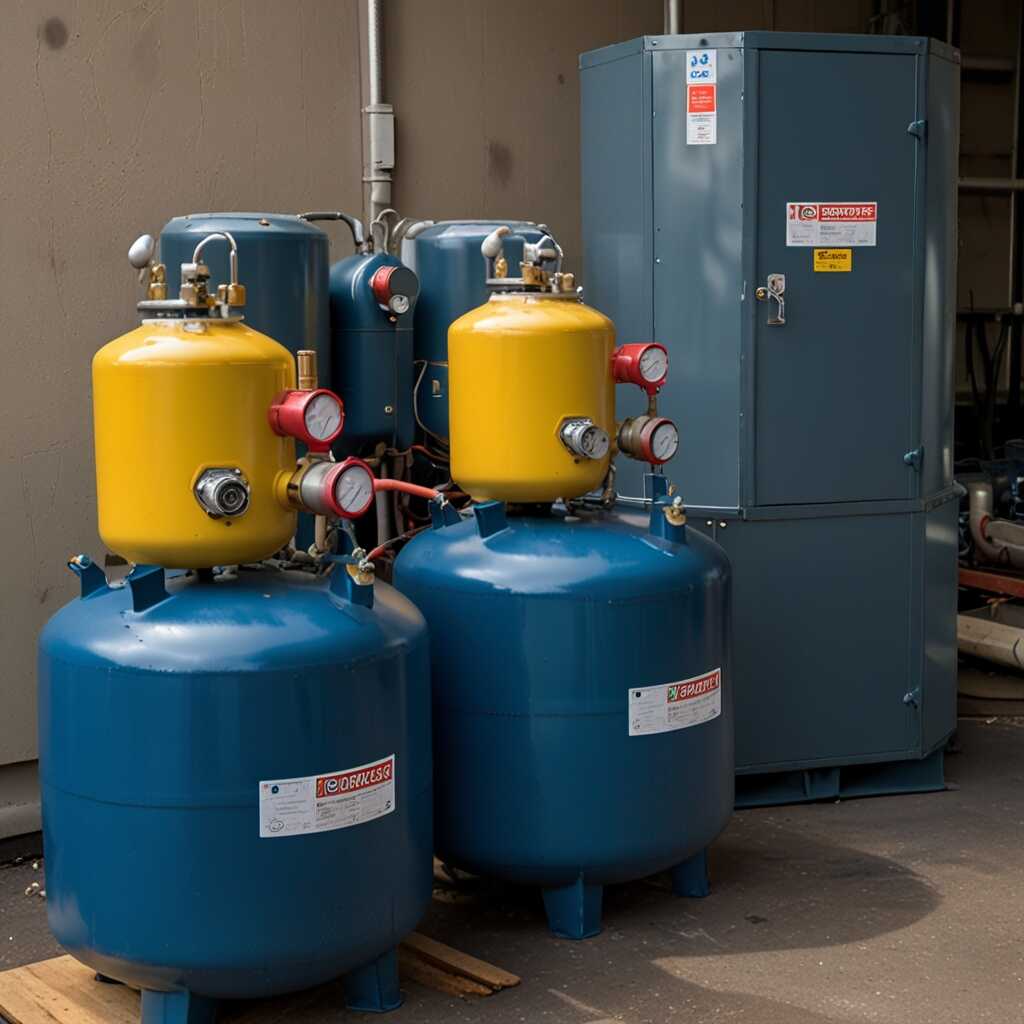
Optimal storage solutions in refrigerant recovery machines include compartments designed for specific tool categories and sizes. Common storage configurations feature dedicated slots for manifold gauges, coiled hose storage areas, and secure brackets for recovery cylinders. Some machines include separate compartments for electronic leak detectors, digital scales, and connection adapters. The most effective designs incorporate adjustable dividers that accommodate different tool sizes and allow customization based on individual technician preferences. Additional features might include magnetic strips for small metal components, elastic straps for securing cables, and ventilated areas for items that require air circulation.
Safety Enhancements Through Integrated Storage Design
Built-in storage compartments in refrigerant recovery machines contribute significantly to workplace safety by promoting better organization and reducing handling risks. Properly stored tools and components minimize the chances of accidents caused by loose equipment or cluttered work areas. The integrated design helps prevent refrigerant leaks that might occur when tools are scattered or improperly secured. Emergency equipment, such as leak detection devices and safety shut-off valves, can be immediately accessible when stored in designated compartments. This quick access proves crucial during unexpected situations requiring rapid response.
Compliance and Risk Management Considerations
Compliance and risk management represent critical concerns in refrigerant handling operations. Refrigerant recovery machines with built-in storage help ensure EPA compliance by keeping all necessary documentation and tools organized and readily available. Proper storage prevents contamination of recovery equipment and maintains the integrity of refrigerant samples. The organized approach supports accurate record-keeping, as technicians can easily access measurement tools and documentation materials. However, these machines do have limitations, including higher initial costs compared to basic recovery units and increased overall weight that may affect portability. The additional complexity of storage mechanisms also requires more maintenance attention and potentially more frequent repairs.
Key Equipment Features and Considerations
- Most HVAC professionals find built-in storage highly convenient for daily operations.
- Standard refrigerant recovery processes can experience some efficiency losses without proper organization.
- Built-in storage typically reduces recovery cycle setup time for most technicians.
- Many companies report improved regulatory compliance when using well-organized equipment.
- Efficiency improvements often occur with integrated storage solutions, though results vary by application.
- Current models typically weigh between 60 to 120 pounds depending on storage capacity.
- Maintenance costs may decrease with better equipment organization and protection.

How Integrated Storage Improves Operational Efficiency
Integrated storage compartments enhance operational efficiency in refrigerant recovery by streamlining the entire service process from setup to completion. The efficiency gains come primarily from reduced preparation time, as technicians no longer need to gather tools from multiple locations before beginning work. This consolidation proves especially valuable during emergency service calls where rapid response is essential. The organized storage also supports consistent work procedures, as technicians develop muscle memory for tool locations and can work more confidently in various lighting conditions or confined spaces.
Essential Features for Maximum Storage Efficiency
Choosing the right refrigerant recovery machine with integrated storage requires evaluating several critical design elements. Durability remains paramount, as storage compartments must withstand the weight of refrigerant cylinders and repeated opening and closing cycles. Look for reinforced hinges, robust latching mechanisms, and compartments constructed from materials that resist corrosion and impact damage. Easy access design is equally important, with compartments that open fully and provide clear visibility of contents. Consider machines with storage areas that accommodate industry-standard tool sizes and include provisions for securing items during transport. Effective storage solutions help ensure reliable equipment organization and support professional HVAC operations.
Comparing Storage-Equipped vs Traditional Recovery Machines
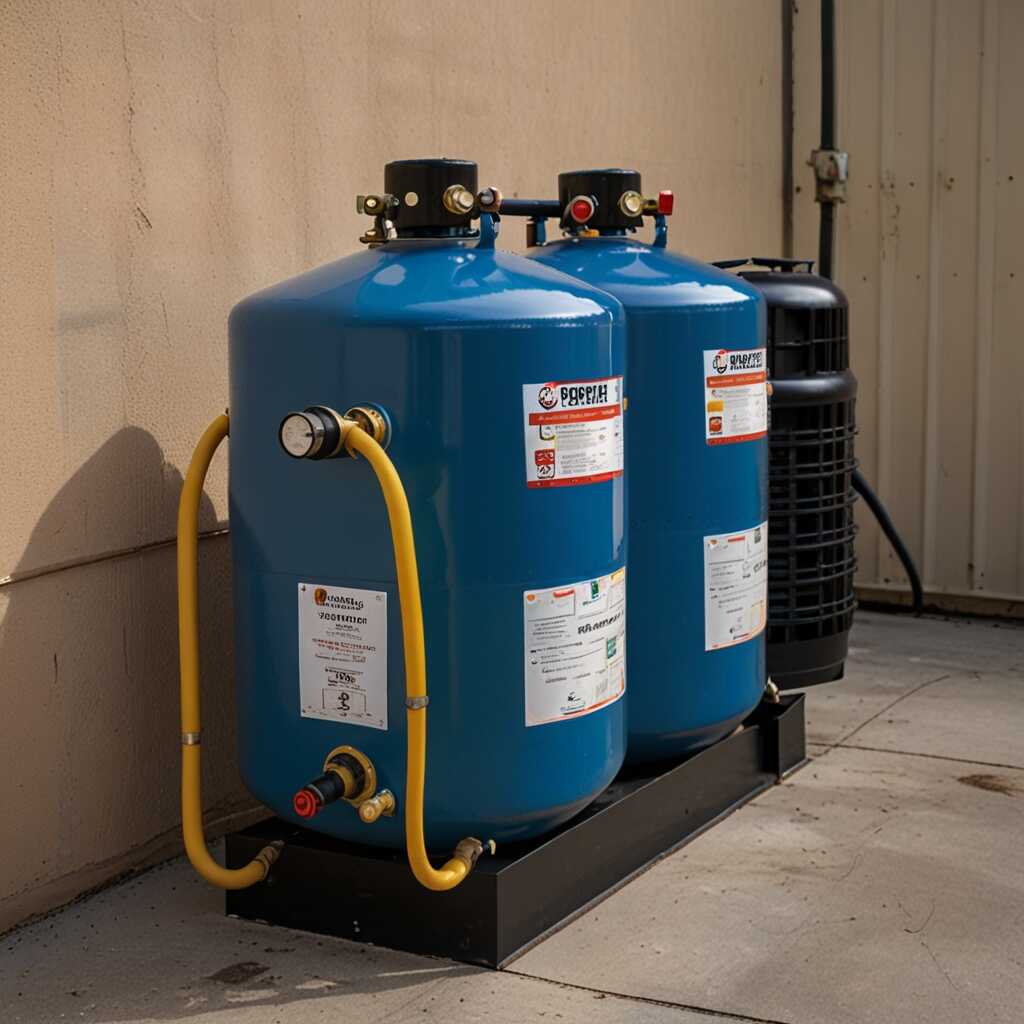
Modern refrigerant recovery machines with built-in storage compartments offer distinct advantages over traditional models, though each approach has specific applications. Traditional recovery machines typically focus solely on refrigerant extraction, requiring technicians to manage tools and accessories separately. This separation can work well for stationary shop environments where tool organization is handled through fixed storage systems. However, storage-equipped machines excel in mobile service applications where technicians must be self-sufficient across multiple job sites. The integrated approach reduces the number of items to transport and helps prevent leaving valuable tools behind.
Cost and Portability Trade-offs
The efficiency of refrigerant recovery machines with built-in storage comes with certain trade-offs that potential buyers should understand. These machines typically cost more initially due to the additional engineering and materials required for integrated storage systems. The added weight, often ranging from 15 to 30 pounds more than basic models, can impact portability, especially for technicians who frequently work in elevated locations or tight spaces. However, the time savings from improved organization often offset these disadvantages in commercial applications. Energy consumption remains similar between storage-equipped and traditional models, as the storage components don’t affect the core recovery system operation. When evaluating options, consider the total cost of ownership, including time savings, reduced tool replacement costs, and improved professional appearance.
Practical Advantages for Different Applications
- Enhanced portability for mobile service technicians who work across multiple locations.
- Improved equipment organization reduces time spent searching for specific tools.
- Better protection of expensive instruments through dedicated storage compartments.
- Reduced risk of leaving tools at job sites when everything travels together.
- Professional appearance that can enhance customer confidence and service perception.
- Potential cost savings through reduced tool replacement and improved efficiency.
- Integrated safety features that support better workplace practices and compliance.
Real-World Applications and Use Cases
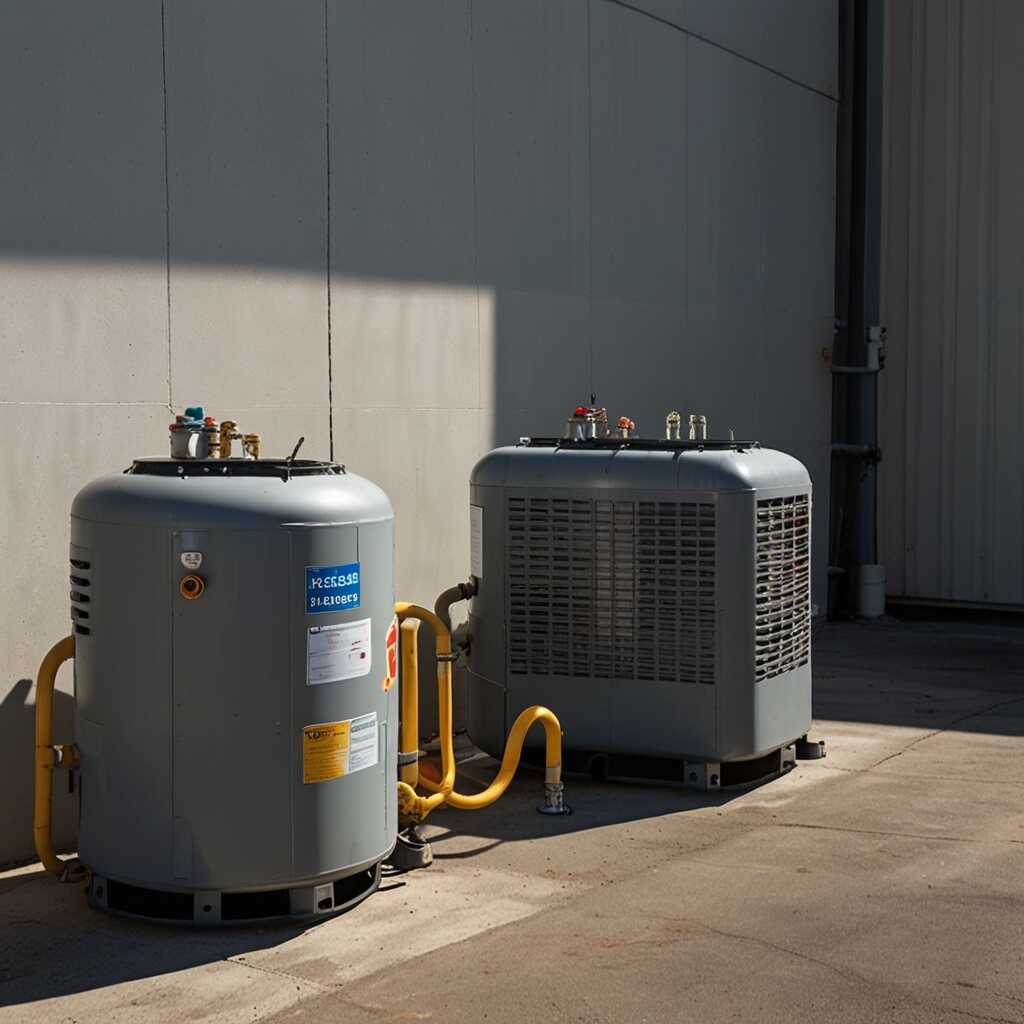
Refrigerant recovery machines with built-in storage compartments prove most valuable in specific HVAC applications and work environments. Mobile service technicians benefit significantly, as these machines serve as complete service stations that can be transported to any location. Commercial HVAC operations, where technicians service multiple units across large facilities, find the integrated storage particularly useful for maintaining organization while moving between rooftop units or mechanical rooms. The storage compartments also support training applications, allowing experienced technicians to demonstrate proper tool usage while keeping everything organized and accessible.
Optimizing Routine Maintenance Operations
Routine maintenance represents one of the most common applications where built-in storage proves its value. During preventive maintenance visits, technicians need quick access to various measurement tools, cleaning supplies, and replacement components. The organized storage approach supports systematic maintenance procedures and helps ensure that no steps are skipped due to missing tools. However, these machines may not suit all applications – they can be overkill for simple residential repairs or situations where technicians work primarily from well-equipped service vehicles. The additional complexity also means more components that could potentially require maintenance or repair over the machine’s lifespan.
Emerging Trends in Recovery Machine Design
Current developments in refrigerant recovery technology increasingly emphasize user convenience and operational efficiency. Built-in storage represents part of a broader trend toward integrated service solutions that combine multiple functions in single units. Manufacturers are exploring smart storage systems with inventory tracking capabilities and automated tool detection. Future designs may incorporate digital displays that show storage contents or alert technicians to missing components before leaving a job site. The trend toward handling multiple refrigerant types safely also influences storage design, with compartments specifically configured for different refrigerant categories and their associated tools.
The Role of Storage Integration in Modern HVAC Service
Built-in storage compartments represent a significant evolution in refrigerant recovery machine design, addressing real-world challenges faced by HVAC professionals. These compartments can hold essential equipment like recovery hoses, manifold gauges, and connection adapters while protecting them from damage and loss. The integration supports more professional service delivery and can improve customer perception of technician competence and organization. However, the technology continues evolving, with manufacturers working to balance storage capacity against weight and cost considerations. Current limitations include the fixed nature of most storage configurations and the challenge of accommodating the wide variety of tools different technicians prefer to carry.
Market Considerations and User Preferences
- Leading manufacturers focus on durability and ease of access in storage design.
- Compact models work well for residential applications with limited storage needs.
- Higher-capacity storage units serve commercial operations but increase overall machine weight.
- Portable designs appeal to technicians requiring maximum mobility and flexibility.
- HVAC contractors appreciate features that support consistent service delivery standards.
- Smaller companies often balance storage benefits against the higher initial investment required.
- Training programs benefit from the organized approach that helps demonstrate proper procedures.
Selecting the Right Recovery Machine with Storage
When selecting refrigerant recovery machines with built-in storage compartments, consider how the storage design aligns with your specific operational needs. Evaluate the types of tools you regularly use and ensure the storage compartments can accommodate them securely. Consider the trade-offs between storage capacity and overall machine weight, especially if you frequently work in locations requiring equipment transport up stairs or ladders. Cost considerations should include both the initial purchase price and the potential long-term savings from improved efficiency and reduced tool replacement costs. Compare different machine specifications and features to find the best match for your specific applications.
Critical Features for Optimal Performance
Top features of refrigerant recovery machines that include built-in storage should prioritize both recovery performance and storage functionality. Look for machines with reliable compressors capable of handling various refrigerant types while maintaining consistent recovery rates. Storage compartments should feature secure latching mechanisms, weather-resistant construction, and intuitive organization systems. Digital displays showing recovery progress and system diagnostics provide valuable operational feedback. However, consider the limitations: these machines typically cost more than basic recovery units, weigh more due to additional components, and may require more complex maintenance procedures. The storage mechanism adds potential failure points, and the fixed storage configuration may not suit all technician preferences or tool collections.