Refrigerant recovery machines with digital displays are specialized HVAC tools featuring electronic screens that show real-time pressure, temperature, and recovery data. These machines excel at precision tasks by providing instant visual feedback, eliminating guesswork common with analog gauges. For example, models like the Appion G5Twin and Robinair RG3 display exact PSI readings, recovery rates in pounds per minute, and tank fill levels simultaneously.
These digital display systems fundamentally change how technicians approach refrigerant recovery. The machines work by connecting to HVAC systems through service ports, then using built-in sensors to monitor refrigerant flow continuously. Digital processors convert sensor data into readable numbers and graphs on LCD or LED screens. This real-time monitoring allows technicians to adjust recovery speeds, detect potential issues like vapor locks, and ensure complete refrigerant removal. Most units update readings every second, providing accuracy that analog needle gauges cannot match.
Primary Benefits of Digital Display Recovery Machines
The primary benefits of digital displays include enhanced measurement accuracy, reduced human error, and faster troubleshooting capabilities. Digital screens typically show pressure readings within one PSI accuracy, compared to analog gauges that may vary by five to ten PSI. These machines also feature automatic shut-off functions triggered by precise digital parameters, preventing overcharging or equipment damage. Additionally, performance analysis becomes more reliable with digital tracking, as technicians can monitor trends and identify system irregularities immediately.
Professional HVAC technicians particularly value the multi-parameter displays that show simultaneous readings. For instance, viewing both high-side and low-side pressures together with temperature readings helps diagnose system problems during recovery. Digital displays also enable features like data logging, where machines record recovery sessions for compliance documentation. This capability proves essential for commercial work requiring detailed service records.
Essential Features in Digital Recovery Equipment
Modern refrigerant recovery machines with automatic features incorporate several critical digital components. High-resolution LCD screens measuring at least four inches provide clear visibility in various lighting conditions. Backlit displays ensure readability in dark mechanical rooms or bright outdoor settings. Essential display functions include pressure readings for both high and low sides, temperature monitoring for refrigerant and ambient conditions, recovery rate indicators showing pounds per minute, and tank weight or percentage full indicators.
Advanced models feature touchscreen interfaces allowing technicians to navigate menus, set recovery parameters, and access diagnostic functions easily. Some units include wireless connectivity, enabling remote monitoring through smartphone apps. This technology allows technicians to supervise recovery processes from safe distances when working with large commercial systems or in confined spaces.
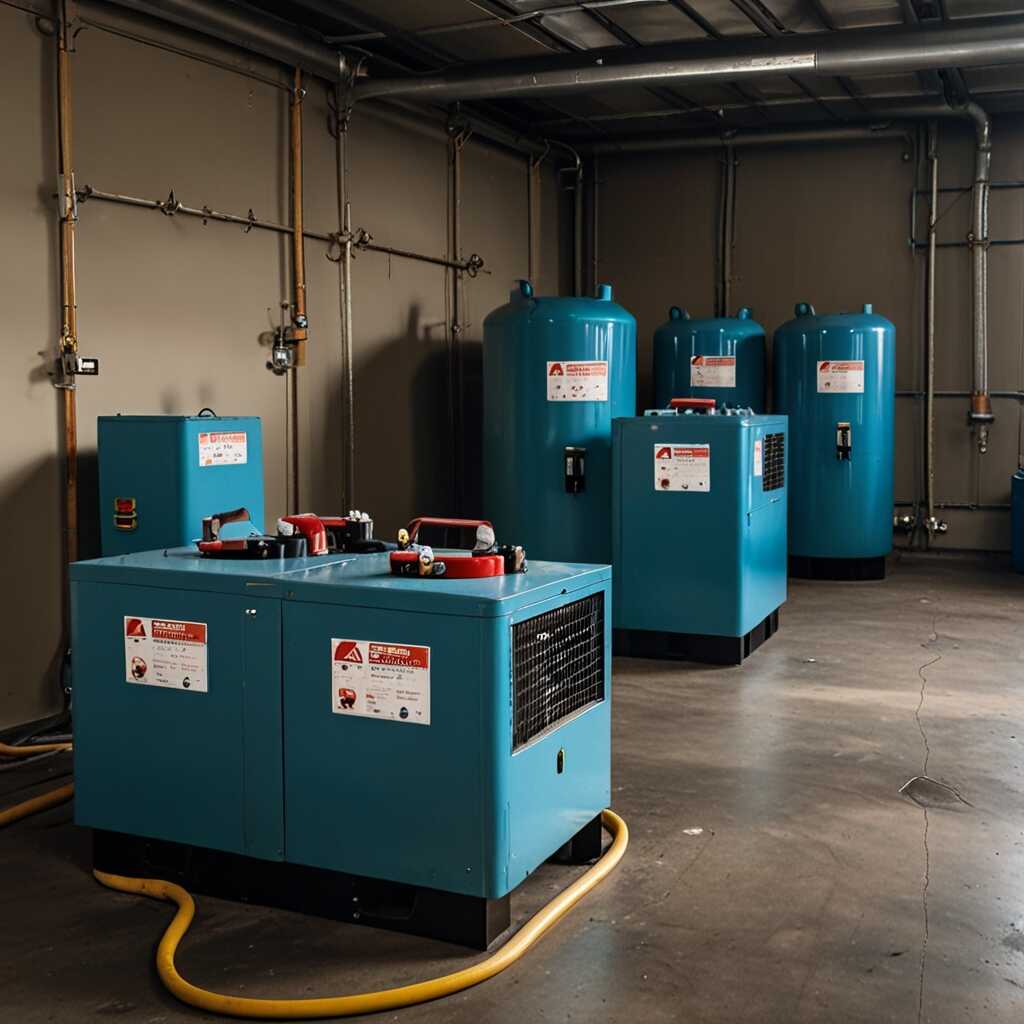
How Digital Technology Enhances Recovery Precision
Digital displays revolutionize precision in refrigerant recovery through multiple technological advantages. Real-time pressure monitoring prevents over-pressurization of recovery tanks, while digital flow meters ensure optimal recovery speeds for different refrigerant types. The technology enables micro-adjustments that analog systems cannot achieve, such as fine-tuning recovery rates based on ambient temperature changes. Testing methodology shows digital systems maintain consistency across varying environmental conditions, from hot rooftops to cold storage facilities.
Temperature compensation algorithms built into digital systems automatically adjust readings for accuracy. This feature proves crucial when recovering refrigerants in extreme temperatures, where analog gauges may provide misleading readings. Digital displays also incorporate refrigerant-specific calculations, showing technicians exactly how much refrigerant remains in systems based on pressure-temperature relationships. This precision reduces refrigerant loss and ensures environmental compliance.
Operational Advantages Over Analog Systems
Digital recovery machines offer significant operational improvements compared to analog models. Setup time decreases because technicians can quickly verify all parameters on one screen rather than checking multiple analog gauges. Digital alarms alert users to abnormal conditions like high discharge temperatures or low recovery rates, preventing equipment damage and improving safety. The displays typically show error codes that help diagnose problems immediately, reducing downtime.
Data recording capabilities represent another major advantage. Digital machines can store recovery session data including date, time, refrigerant type, amount recovered, and system pressures. This information transfers to service reports automatically, eliminating manual record-keeping errors. For fleet operations, this feature enables managers to track technician performance and equipment utilization across multiple job sites.
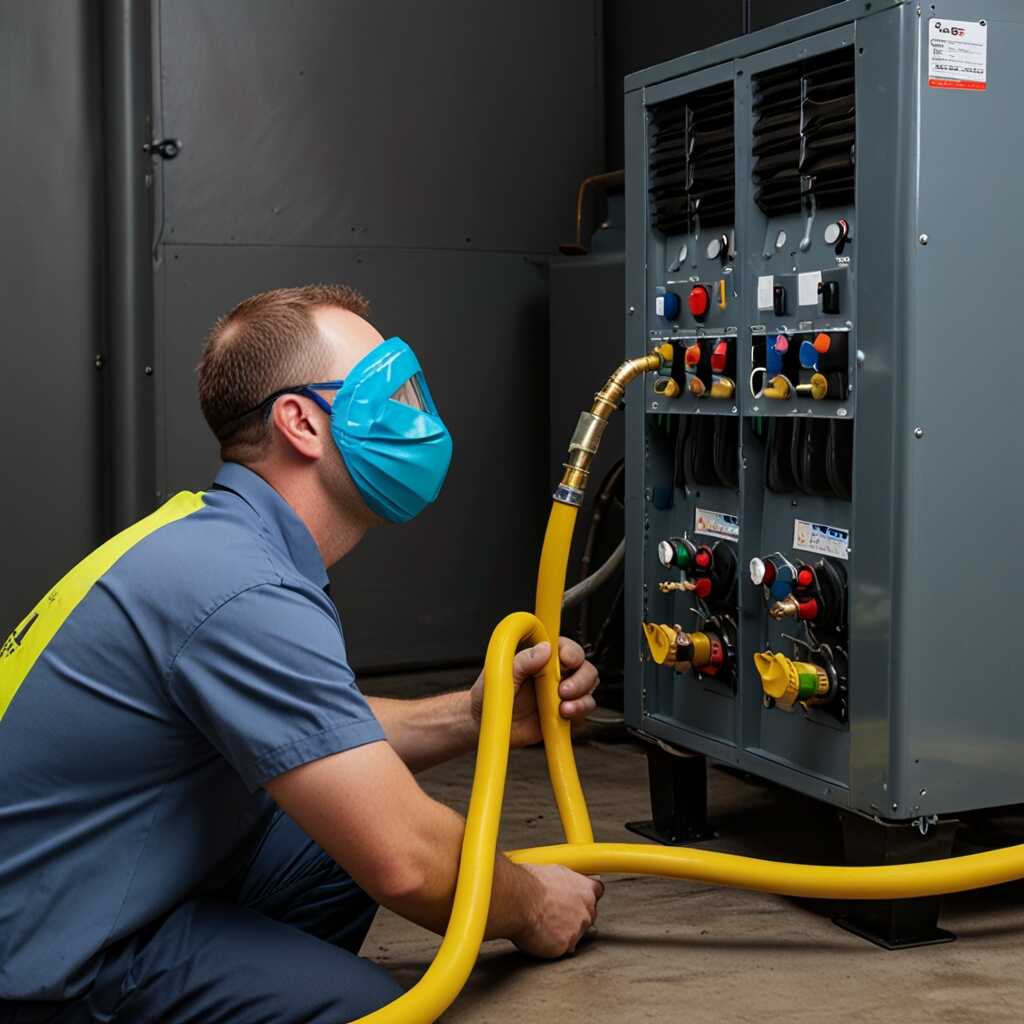
Investment Considerations for Digital Recovery Machines
Digital display recovery machines typically cost between $800 and $3,000, depending on features and capacity. Entry-level digital models start around $800 to $1,200, offering basic digital pressure displays and simple interfaces suitable for residential work. Mid-range units priced from $1,500 to $2,200 include touchscreens, data logging, and multi-refrigerant capabilities ideal for commercial applications. Premium machines costing $2,500 to $3,000 feature wireless connectivity, advanced diagnostics, and high recovery rates necessary for industrial use.
When comparing costs, analog machines generally range from $400 to $1,000, making digital models a higher initial investment. However, the enhanced accuracy and efficiency of digital systems often justify the price difference through reduced service time and fewer callbacks. Many technicians report completing recovery jobs 20 to 30 minutes faster with digital displays, translating to additional service calls per day. The data logging features also reduce administrative time spent on documentation.
Return on Investment Factors
Several factors influence the return on investment for digital display refrigerant recovery equipment. Reduced refrigerant loss through precise monitoring saves money on replacement refrigerants, particularly with expensive alternatives like R-410A or R-32. Fewer warranty callbacks result from accurate recovery and charging, protecting profit margins. The professional appearance of digital equipment can also justify higher service rates, as customers perceive greater value in technicians using advanced tools.
Compliance documentation becomes simpler with digital records, potentially avoiding regulatory fines. Insurance companies may offer reduced premiums for businesses using equipment with digital safety features. Additionally, the longer lifespan of digital machines due to protective shut-off features and better maintenance tracking often extends replacement cycles by two to three years compared to basic analog units.
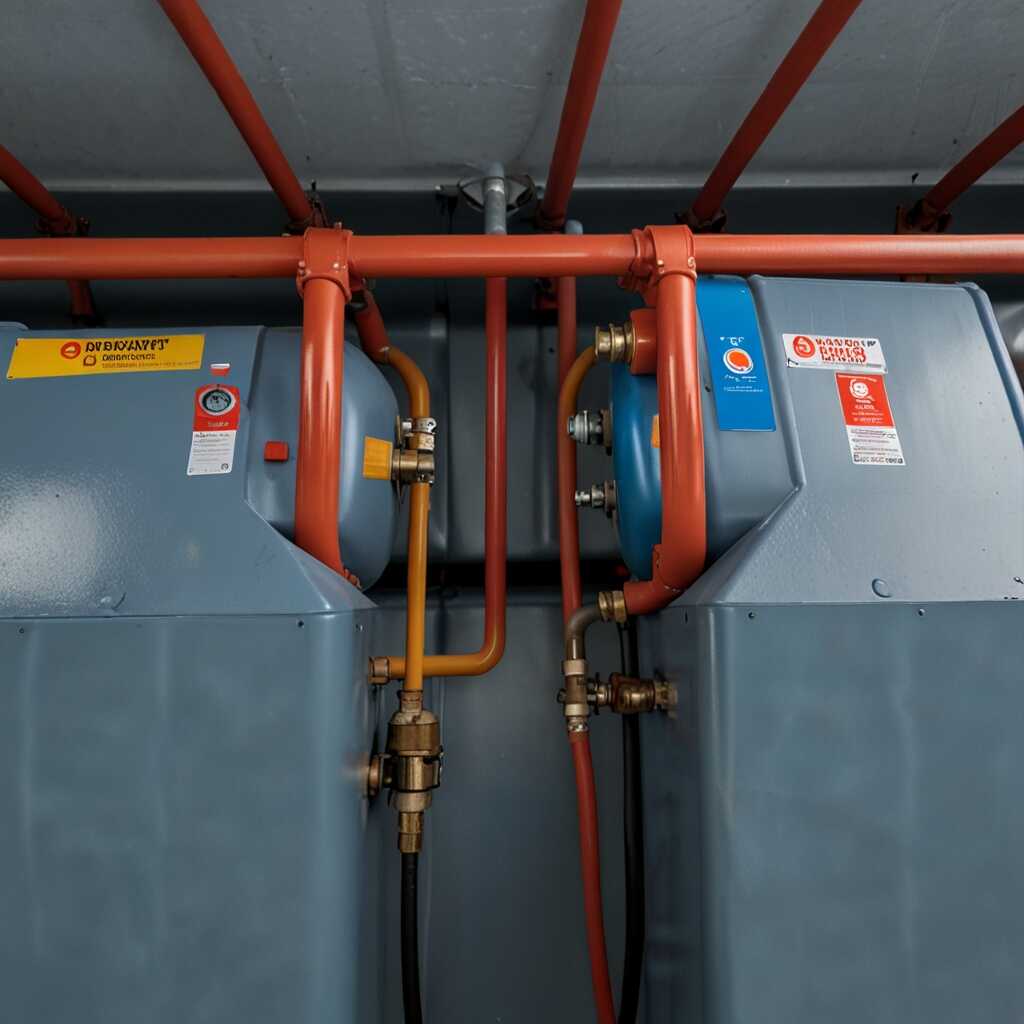
Selecting the Right Digital Recovery Machine
Choosing an appropriate refrigerant recovery machine requires evaluating specific job requirements and technical specifications. For residential service, compact units with basic digital displays showing dual pressure readings and recovery rates suffice. Commercial technicians need machines displaying multiple parameters simultaneously, including superheat calculations and refrigerant-specific data. Industrial applications demand high-capacity units with extensive data logging and remote monitoring capabilities.
Screen size and visibility rank among top selection criteria. Displays should be readable from at least three feet away and include adjustable brightness. Button or touchscreen responsiveness matters in cold conditions where technicians wear gloves. Battery life for portable displays should exceed eight hours of continuous use. Durability ratings like IP54 or higher ensure displays withstand refrigerant oil exposure and outdoor conditions.
Recommended Features by Application Type
Residential HVAC technicians benefit most from digital machines featuring automatic refrigerant identification, simple menu navigation, and basic pressure/temperature displays. These units should weigh under 30 pounds for easy transport between service calls. Commercial service requires machines with programmable recovery sequences, multiple refrigerant compatibility, and comprehensive data export options. Look for models supporting both vapor and liquid recovery with automatic switching.
Specialized applications need specific features. Automotive AC technicians require machines displaying precise charge weights for small systems. Refrigeration technicians working with cascade systems need dual-circuit monitoring capabilities. Supermarket refrigeration specialists benefit from machines that can handle multiple refrigerant types without cross-contamination, featuring automatic purge cycles between recoveries.
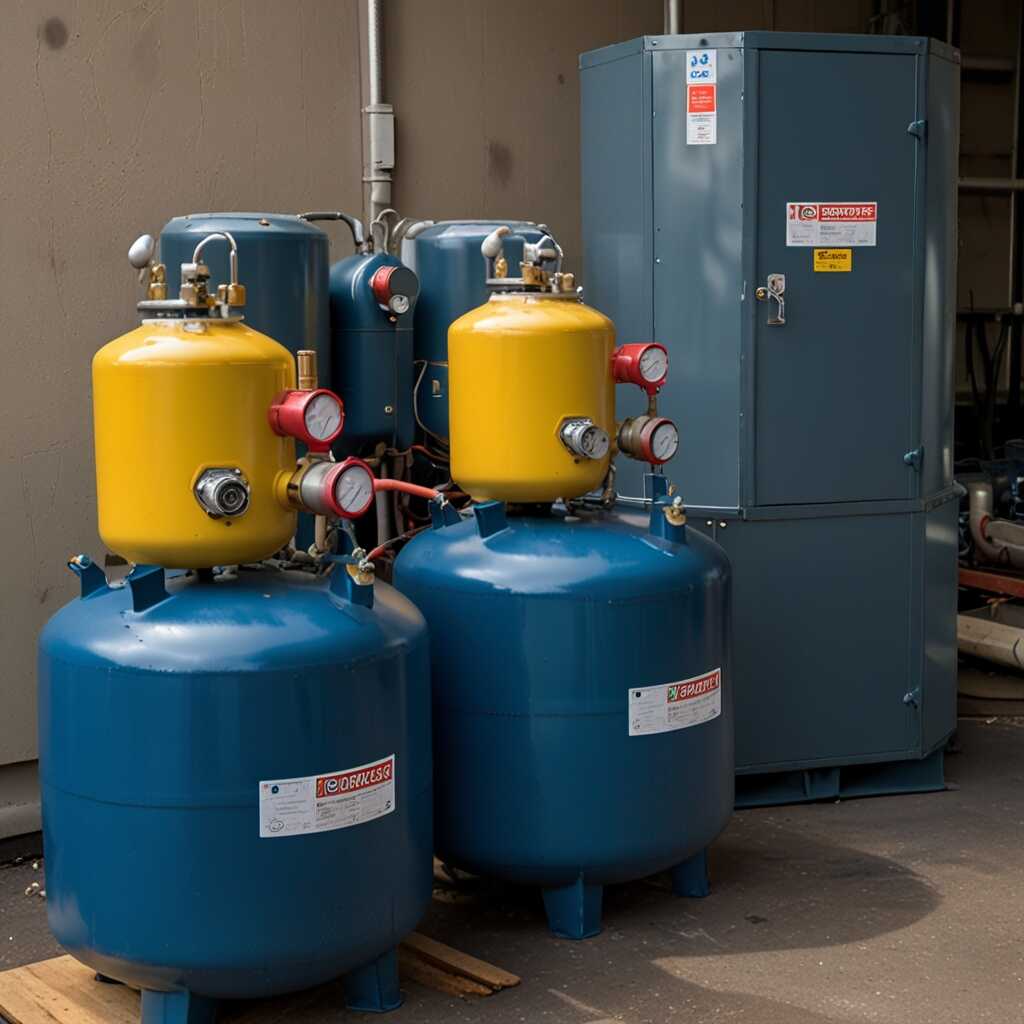
Understanding Limitations of Digital Display Systems
Despite numerous advantages, digital display recovery machines have certain limitations technicians should consider. Electronic displays can fail in extreme temperatures, particularly below -10°F or above 120°F, where LCD screens may freeze or blackout. Moisture infiltration poses risks to electronic components, potentially causing display malfunctions or complete failure. Unlike simple analog gauges that function mechanically, digital displays require power, making battery life a critical consideration for extended jobs without access to outlets.
Digital complexity sometimes creates challenges for technicians accustomed to analog equipment. Menu navigation and parameter settings can slow initial operations until users become familiar with interfaces. Software glitches occasionally occur, requiring system resets that interrupt recovery processes. Additionally, warranty coverage for electronic components typically spans shorter periods than mechanical parts, potentially increasing long-term maintenance costs.
When Analog Systems Remain Practical
Certain situations favor traditional analog recovery machines over digital models. Emergency service calls in severe weather conditions may require the reliability of mechanical gauges unaffected by temperature extremes. Budget-conscious startups might choose analog equipment to minimize initial investment while building their business. Some experienced technicians prefer analog gauges for specific diagnostic procedures where needle movement patterns indicate system behaviors that digital numbers cannot convey.
Analog machines excel in dusty or corrosive environments where digital displays might fail prematurely. Simple mechanical systems also prove advantageous in remote locations where electronic repair services are unavailable. For basic recovery tasks on older equipment with known refrigerant charges, analog machines provide adequate functionality without the complexity of digital interfaces.
Maintaining Digital Recovery Machines for Optimal Performance
Proper maintenance of digital display components ensures long-term reliability and accuracy. Screen cleaning requires appropriate materials to prevent scratching or chemical damage to LCD surfaces. Use microfiber cloths with approved electronic cleaners, avoiding ammonia-based products that can damage screen coatings. Protective screen films help prevent scratches during transport and field use. Regular calibration checks comparing digital readings against certified test gauges maintain measurement accuracy.
Software updates represent critical maintenance tasks often overlooked by technicians. Manufacturers periodically release firmware updates addressing bugs, adding features, or improving refrigerant databases. These updates typically install through USB ports or wireless connections, requiring only minutes to complete. Maintaining current software ensures compatibility with new refrigerant types and regulatory requirements. Document all updates in equipment logs for warranty and compliance purposes.
Troubleshooting Common Digital Display Issues
Digital display problems often stem from correctable causes rather than component failures. Dim or flickering screens frequently indicate low battery voltage or loose power connections. Check and clean battery terminals regularly, replacing batteries according to manufacturer schedules. Unresponsive touchscreens may result from moisture or oil contamination requiring thorough cleaning with appropriate solvents. Cold temperatures can slow LCD response times, requiring brief warm-up periods before use.
Error codes appearing on digital displays provide diagnostic starting points. Common codes indicate sensor failures, communication errors, or out-of-range readings. Consult manufacturer documentation for specific code meanings and resolution procedures. Many issues resolve through simple system resets or sensor cleaning. Persistent errors may require professional calibration or component replacement. Maintain relationships with authorized service centers for complex repairs beyond field troubleshooting capabilities.
Emerging Trends in Digital Recovery Technology
The future of refrigerant recovery machines includes advanced features currently entering the market. Artificial intelligence integration enables predictive maintenance alerts based on usage patterns and performance degradation. Cloud connectivity allows real-time data sharing between field technicians and office staff, streamlining job documentation and inventory management. Augmented reality displays projected onto safety glasses may soon guide technicians through complex recovery procedures while keeping hands free for work.
Manufacturers are developing modular digital systems allowing customized configurations for specific applications. Technicians could select display modules, sensor packages, and connectivity options matching their service requirements. Voice control integration enables hands-free operation in situations where touching controls proves impractical. Advanced materials like flexible OLED displays promise improved durability and visibility in challenging environments. These innovations aim to further enhance precision, efficiency, and safety in refrigerant recovery operations.