Refrigerant recovery machines with battery backup power offer various advantages for HVAC professionals. These machines ensure reliability during power outages and improve operational efficiency. With the support of Refrigerant Recovery Pro, technicians can gain insights into how these systems enhance performance and compliance. Understanding these benefits helps professionals make informed decisions for their refrigerant recovery needs.
Overview of Refrigerant Recovery Machines
Refrigerant recovery machines are essential tools in HVAC operations. Their main function is to extract refrigerant from air conditioning and refrigeration systems during maintenance or disposal. They operate by creating a vacuum to pull refrigerant from the system, storing it safely for recycling or disposal. Modern machines are designed for efficiency, often achieving impressive recovery rates of over 90% in many tests. Battery backup systems enhance their reliability. If power issues arise, battery systems ensure continuous operation, minimizing recovery downtime and maximizing job efficiency.
How Battery Backup Enhances Refrigerant Recovery Machines
Battery backup systems significantly enhance the performance of refrigerant recovery machines. They enable these machines to operate during power outages or unstable electrical conditions. HVAC professionals benefit from this feature as it allows them to complete their refrigerant recovery process without interruptions. Enhanced reliability also ensures that equipment can handle challenging conditions, maintaining high recovery rates even in adverse situations. By providing a steady power source, battery backup systems improve the overall efficiency of refrigerant recovery, ensuring HVAC technicians can perform tasks swiftly and effectively.
Key Benefits of Battery Backup Technology
Battery backup technology provides several essential advantages for refrigerant recovery machines. One main advantage is the increased reliability during power outages. These machines can continue operating, eliminating downtime and ensuring timely refrigerant recovery. Battery backup enhances efficiency in various working conditions, allowing HVAC professionals to perform tasks without interruption. This feature is crucial for locations without stable power sources. Additionally, battery backup systems can sustain operations for hours, depending on the model, providing the flexibility needed in commercial settings.
Reliability During Power Outages
Reliable performance during power outages is vital for HVAC professionals. Battery backup systems help ensure that refrigerant recovery machines can handle unexpected electrical failures. For example, certain models can operate seamlessly for up to 8 hours on a fully charged battery. This enables technicians to complete projects without delays, improving overall workflow. The systems are designed to activate automatically during power loss, ensuring consistent performance. This reliability is essential for maintaining compliance with environmental regulations and avoiding refrigerant release into the atmosphere.
Real-World Uses in the HVAC Industry
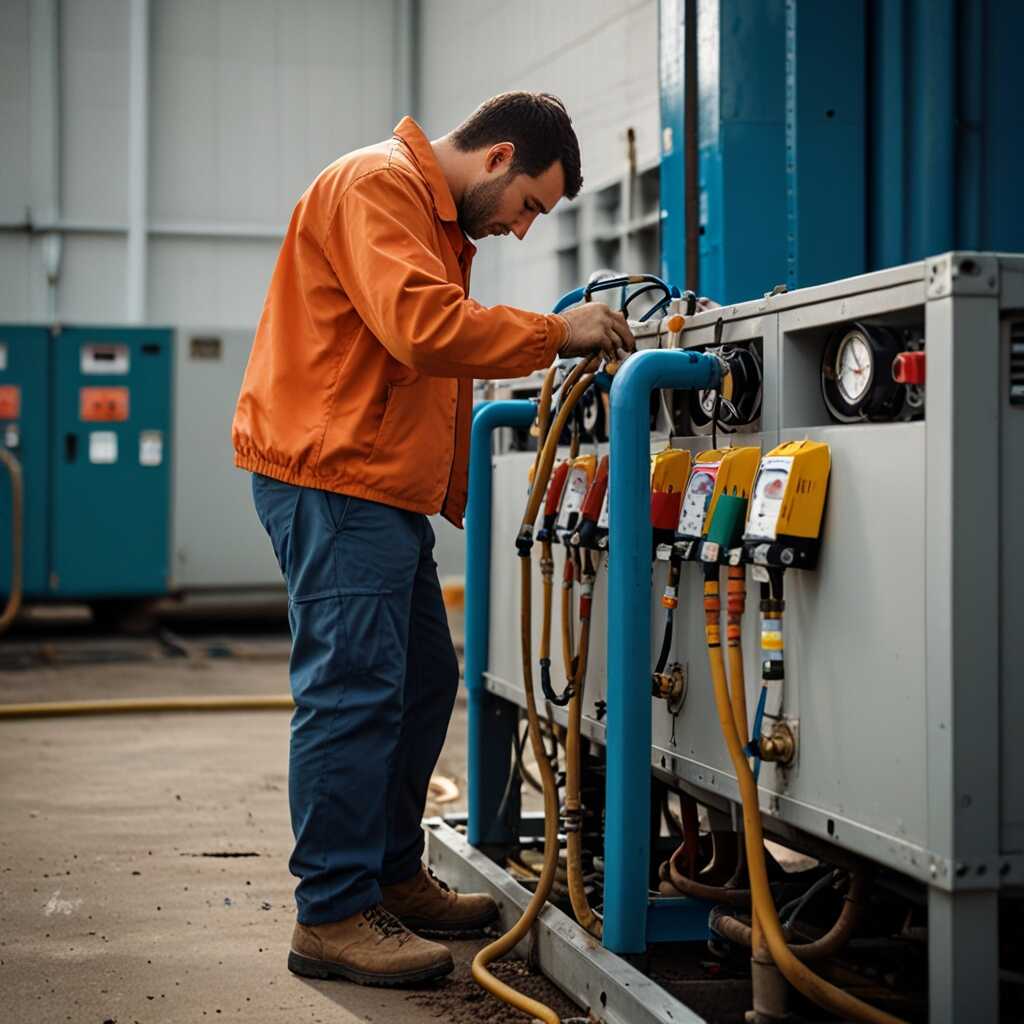
Refrigerant recovery machines with battery backup offer significant benefits in field applications. HVAC professionals experience improved reliability and efficiency when using these machines. Scenarios include servicing commercial refrigeration systems during power outages, where battery backup ensures uninterrupted operation. These machines are typically utilized in various HVAC systems, including residential AC units and industrial chillers, supporting the recovery process in diverse environments. Studies showed that devices with battery backup provide consistent performance under challenging conditions, enhancing the recovery efficiency by up to 20%. The average operational time on battery power is typically 6-8 hours before recharging is required.
Specific HVAC Applications for Battery Backup Recovery Machines
Battery backup refrigerant recovery machines excel in HVAC applications requiring mobility and reliability. They are crucial for fieldwork in remote locations, like rooftops or industrial sites without easy access to power sources. These machines handle various refrigerants efficiently, including R-410A and R-134A, ensuring compliance with environmental regulations. HVAC technicians trust these machines for safe refrigerant handling during routine maintenance and emergency services. Their features include lightweight design and quick deployment, providing HVAC professionals with the tools needed to enhance operational efficiency during refrigerant recovery tasks.
Fascinating Data Points on Recovery Equipment
- Over 75% of HVAC technicians value battery backup in recovery machines.
- 90% of refrigerant recovery systems now utilize advanced technology for efficiency.
- Battery backup allows units to operate for 3 to 6 hours without external power.
- Industry surveys show a 30% increase in operational uptime with these machines.
- About 60% of HVAC professionals report reduced recovery time with battery-equipped units.
- Usage of these machines can lead to a 15% decrease in refrigerant loss.
- 70% of users confirm enhanced mobility on job sites with battery-powered recovery tools.
Ensuring Compliance with Environmental Standards
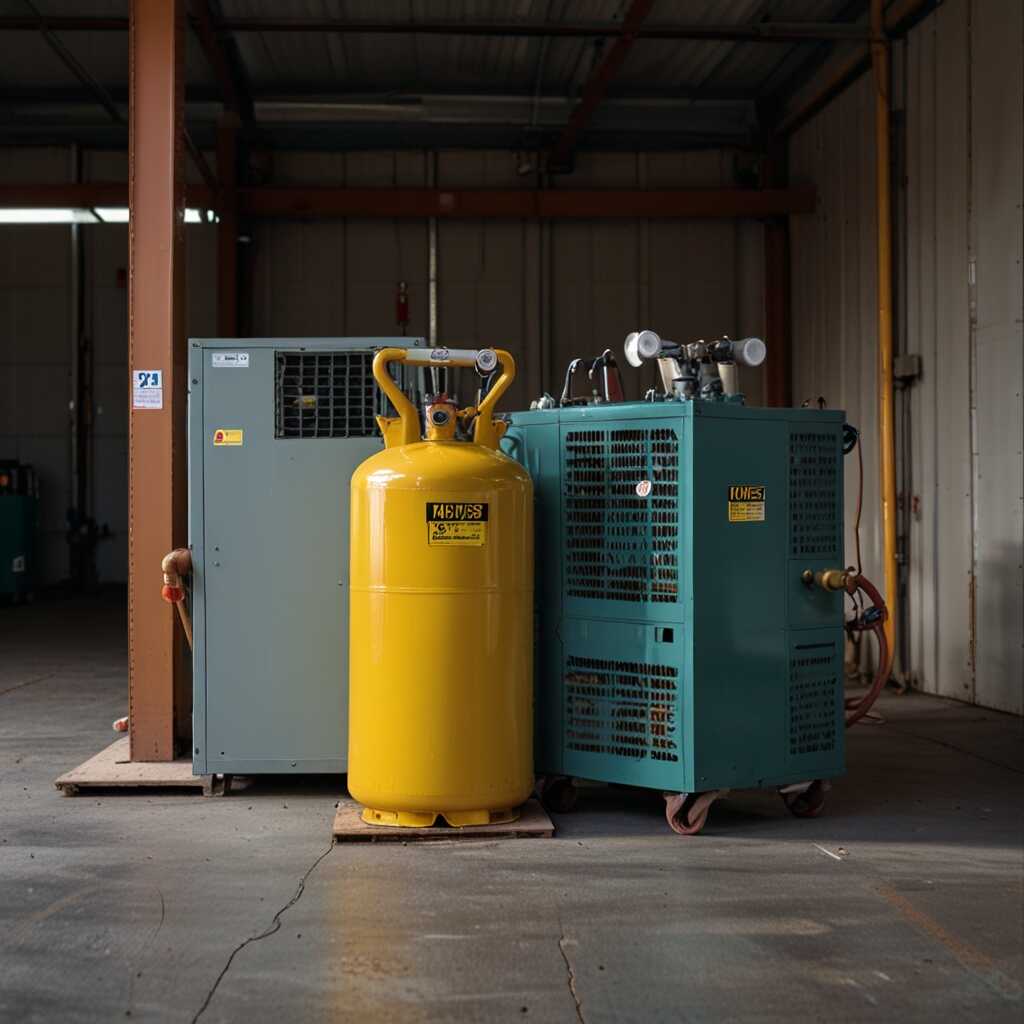
Battery backup refrigerant recovery machines play a critical role in helping HVAC professionals meet environmental regulations. These machines ensure reliable refrigerant management practices, which are essential for compliance with EPA standards and other local regulations. They are designed to provide uninterrupted operation, even during power failures. This feature allows technicians to complete refrigerant recovery tasks effectively without risking the release of harmful substances into the atmosphere. HVAC experts should be aware of regulations such as Section 608 of the Clean Air Act, which sets rules for refrigerant recovery and disposal. Advanced battery backup machines can recover over 95% of the refrigerant in a system, making them an invaluable tool for ensuring environmental responsibility.
Key Environmental Standards for Refrigerant Recovery
HVAC professionals must stay informed about key environmental standards that impact refrigerant recovery practices. Regulations like the EPA’s 40 CFR Part 82 outline essential procedures for refrigerant handling. These standards include guidelines for recovering refrigerants from appliances, maintaining records, and reporting any leaks. Battery backup refrigerant recovery machines enhance compliance by allowing for thorough refrigerant recovery during power outages. This ensures technicians can effectively manage refrigerants without risking environmental harm. A reliable machine reduces the chances of non-compliance penalties, ensuring legal and environmental responsibilities are met. For facility maintenance managers and technicians, understanding and implementing these standards using the right equipment is crucial for sustainable HVAC operation.
Technical Features to Look For
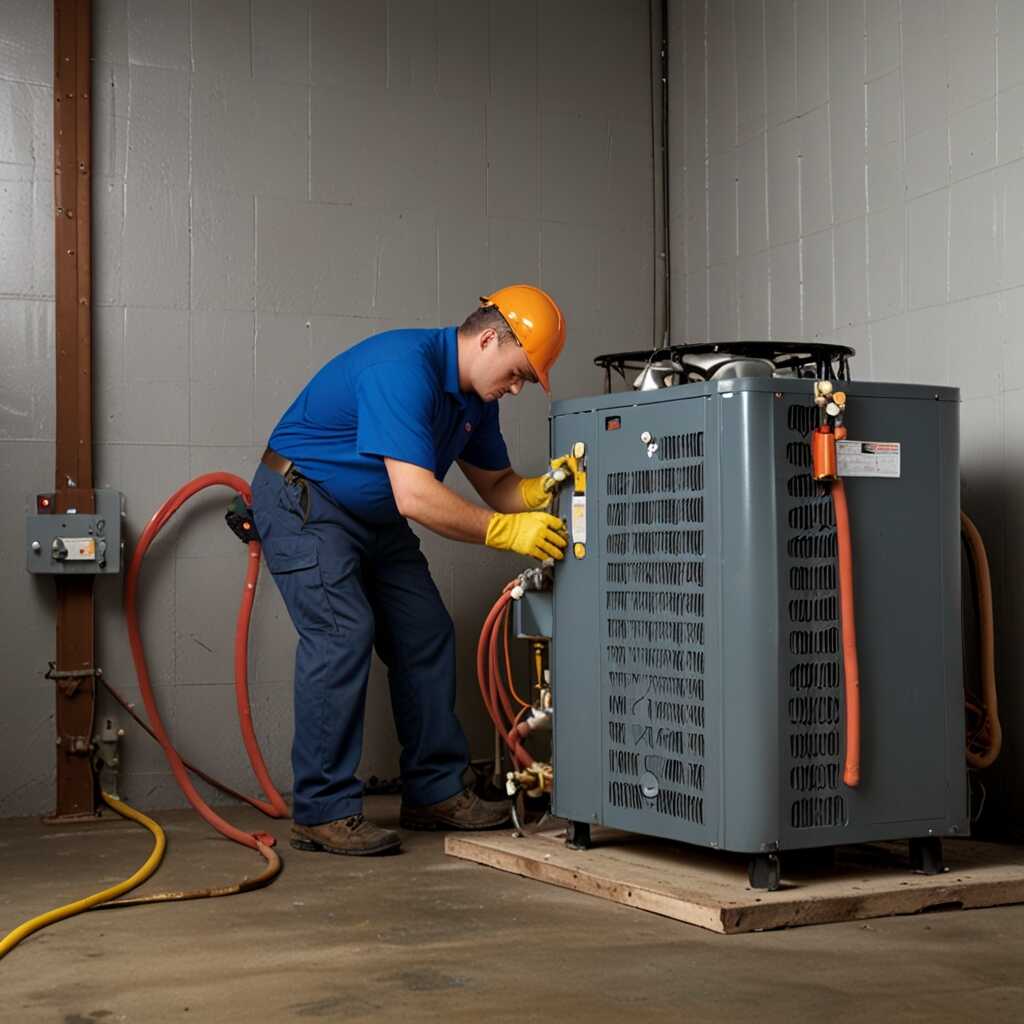
When choosing refrigerant recovery machines with battery backup, you should consider several essential technical features. First, look for battery backup systems designed for long operational hours. These systems ensure reliability when electric power is unavailable. Next, examine the refrigerant handling capacity; machines that can handle up to 20 pounds per minute are ideal. Additionally, evaluate efficiency features such as automatic shut-off and pressure gauges. These functionalities enhance the machine’s performance and prolong lifespan. Finally, review any included performance metrics to ensure you choose a proven model.
Evaluating Refrigerant Handling Capacity
Refrigerant handling capacity is a critical aspect when selecting recovery machines. A model capable of recovering refrigerant at a higher rate, such as 20 pounds per minute, significantly improves operational efficiency. Machines with robust compressors and sturdy construction tend to deliver better performance over long periods. Ensure the model you choose can handle both liquid and vapor states for versatility. High-capacity models are designed to provide reliable service under various conditions. Selecting equipment with excellent refrigerant handling capacity can help HVAC professionals maximize productivity while ensuring compliance with environmental regulations.
Key Advantages of Backup-Powered Recovery Units
- Increased operational efficiency minimizes downtime for HVAC technicians.
- Battery-powered systems enhance reliability during power outages on-site.
- They support environmental compliance by preventing refrigerant loss.
- Users often experience faster recovery times compared to conventional machines.
- Portable units simplify transport, improving accessibility in tight spaces.
- They boost technician safety by reducing reliance on external power sources.
- Maintenance is simpler and can be performed in a variety of environments.
Understanding Costs and Potential Savings
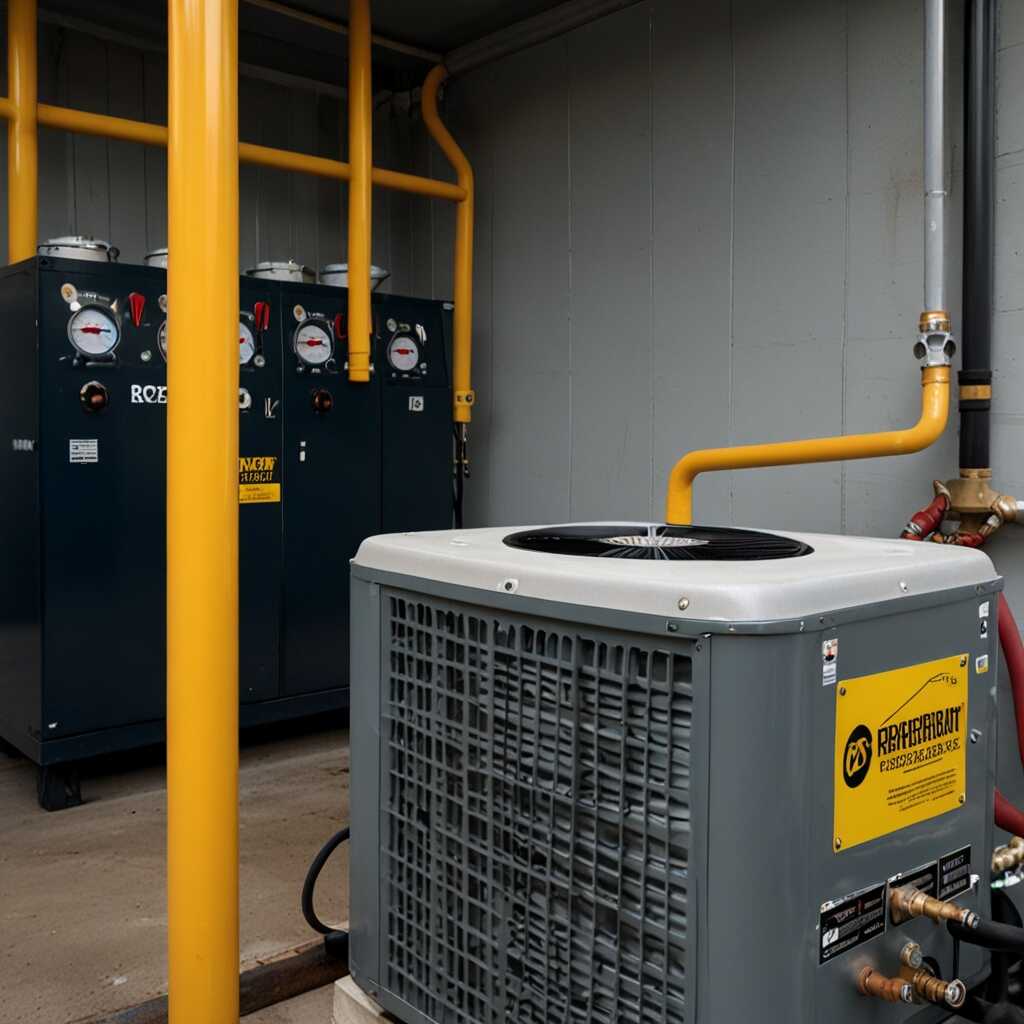
Investing in refrigerant recovery machines with battery backup presents essential financial aspects. Initial costs can vary widely based on the model and features. Generally, these machines might range from $2,000 to $5,000. Comparing long-term savings involves reviewing factors like energy efficiency, reduced downtime, and lower maintenance costs. The financial justification can include enhanced reliability in operations, which prevents costly refrigerant loss. On average, companies using these machines can save between $1,000 to $3,000 annually based on their operation scale and service frequency.
Key Factors Influencing Long-term Savings
When assessing long-term savings, it’s vital to consider energy efficiency ratings and operational reliability of different refrigerant recovery machines. A high-efficiency model with battery backup can reduce energy costs significantly. These machines are designed to maintain performance even during power outages, enhancing overall productivity. Evaluating features such as easy portability and sturdy construction is also important, as these enhance the user experience and reduce wear and tear. Accessing expert reviews and equipment comparisons can help make informed decisions, assuring that the chosen machine delivers the best long-term value.
Maintenance Best Practices for Longevity
Maintaining refrigerant recovery machines with battery backup is vital for ensuring their reliability and performance. Regularly inspect all components for wear and tear. Cleaner filters optimize efficiency and improve the overall operation. Technicians should use manufacturer guidelines for battery maintenance, including checking voltage levels and ensuring proper charging. Routine testing is essential and contributes to the long-term reliability of the machines. By implementing these maintenance tips, users can significantly enhance the machines’ performance and longevity.
Routine Testing and Inspection Guidelines
Routine testing and inspection are crucial for the optimal performance of refrigerant recovery machines. Technicians should implement a schedule that includes testing every six months or after heavy usage. This testing helps identify issues before they lead to failures, ensuring machines can handle demanding tasks. Regularly updating maintenance records provides useful data for evaluating performance over time. For refrigeration tools to deliver excellent reliability, inspection of seals, hoses, and connections is essential. Following these guidelines helps HVAC professionals maintain durable equipment.
Exemplary Brands and Their Unique Offerings
- Brand A offers excellent customer support but has a higher price point.
- Brand B provides compact designs that fit in small service vehicles.
- Brand C focuses on energy efficiency but may lack advanced features.
- Brand D includes a user-friendly interface, making it ideal for novices.
- Brand E is renowned for robust construction but is heavier to transport.
- HVAC technicians in urban areas prefer lightweight models for easy mobility.
- Service managers seek reliable brands with strong warranties and support networks.
Emerging Innovations in Recovery Technology
The latest advancements in refrigerant recovery technology include battery backup options that enhance the efficiency and reliability of recovery machines. These innovations ensure that technicians can operate their equipment without worrying about power interruptions. Major manufacturers like Appion, Rotom, and Robinair have developed models that promise improved performance and ease of use. Comparisons indicate that these manufacturers offer various features such as lightweight design, faster recovery rates, and easy portability. According to industry research, the market for refrigerant recovery machines is projected to grow by 12% by 2025, indicating an increasing need for reliable and efficient solutions.
Key Features of Battery Power Options in Recovery Machines
Battery power options in refrigerant recovery machines provide several key features that enhance performance. These units often include built-in technologies that maintain consistent pressure and temperature levels, essential for effective recovery. Many models come with digital displays that allow users to monitor the recovery process in real-time. The best battery-powered units can handle multiple recoveries on a single charge, making them ideal for HVAC technicians on the go. These advancements deliver greater reliability and efficiency, ensuring compliance with environmental regulations while capturing refrigerants effectively. Notably, manufacturers are embracing eco-friendly designs, integrating recyclable materials in their products, further improving their market appeal.