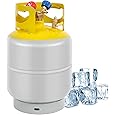
VIVOHOME VH471-GY 110-120V AC 60Hz 3/4HP Single-Cylinder Portable Refrigerant Recovery Machine
Category: Refrigerant Recovery
Check Current PriceChoose this compact, efficient unit for most automotive and residential AC jobs. It works best when you need fast, portable refrigerant handling. This advice centers on Refrigerant Recovery tool selection and practical compatibility.
When to Choose the VIVOHOME VH471-GY for Automotive AC Repairs
VIVOHOME VH471-GY 110-120V AC 60Hz 3/4HP Single-Cylinder Portable Refrigerant Recovery Machine handles fast automotive AC evacuations reliably. Technicians recover both vapor and liquid refrigerants quickly, which reduces shop time on common service jobs. The reviewed unit includes dual-stage filtration and a precision gauge that help keep recovered refrigerant cleaner and monitoring precise. Built-in safety offers like an overcurrent cutout and a high-pressure auto shut-off at 558 PSI protect equipment and speed safe service operations.
Key technical specifications and safety limits for vehicle service
- Motor: 3/4 HP (single-cylinder, oil-less, air-cooled piston compressor)
- Voltage: 110-120V AC, 60Hz
- Maximum pressure auto shut-off: 38.5 bar / 558 PSI
- Filtration: dual-stage (filter drier + inlet-port filter screen)
- Refrigerant compatibility: R12, R22, R134a, R410A, R401B, R402B, R404A, R402A, R509
What vehicle models and AC compressors is it compatible with?
VH471-GY recovers refrigerant from common passenger-car and light-truck compressors successfully. Use it on vehicles with factory fixed-orifice or expansion-valve systems such as Honda, Ford, Toyota, and GM models. The machine supports compressors that accept common service ports for R134a and R12 retrofit systems, covering most domestic and import passenger cars. Avoid heavy-duty diesel or large commercial truck AC systems because capacity and flow-rate specifications for those jobs are not published by the manufacturer.
Deciding between portable pumps for residential and automotive AC
VIVOHOME VH471-GY 110-120V AC 60Hz 3/4HP Single-Cylinder Portable Refrigerant Recovery Machine suits small residential and automotive jobs. Choose this unit when portability and 110-120V compatibility outweigh the need for published flow-rate data. Check free-air displacement or CFM (cubic feet per minute) for larger home systems to ensure acceptable evacuation speed. This portable unit lacks published flow-rate and weight specifications, so verify performance on larger residential condensers before committing to large jobs.
How do flow rate and vacuum depth affect car and home tasks?
VH471-GY Refrigerant Recovery Machine determines evacuation speed and achievable vacuum depth, impacting service time. Higher flow (CFM) clears systems faster; deeper vacuum (inches Hg) removes moisture and non-condensables that harm compressor life. For cars, modest flow and about 29 inches Hg vacuum usually suffice for effective evacuation. For large residential systems, choose pumps with published CFM and deeper vacuum ratings so you reach target evacuation within reasonable time.
VIVOHOME VH471-GY suitability for DIY home AC and car service
VIVOHOME VH471-GY 110-120V AC 60Hz 3/4HP Single-Cylinder Portable Refrigerant Recovery Machine fits experienced DIYers’ small AC projects. Beginner DIYers should learn safe refrigerant handling and legal requirements before using a recovery unit, because improper recovery can violate regulations. The model’s waterproof feet, ergonomic handle, and auto shut-off increase reliability and make transport easier between a driveway and a garage. Remember the manufacturer does not publish flow-rate, weight, or included accessories, so plan to buy gauges, hoses, and recovery cylinders separately.
What safety practices should I follow when using a pump at home?
This portable refrigerant recovery machine reduces risk when you follow ventilation, PPE, and correct service procedures. Always work outdoors or in well-ventilated areas and avoid breathing refrigerant vapors directly, because many refrigerants displace oxygen and can cause dizziness. Use chemical-resistant gloves and safety glasses, and verify recovery cylinder tightness before connecting hoses to avoid leaks. Disconnect power, confirm pressure readings, and follow EPA-certified procedures for refrigerant handling to prevent accidental overpressure or illegal venting.
Common follow-up questions readers search for next
Can I use this unit on R410A heat pumps and what limitations apply? The VH471-GY lists R410A compatibility, but R410A systems run at higher pressures, so confirm the 558 PSI auto shut-off suits your service needs and test on a non-critical system first. If you service many R410A systems, prioritize a unit with published CFM and certified high-pressure ratings to avoid repeated cut-outs or slow recovery.
How long does recovery take and what additional tools will I need? Recovery time depends on system size and pump flow; without CFM data estimate 15-45 minutes for a typical car AC and longer for residential splits. Bring a manifold gauge set, service hoses rated for applicable refrigerants, a DOT-rated recovery cylinder, leak detector, and a vacuum pump or micron gauge when aiming for deep evacuations; these tools improve accuracy and safety.