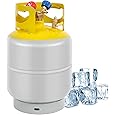
VIVOHOME 110-120V AC 60Hz 3/4HP Single Cylinder Portable Refrigerant Recovery Machine, Red
Category: Refrigerant Recovery
Check Current PriceVIVOHOME 110-120V AC 60Hz 3/4HP Single Cylinder Portable Refrigerant Recovery Machine, Red suits mobile technicians.
It recovers both vapor and liquid refrigerants using a 3/4 HP oil-less compressor.
This tool belongs to Refrigerant Recovery tools for HVAC, automotive AC, and chiller service.
VIVOHOME 110-120V AC 60Hz 3/4HP recovery pump benefits for mobile tech
The 110-120V AC 60Hz 3/4HP model speeds Refrigerant Recovery for field service with safe auto shut-off.
Its oil-less piston compressor, dual-stage filters, and 558 PSI auto shut-off protect systems and techs.
This recovery pump reduces cycle time for automotive and residential HVAC work, improving productivity.
Key specifications and supported refrigerants
- Power supply: 110-120V AC, 60Hz
- Compressor: oil-less, air-cooled piston (oil-less compressor means no oil circulation that contaminates recovered refrigerant)
- Max pressure: 558 PSI (38.5 bar) with auto shut-off
- Filtration: dual-stage (filter-drier plus inlet-port filter screen)
- Supported refrigerants: R12, R22, R134a, R410A, R401B, R402B, R404A, R402A, R509
- Portability: ergonomic non-slip handle, waterproof feet
- Price: $350.99 USD
These specs show why the 110-120V AC 60Hz 3/4HP unit suits mixed fleets and residential stops.
How does power source availability affect field recovery performance?
VIVOHOME Refrigerant Recovery Machine requires stable 110-120V mains to deliver rated recovery speed.
Voltage drop over long cords reduces compressor power, slowing vapor and liquid pull rates.
Use a dedicated generator or inverter with true sine output for remote HVAC jobs.
This practice ensures compliant Refrigerant Recovery and prevents repeated trips for technicians.
Portability, hose compatibility and maintenance for mobile recovery
110-120V AC 60Hz 3/4HP Single Cylinder Refrigerant Recovery Machine balances portability and serviceability for mobile techs.
The lightweight case, ergonomic handle, and waterproof feet simplify transport between vehicles and job sites.
Use 1/4-inch SAE hoses with high-pressure brass flare fittings to prevent leaks and ensure seal integrity.
Regular filter-drier replacement and visual compressor checks limit contamination and extend unit life.
What hose and fitting practices prevent refrigerant leaks in field?
110-120V AC 60Hz 3/4HP requires quality hoses and fittings to prevent field refrigerant leaks.
Tighten brass flare nuts to manufacturer torque; avoid overtightening aluminum fittings that strip easily.
Replace aged O-rings, coat seals with PAG or POE oil (seal lubricant), and pressure-test with dry nitrogen at 150 PSI.
Use electronic leak detectors and bubble-testing to confirm zero leak before recovery starts.
VIVOHOME 110-120V AC 60Hz 3/4HP recovery pump performance guide
Portable single-cylinder refrigerant recovery unit (110-120V AC, 3/4HP) achieves quick pull-downs on small to medium systems.
Expect faster recovery on lighter-charge systems like automotive AC versus large commercial chillers.
Manufacturer-rated speeds vary by refrigerant, ambient temperature, and hose length; verify with a stopwatch.
Testing actual rates prevents underperformance surprises during field service jobs.
How can I verify actual recovery rates against manufacturer specs?
this VIVOHOME refrigerant recovery machine delivers measured recovery rates during timed charge tests.
Weigh recovered refrigerant on a scale and time the run to compute pounds per minute.
Compare measured lbs/min to manufacturer claims, correcting for vapor or liquid recovery mode.
Log ambient temperature, hose length, and inlet pressure to explain deviations from spec.
Verification steps and quick test protocol
- Step 1: Record ambient temperature and system evaporator/condenser temps.
- Step 2: Connect 1/4-inch SAE high-pressure hose with brass flare; purge hoses before starting.
- Step 3: Run recovery in vapor mode and time a measured mass recovery on scales.
- Step 4: Calculate recovery rate (lbs/min) and compare to manufacturer claim adjusted for refrigerant type.
- Step 5: Repeat with liquid recovery mode if applicable and note differences.
Follow-up questions technicians ask
Do I need EPA certification to use this unit in service? You require EPA Section 608 certification to handle refrigerants legally.
Can I run the unit from a jobsite generator? Use a dedicated, true-sine inverter or commercial generator sized above 1500W for stable voltage.
What if the unit underperforms? Check power voltage, hose length, filter drier condition, and inlet pressure before warranty or replacement.