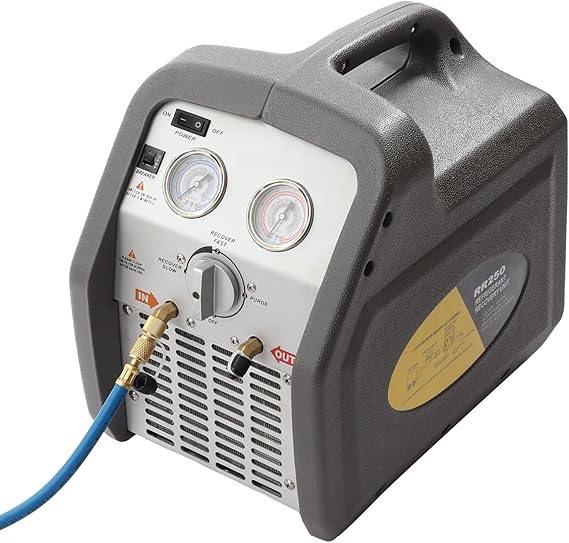
Generic Portable 1/2 HP Refrigerant Recovery Machine (110V 60Hz) – Refrigerant Recovery
Category: Refrigerant Recovery
Check Current PriceIntro:
A portable 1/2 HP unit often proves best for mobile HVAC technicians. It balances weight, power, and 110V convenience for van-to-site work. This guide compares Refrigerant Recovery choices and on-road practicalities.
Portable 1/2 HP Refrigerant Recovery Machine for Mobile Technicians
The Generic Portable 1/2 HP Refrigerant Recovery Machine (110V 60Hz) – Refrigerant Recovery offers a clear balance of portability and power for van-based service. This compact 1/2 HP unit supports both liquid and vapor recovery, which reduces the need to carry two tools. The listed 558 psi maximum pressure and 110V power make this model suitable for most residential and light commercial jobs. Owners receive an entry price point of 299.99 USD, which matches many field-first purchases.
- Horsepower: 1/2 HP
- Voltage: 110V
- Frequency: 60Hz
- Max pressure: 558 psi
- Handles: liquid refrigerant and vapor refrigerant
- Model number: 1/2 HP Refrigerant Recovery Machine
Technicians should note missing specifications before buying, because several critical details remain absent from the listing. The seller omits recovery rate, weight, and hose fittings, which affect van layout and job speed. Also missing are warranty terms, exact dimensions, and safety certifications, which influence compliance and long-term cost. Ask the retailer for those data points before purchase to avoid surprises on-site.
How does recovery speed affect on-site HVAC repair?
Generic 1/2 HP Refrigerant Recovery Machine reduces evacuation time, shortening typical service calls. Faster extraction decreases shop downtime and increases daily job count for mobile techs. A moderate recovery speed means you can reach required vacuum levels without overloading small compressors. If you need concrete numbers, request the vendor recovery rate in pounds per minute for R-134a or R-410A. Knowing pounds-per-minute helps plan job time and estimate labor costs precisely.
Choosing a compact recovery unit for van-to-site HVAC service
Generic 1/2 HP Refrigerant Recovery Machine provides practical tradeoffs for technicians deciding van tools. The unit s electric 110V operation lets technicians plug into a generator or workshop outlet, reducing battery adaptations. Compact machines like this favor lower weight and simpler mounting, but you should confirm exact weight and hose connectors before installation. Compare this machine to heavier 1 HP models when you expect frequent commercial recoveries that require higher throughput.
When selecting a compact unit, prioritize hose type, fitting compatibility, and serviceability, because these factors affect first-time buyers most. The product listing lacks a compatibility list and hose fittings, so bring universal adapters such as 1/4-inch flare and 5/16-inch SAE when testing. Also consider protection plans: the Asurion option covers repairs, shipping, and many accidents, which helps reduce replacement downtime. Balance initial cost against estimated replacement and repair likelihood for mobile work.
What maintenance schedule keeps a recovery unit reliable?
Generic Refrigerant Recovery Machine (HVAC/AC) requires routine filter and oil checks to remain reliable. Change inlet filters after heavy oily-system work and check compressor oil monthly when used daily. Clean externals and verify electrical plugs and cords before each job to prevent service interruptions. Keep a spare set of inlet screens and a field oil bottle sized to the model s compressor for quick field service. Following a simple checklist reduces failures and maintains consistent recovery performance.
Portable 1/2 HP Refrigerant Recovery Machine: Field Performance
1/2 HP Refrigerant Recovery Machine for HVAC/AC Refrigerant Recovery delivers field-appropriate capability when used within its limits. Real-world performance depends on refrigerant type, ambient temperature, and whether you pull vapor or liquid recovery. The lack of published recovery rate means you must measure pounds-per-minute on your first jobs or request manufacturer test data. Expect modest throughput versus 1 HP units, but benefit from lighter weight and 110V convenience for single-tech vans.
The reviewed Generic 1/2 HP Refrigerant Recovery Machine (110V, HVAC/AC) fits many residential routes but has limitations that buyers must manage. Because the product listing lacks safety certifications and installation requirements, verify UL or CE marks and proper grounding before daily use. If manufacturer warranty terms remain unavailable, consider purchasing the Asurion protection plan within 30 days to cover malfunctions and accidental damage. Plan vehicle mounting, storage, and hose management around the unit s unknown dimensions and weight to maintain safe handling.
How do I troubleshoot low vacuum or compressor stalls?
Portable refrigerant recovery unit 110V, liquid & vapor capable, 558psi diagnoses low vacuum by checking leaks, valves, and inlet filter. Start with a soap-bubble or electronic leak detector on service fittings, then confirm both service valves fully open. Inspect the inlet filter for oil and debris, which often restricts flow and stalls compressors. Test the compressor power draw and listen for abnormal sounds indicating internal wear or shorting. If stalls persist, switch to a secondary recovery pump to finish evacuation and send the unit for shop repair.
Follow-up questions technicians commonly search next
What hoses and adapters do I need for mixed-brand systems? Use SAE 5/16-inch and 1/4-inch flare adapters and carry O-ring kits. Which refrigerants does the unit support safely? The machine handles liquid and vapor modes, but confirm compatibility with each refrigerant type before use. How long will a typical residential recovery take? Without a published recovery rate, measure an initial job; expect 20-45 minutes for a typical 2-4 pound charge on a 1/2 HP unit.