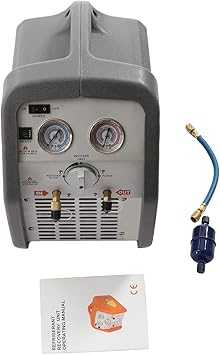
HVAC 3/4HP Single-Cylinder Refrigerant Recovery Machine (558psi, 0.25 kg/min) Refrigerant Recovery
Category: Refrigerant Recovery
Check Current PriceYes the HVAC 3/4HP Single-Cylinder Refrigerant Recovery Machine fits mobile technicians best.
It balances a 0.25 kg/min gaseous recovery rate with a 558 psi maximum pressure rating.
This Refrigerant Recovery product works well for van mounting and on-site vehicle AC service.
HVAC 3/4HP Single-Cylinder Refrigerant Recovery Machine in mobile vans
HVAC 3/4HP Single-Cylinder Refrigerant Recovery Machine (558psi, 0.25 kg/min) installs cleanly on van shelves for field Refrigerant Recovery.
The single-cylinder layout saves space and cuts weight compared with twin compressors, aiding mobile workflow and storage.
Key installation points, mounting tips, and performance numbers follow so technicians can plan van layout efficiently.
- Motor power: 3/4HP
- Maximum pressure: 558 psi
- Gaseous recovery rate: 0.25 kg/min
- Additional rate listing: 1.8 kg/mi (as provided)
- Price: 349 USD
How reliably does this recovery unit perform on vehicle AC systems?
HVAC 3/4HP (558psi) delivers 0.25 kg/min gaseous recovery.
Most passenger cars contain 0.45-0.7 kg refrigerant, so the gaseous-only rate implies roughly two to three minutes of active recovery when vapor only is present.
Technicians often encounter liquid refrigerant pockets; vaporizing liquid with the system running reduces recovery time variability.
This performance suits mobile techs who need predictable Refrigerant Recovery cycles and consistent job timing.
Portability and workflow tips for mobile refrigerant recovery
HVAC 3/4HP Single-Cylinder Refrigerant Recovery Machine fits compact van shelves and simplifies tool consolidation for mobile service.
Store the machine near the van s power inlet and secure it with rated straps or a small custom rack to reduce vibration damage.
Because this listing lacks electrical-spec and inlet connection details, confirm voltage, plug type, and hose fittings with the seller before purchase.
Clever layout saves time: keep manifold gauges, a calibrated scale, and quick-connect hoses within arm s reach.
What safety and regulatory checks should mobile techs perform daily?
HVAC Refrigerant Recovery Unit prevents illegal venting when technicians document recovered weights and follow EPA protocols.
Start by calibrating your scale and zeroing it before each job to record recovered refrigerant mass accurately for regulatory compliance.
Verify that manifold gauges read correctly, leak detectors are charged and functioning, and recovery hoses use rated fittings.
Also confirm technician EPA Section 608 certification, and verify refrigerant compatibility because the product listing lacks explicit compatibility data.
HVAC 3/4HP Single-Cylinder Refrigerant Recovery Machine maintenance
HVAC 3/4HP Single-Cylinder Refrigerant Recovery Machine requires routine checks for valves, suction filters, and electrical connections.
Follow a monthly inspection cadence: check compressor mounting bolts, clean external vents, and observe motor run temperatures during use.
Purchase the available protection plan (Amazon/Asurion) for no-cost repairs and shipping coverage when eligible, as noted in the product summary.
Also request missing documentation from sellers: electrical specifications, inlet/outlet connection details, dimensions, weight, and certification records.
How can I troubleshoot electrical faults and motor issues in the field?
3/4HP Refrigerant Recovery Machine restarts after replacing a blown inline fuse or resetting a tripped GFCI correctly.
Use a multimeter to check inverter output voltage and ground continuity before condemning the motor or compressor windings.
If the motor hums but fails to spin, suspect a seized compressor, bad start capacitor, or mechanical binding rather than simple electrical faults.
Carry spare fuses, a compact inverter tester, a clamp meter, and basic hand tools to isolate and resolve most field faults.
Follow-up questions mobile technicians commonly search next
How long does full recovery take for typical vehicles and trucks? Most compact cars hold 0.45-0.7 kg refrigerant, so at 0.25 kg/min gaseous rate expect two to three minutes of active recovery when vaporized; larger truck systems or mixed liquid/gas loads can take significantly longer and require staged vaporization.
Which refrigerants will this machine handle safely? The product listing omits compatibility details, so confirm R134a, R1234yf, or R410A compatibility with the seller before use to avoid seal or lubricant mismatch risks.
What power and electrical accessories do I need to operate this unit in a van? The listing lacks electrical specs, so plan for a dedicated 12V/120V inverter option, GFCI protection, and a fused supply; confirm voltage, current draw, and plug type before finalizing your van power setup.
Key missing specifications you must verify pre-purchase
- Electrical requirements: voltage, current draw, and plug type
- Inlet/outlet connection types and hose thread sizes
- Dimensions and weight for accurate van shelf planning
- Official refrigerant compatibility and safety certifications
- Full user manual and model or SKU numbers for parts ordering
Before you buy, request the missing specifications from the seller and compare alternatives like the Robinair RG3 or Fieldpiece ERV4 for certified specs and support.