
Refrigerant Recovery Pro is reader-supported: some links on this page are affiliate links, and as an Amazon Associate Refrigerant Recovery Pro earns from qualifying purchases at no extra cost to you. Learn more.
Pool heat exchanger warranties typically span a range of 1 to 5 years, though specific durations vary by manufacturer and component type. The most common reason a claim in this category is refused is the presence of mineral scaling or calcification on the heat exchange surfaces, which is often classified as a maintenance issue rather than a manufacturing defect. If you plan to install a new unit, you should verify the specific warranty duration for the heat exchanger core versus the housing or pump components, as these often have different coverage limits. You should measure your water’s hardness and mineral content before purchase to determine if your specific water chemistry will accelerate wear on the heat transfer surfaces.
What does a pool heat exchanger warranty typically cover?
A pool heat exchanger warranty typically covers manufacturing defects in the materials and assembly of the unit during the specified period. This usually applies to the integrity of the welds, the thickness of the metal plates, and the structural components of the housing. Because these units are designed to withstand high temperatures and pressurized water, the warranty ensures the product performs its primary function of heat transfer without structural failure. If a component fails due to a material flaw, the manufacturer typically replaces the part or the entire unit.
Manufacturing flaws versus chemical reactions in pool heat exchanger coverage
Warranty coverage often excludes any damage caused by the environment in which the pool is located or by the chemical composition of the water. Because pool water is a chemically active environment, manufacturers distinguish between a failure of the metal itself and a failure caused by the water’s chemistry. If the heat exchanger fails because of a manufacturing flaw, it is covered; if it fails because of a chemical reaction, it is not.
- Manufacturing defects in the heat exchanger core
- Structural failures of the housing or mounting brackets
- Welding flaws in the heat exchange plates
- Material degradation not caused by chemical exposure
How operational and maintenance issues affect heat exchanger warranty claims
Standard exclusions apply to nearly all pool heat exchanger warranties, particularly regarding the internal surfaces of the heat exchanger. Because these units are subject to constant flow, the warranty usually does not cover issues that arise from the way the system is operated or maintained. If a claim is denied because of these factors, the cost of replacing the core can be significant, often requiring the purchase of a new unit entirely.
- Mineral scaling and calcification on heat exchange surfaces
- Corrosion caused by improper chemical balancing
- Damage from freezing temperatures in unheated lines
- Wear and tear from high-pressure operation
- Damage caused by debris or large particles entering the flow
Examples from this category, each with its own review here
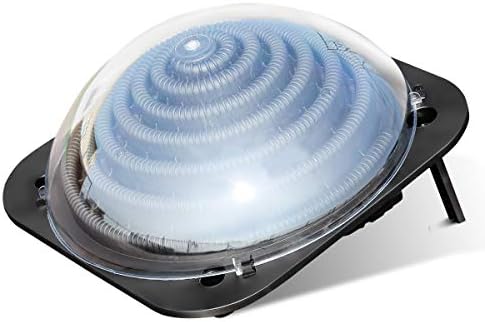
3 options shown here, $129.99 to $3749, each with its own full review behind its name.


How does the purchase source affect a pool heat exchanger warranty?
The source from which you buy a pool heat exchanger determines the chain of responsibility and the ease of filing a claim. If you buy a unit directly from the manufacturer, you deal with the source of the warranty, which often provides the most direct path to a replacement. In this scenario, the manufacturer confirms the specifications and handles the claim directly with the factory. However, the manufacturer may still require proof of purchase and proof that the unit was installed by a professional.
Support and return policies when buying from an authorised retailer
Purchasing through an authorised retailer provides a middle layer of protection where the retailer may offer their own support or help facilitate the manufacturer’s claim. This is a common route for residential owners who prefer local support. The retailer acts as the intermediary, but they may have different return policies than the manufacturer’s warranty, meaning you might have to ship the heavy unit back to the retailer first.
Risks of limited returns and lack of support from marketplace sellers
A marketplace seller, such as those found on large third-party retail platforms, introduces the most complexity for warranty claims. These sellers often do not have a direct relationship with the manufacturer and may only offer a limited return window rather than a long-term warranty. If the marketplace seller disappears or goes out of business, you may find yourself with a faulty unit and no clear path to a replacement. In these cases, you may have to pursue the manufacturer directly, which can be difficult without a verified, direct invoice from the factory.
You can find a detailed spec breakdown in our full review of the Raypak 336.
Risks of no official manufacturer warranty from grey-market importers
Buying from an importer or grey-market seller means the product was not intended for your specific region or distribution network. These units often come with no official manufacturer warranty at all, or a warranty that is not recognised by the manufacturer in your country. If a component fails, the importer is your only point of contact, and they may not have the inventory or authority to provide a replacement. This represents a significant risk where a failure could result in the total loss of the investment.
Short duration and limited coverage for refurbished heat exchanger units
Refurbished or open-box sellers typically offer a much shorter and more limited warranty than a new unit. These items are often sold with a 30-day to 90-day limited warranty that covers only major functional failures. Because the unit has been previously handled or installed, the risk of pre-existing wear is higher, and the warranty period is rarely sufficient to cover the long-term life of a heat exchanger. You should verify the specific duration of a refurbished warranty before purchase, as it will likely be much shorter than the standard 1 to 5 years.
What actions void a pool heat exchanger warranty?
Actions that void a pool heat exchanger warranty usually involve the failure to maintain the correct operating environment or the use of the unit outside of its design parameters. Because these units are engineered for specific flow rates and temperatures, exceeding those limits can lead to rapid degradation that is not covered by the manufacturer. If a unit is used in a way that causes it to fail prematurely, the warranty is typically voided instantly.
How mineral scale buildup from poor water chemistry voids warranties
A primary way to void the warranty is through improper chemical maintenance of the pool water. If the pH or calcium levels are not balanced, minerals will deposit on the heat exchange surfaces. This is similar to how a clogged pipe prevents water from moving; scale buildup creates a physical barrier that reduces heat transfer efficiency. Once this scale becomes thick enough to cause a failure, the manufacturer will classify it as a maintenance failure rather than a manufacturing defect.
Damage from freezing temperatures and incorrect installation locations
Incorrect installation is another common reason for a voided claim. This includes installing the unit in a location where it is subject to extreme environmental stress, such as direct exposure to freezing temperatures without proper insulation. If the water inside the heat exchanger freezes and expands, it can crack the internal plates. Because this is a result of installation choice rather than a manufacturing flaw, the warranty will not cover the damage.
How modifying the plumbing or unit configuration voids coverage
Modifying the unit or the plumbing system can also void coverage. If a buyer attempts to bypass safety features, modify the housing, or install non-standard fittings that lead to leaks, the manufacturer will refuse the claim. The warranty is only valid for the unit in its original, unmodified configuration as specified in the technical documentation. Any alterations to the flow path or the way the unit is integrated into the pool’s plumbing system can be cited as a reason for denial.
What should you do before buying to ensure a warranty claim works?
What you should do before buying a pool heat exchanger to ensure a warranty claim works involves documenting the condition of the unit and your local water chemistry. Because warranty claims rely on proving that the failure was not caused by your own maintenance, having a baseline of data is essential. You should begin by testing your water’s mineral content and recording the results before the new unit is even installed.
Our data-driven analysis is available in our full review of the Raypak 266.
Importance of recording initial water conditions to protect warranty claims
A buyer might order a unit, install it, and then find that the warranty is denied because they didn’t record the initial water conditions. If you can prove the water was balanced at the time of installation, it is much harder for a manufacturer to claim that your maintenance caused the failure. This documentation serves as a baseline for the life of the product.
- Request a written warranty summary from the seller before purchase
- Record the date of purchase and the serial number of the unit
- Document the water’s calcium and pH levels on the day of installation
- Keep the original packaging and all included installation manuals
- Take a photo of the unit’s serial number and the condition of the plates upon arrival
Benefits of professional installation for maintaining a valid heat exchanger warranty
Before the installation is complete, you should confirm with a qualified installer that the unit is being mounted according to the manufacturer’s specific requirements. Having a professional perform the installation provides a layer of protection, as many warranties require professional installation to remain valid. If a claim arises later, having a professional’s invoice and a record of the correct installation can help resolve disputes with the manufacturer.
How following a prescribed maintenance schedule strengthens warranty claims
Finally, you should confirm the specific requirements for the heat exchanger’s maintenance schedule. Knowing how often the manufacturer recommends flushing the system or checking for scale allows you to perform those tasks proactively. If you can demonstrate that you followed the prescribed maintenance schedule, your claim for a manufacturing defect is much stronger. If you skip these steps, you risk the warranty being voided due to neglect.
When is an extended warranty worth it for a pool heat exchanger?
An extended warranty for a pool heat exchanger is worth it only if the extension covers the specific components most prone to failure, such as the heat exchanger core. Because the primary risk in this category is mineral buildup, an extended warranty is only valuable if it explicitly includes coverage for scale-related issues or if it provides a low-cost replacement for the core. If the extended warranty only covers the housing or the outer shell, it offers little protection for the most expensive part of the system.
The cost of getting this wrong is the expense of replacing a seized or scaled heat exchanger, which can cost hundreds of dollars depending on the size of the unit. If you choose a warranty that excludes the core, you may find yourself paying for a new heat exchanger even if the rest of the unit remains functional.
A buyer first identifies the cost of a replacement core for their specific model. They then compare that cost against the price of an extended warranty offered by the retailer. If the warranty covers the core and costs a small fraction of that replacement price, it provides a safety net. If the warranty excludes the core or has a high deductible, the buyer is better off setting aside a small reserve of funds for future maintenance or replacement.
In most cases, a standard manufacturer’s warranty is sufficient if you maintain the water chemistry correctly. An extended warranty becomes a logical choice only when you live in an area with extremely hard water where mineral buildup is inevitable and rapid. In those specific conditions, the protection against a failed heat exchanger core provides a measurable return on investment.
The other pool thermal exchanger guides we have published
- Which Solar Pool Heater Panels with Roof Rack Are Best?
- Choosing the Best Solar Swimming Pool Heaters for Above Ground Pools
- The Pool Heat Pumps That Work Best for 3000 Gallon Pools
- Which Propane Pool and Spa Heater Is Best?
- Best Natural Gas Pool Heaters
- Instant Heating Electric Tankless Pool Heaters Compared