
Refrigerant Recovery Pro is reader-supported: some links on this page are affiliate links, and as an Amazon Associate Refrigerant Recovery Pro earns from qualifying purchases at no extra cost to you. Learn more.
Pool heat exchangers are devices that transfer thermal energy from a heat source to pool water using a heat exchanger core. You need a system that matches your pool’s volume and desired temperature rise, which typically requires a heating capacity of at least 150,000 BTU for a standard 20,000-gallon pool. Before ordering, you must measure your available electrical voltage and confirm if your fuel infrastructure supports natural gas or propane.
Heating Capacity and Power Ratings
Heating capacity measures the total amount of heat energy transferred to the water per unit of time. While many listings use this to describe the unit’s strength, it does not determine the final temperature of the pool or the flow rate of the water. A higher BTU rating allows for faster heating during colder periods.
For those preferring liquid fuel, we help you find the best propane pool and spa heater available.
- Heating Capacity – This is the primary measure of thermal output, with 18 of the 51 listings we screened stating a figure between 12,000 and 406,000 BTU. A higher number provides more heat energy per hour.
- Power Rating – This measures the rate of electrical energy consumption, with 8 of the 51 listings stating a figure between 3 and 18kW. For electric systems, a higher power rating indicates a faster heating rate.
- Voltage – This is the electrical potential difference required to run the system, with 10 of the 51 listings stating a range from 110 to 240V. You must match this to your home’s available power supply to avoid electrical failure.
Where these choices show up in our reviews
Each of the 3 shown here has its own full review on this site; they run from $129.99 to $279.99.

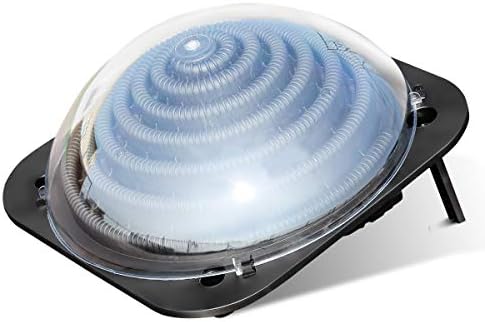

How material and construction standards affect heat exchanger durability
The material of the heat exchanger core determines how the unit handles corrosion and heat transfer efficiency over time. Choosing the right material depends on your water chemistry and the longevity you expect from the hardware.
Rapid heating options are available if you view the best electric tankless pool heater comparison.
- Titanium – This is a high-performance metal used in 8 of the 51 listings to create corrosion-resistant heat transfer surfaces. It is the industrial standard for high-efficiency systems.
- Stainless Steel – This material appears in 4 of the 51 listings and provides a durable surface for heat exchange. It is a common middle-ground for durability and cost.
- Polypropylene – This plastic material is used in 9 of the 51 listings, typically in solar-based systems. It is lightweight and resistant to many chemicals but has lower thermal conductivity than metals.
- Cupro Nickel – This alloy appears in 2 of the 51 listings and offers a balance of corrosion resistance and thermal efficiency.
- Polyester – This material is used in 1 of the 51 listings, primarily for specific solar collection applications.
- HDPE, PC, or Aluminum – These materials appear in 1 of the 51 listings, often used in specific solar panel configurations.
Solar Thermal vs. Heat Pump Systems
Solar thermal and heat pump systems represent different methods of moving heat into your pool water. The choice depends on whether you want to capture passive energy from the sun or actively move heat using a refrigerant cycle.
Transportable solutions are easier to manage when you find the best solar pool heater panels with roof rack.
- Solar Thermal – This method uses passive solar collection to heat water. It relies on the sun’s position and intensity to provide heat.
- Heat Pump – This method uses active refrigerant-based heat exchange. It can provide a more consistent temperature by extracting heat from the air or water regardless of direct sunlight.
- Number of Panels – For solar systems, this indicates the physical surface area available to absorb sunlight. 6 of the 51 listings specify a count, with a median of 2 panels.
Fuel Types and Pool Compatibility
Fuel types and pool compatibility determine if the hardware can physically connect to your existing infrastructure. You must ensure the fuel source matches the burner design and the pool type matches the plumbing layout.
- Propane vs. Natural Gas – This determines the fuel infrastructure requirements and burner design for gas heaters. Natural gas requires a pipeline connection, while propane often uses a tank.
- Electricity – This is the power source for 16 of the 51 listings, requiring a dedicated electrical circuit.
- Aboveground Compatibility – This indicates the unit is designed for the specific plumbing and space constraints of aboveground pools. 31 of the 51 listings state this compatibility.
- Inground Compatibility – This indicates the unit is designed for the plumbing and pressure requirements of inground pools. 3 of the 51 listings state this compatibility.
Required accessories and components for pool heat exchanger installation
Several components are required to move water through the system and monitor safety. You must ensure these accessories match the diameter and pressure ratings of your existing pool lines.
We provide a detailed breakdown in our full review of the Raypak 266.
- Circulation Pump – This moves water through the heating system to ensure consistent temperature. The pump must have a flow rate that matches the heat exchanger‘s requirements.
- Flow Control Valve – This regulates the volume of water passing through the heating unit. It allows you to balance the flow to prevent the unit from overheating.
- Expansion Tank – This absorbs pressure changes caused by water temperature fluctuations. It prevents the pipes from bursting when water expands as it heats up.
- Pressure Gauge – This monitors system pressure to prevent pipe bursts or leaks. It is a critical safety tool for any pressurized heating loop.
- PVC Bonding Coupler – This connects the heater to the pool plumbing lines. You must match the diameter of the coupler to your pool’s piping.
How advanced features and self-modulating technology improve efficiency
Advanced features like self-modulating technology adjust the heater’s output based on real-time conditions. These features can improve efficiency by preventing the system from over-heating the water.
For a DIY solar setup, look at our full review of the Doheny’s 6947 Collector.
- Self-Modulating Technology – This allows the system to adjust its output automatically. 7 of the 51 listings state this technology is included.
- Mounting Hardware Included – This indicates if the brackets and bolts needed to secure the unit are in the box. 12 of the 51 listings state it is included, while 3 state it is absent.
Why heating capacity and power ratings are commonly confused
Buyers often confuse heating capacity with power rating or solar area because they all involve numbers on a spec sheet. However, these figures measure completely different physical properties.
Differences between heating capacity, power rating, and solar area
Heating capacity measures the output of heat energy, whereas power rating measures the input of electricity or gas. A high power rating does not always mean a high heating capacity if the conversion efficiency is low. Similarly, solar collection area measures the size of the panels, not the amount of heat they produce; a large area with little sun will produce less heat than a smaller area in direct sunlight.
Portable solar options are covered in our full review of the Papa Bear Solar Heater.
Functional differences between a heat exchanger core and a circulation pump
Another common confusion is between the heat exchanger core and the circulation pump. The core is the stationary part where the heat transfer happens, while the pump is the moving part that provides the pressure to get the water to that core. Without the pump, the heat exchanger remains idle; without the core, the pump simply moves cold water around the pool.
Browse our other pool thermal exchanger pages
- Choosing the Best Solar Swimming Pool Heaters for Above Ground Pools
- The Pool Heat Pumps That Work Best for 3000 Gallon Pools
- Which Propane Pool and Spa Heater Is Best?
- Best Natural Gas Pool Heaters
- Instant Heating Electric Tankless Pool Heaters Compared
- Choosing the Best Solar Dome Swimming Pool Heater